
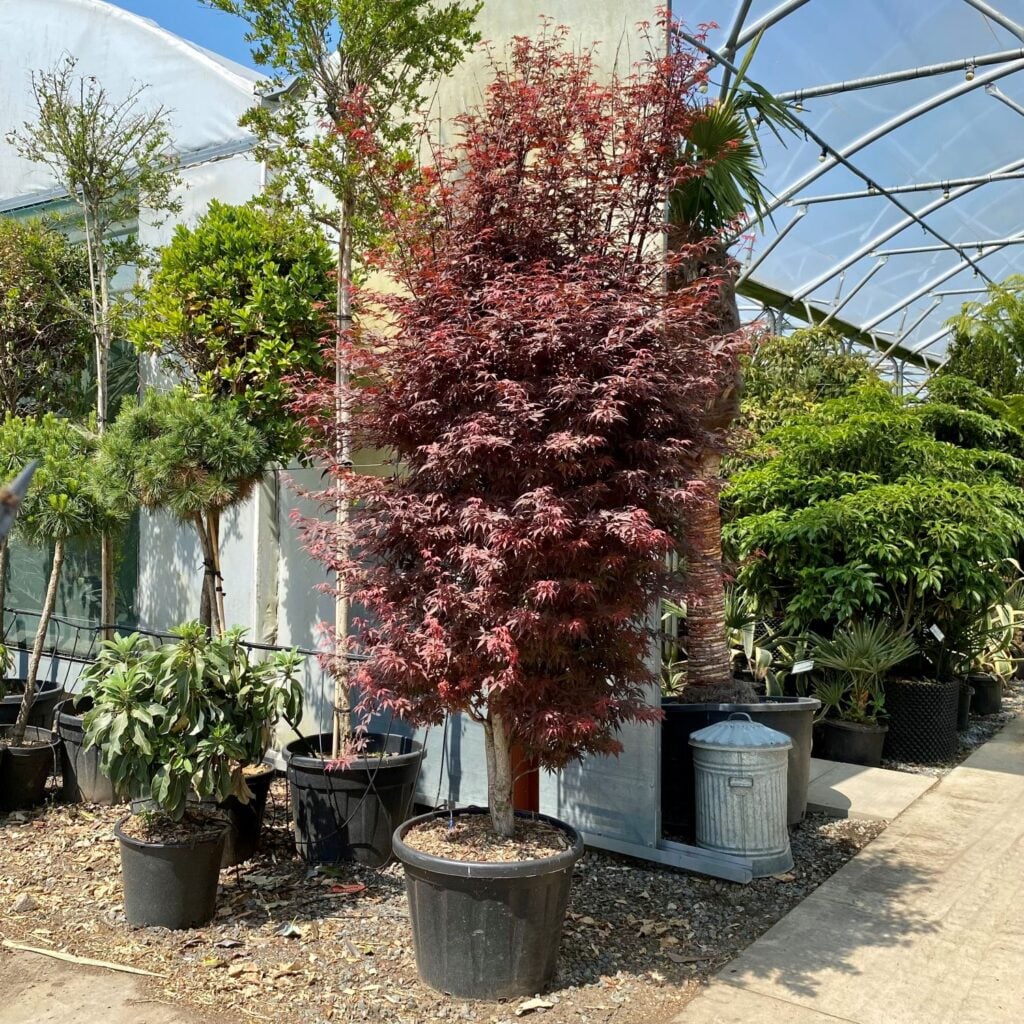
Acer palmatum ‘Skeeters Broom’
From £156.00 incl. VAT
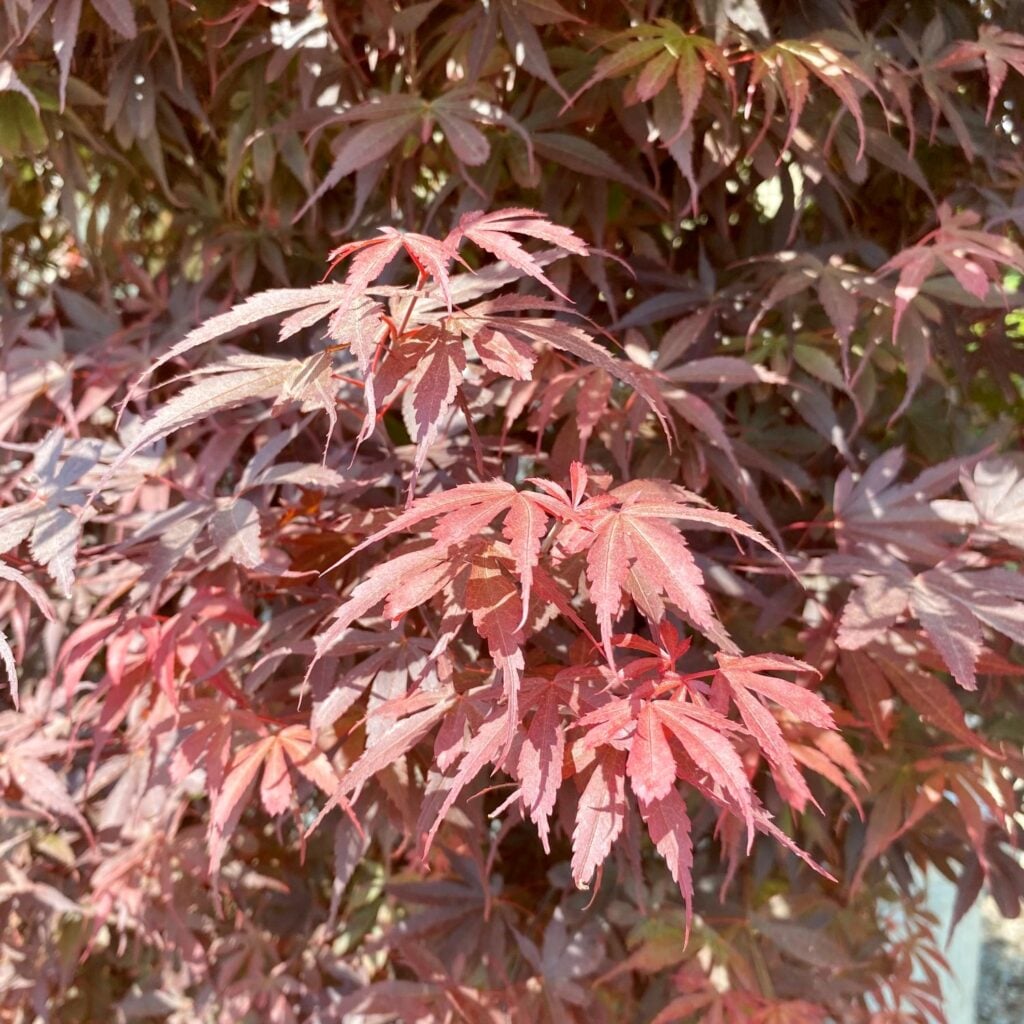
Acer palmatum ‘Skeeters Broom’ at Architectural Plants has a narrow, upright habit. The leaves emerge bright red maturing to a deep purple-red in summer before turning ruby red in autumn. Ultimate height and spread in 10-20 years 1.5-2.5m.
Best grown with their feet in the shade and head in the sun in well drained, moist, neutral to acid soil, protected from cold and drying winds. Prune lightly for health but never when the sap is rising in the spring. ‘By cuttings/grafted’.

Hardiness level Green
Acer palmatum ‘Skeeter’s Broom’ was a mutation that was spotted some 50 years ago, by Edward ‘Skeeter’ Rodd in his Raraflora Nursery in Pennsylvania. A specimen of Acer palmatum ‘Bloodgood’ had developed a witches’-broom growth with particularly long leaves. Skeeter Rodd collected this and propagated from it, so we are now able to enjoy this slender variety that rarely exceeds 2m in height.
Like on its parent plant the 5 or 7 fingered leaves are deeply lobed, emerging in the spring as a vivid red colour, maturing in the summer to a deep crimson. Delightfully, the colours of this lovely tree don’t fade or become bronzy as the summer season progresses. Then finally in the autumn this brilliant tree lights up with intense crimson and bright scarlet foliage.
Acers are widespread across the Japanese Islands and occur over a huge range of soils and conditions. They tend not to be gross feeders and the use of a balanced rose fertiliser or slow-release pellets applied lightly in spring seems to be sufficient. They have shallow and fibrous root balls so are pretty good in pots.
Acers can be pruned and it is better to start shaping the plant while young as the smaller the pruning wound the sooner it heals. Larger stems should be pruned when the trees are dormant well before the sap rises in the spring. With the weeping dissectum varieties, sometimes judicious thinning of the inside growth can both allow better display of the branches and discourage insect and disease problems through congestion. Good hygiene of tools and equipment is always essential to avoid spread of disease.
IMPORTANT NOTE:
Photos represent the plants at their different stages. Your plant may arrive with new/loose roots, having been recently pruned or cut to enhance it's growth.
Additional Information |
|
|---|---|
| Size | |
| Continent of Origin | |
| Features | Interesting leaf colour, Interesting Leaf Shape, Soft & Fluffy |
| Plant Type | |
| Tree Size | |
| Situation | |
| Soil Type | Chalk, Clay, Dry / Well Drained, Loam, Moist / Well Drained, Sandy |
| Specialist Plants | |
| Light | |
| Hardiness | |
Relatables
-
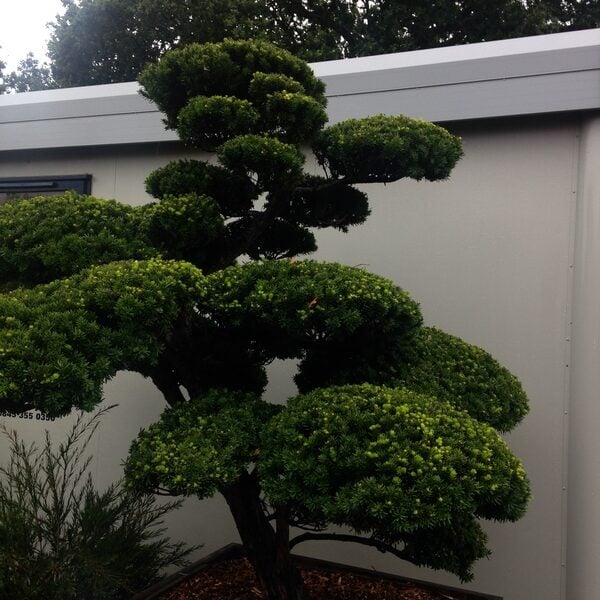
Taxus cuspidata var. intermedia ‘Niwaki’ Japanese Yew
-

Sasa palmata
-
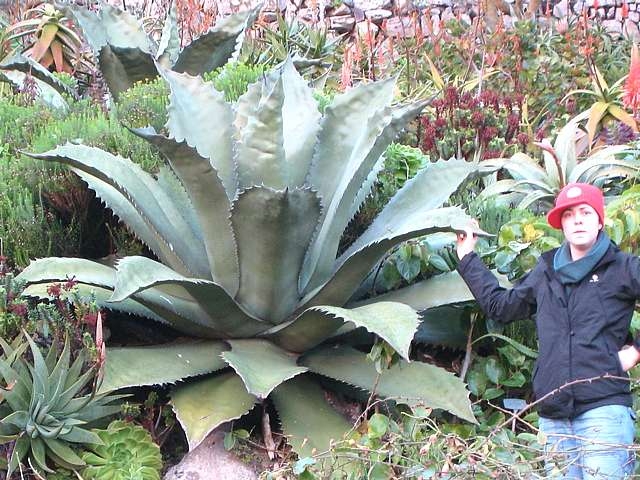
Agave salmiana ferox Vlad the Impaler
-
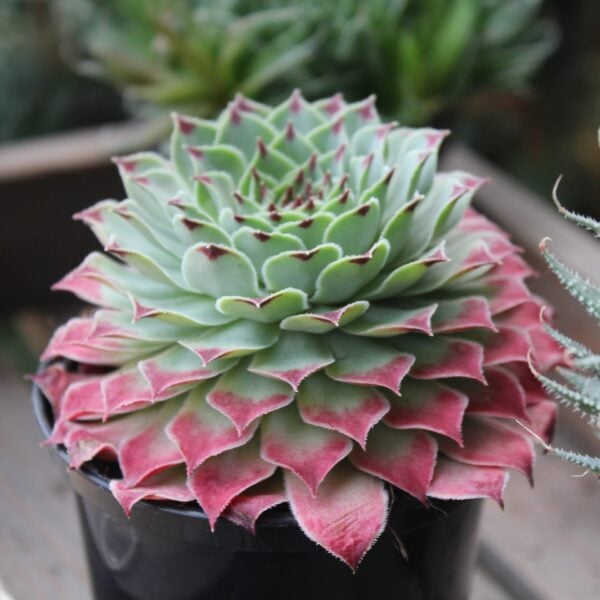
Sempervivum calcereum House Leek
-

Cordyline indivisa Mountain Cabbage Tree
-

Catalpa ‘Bungei’ Dwarf Indian Bean Tree
-

Taxus baccata fastigiata Irish Yew
-
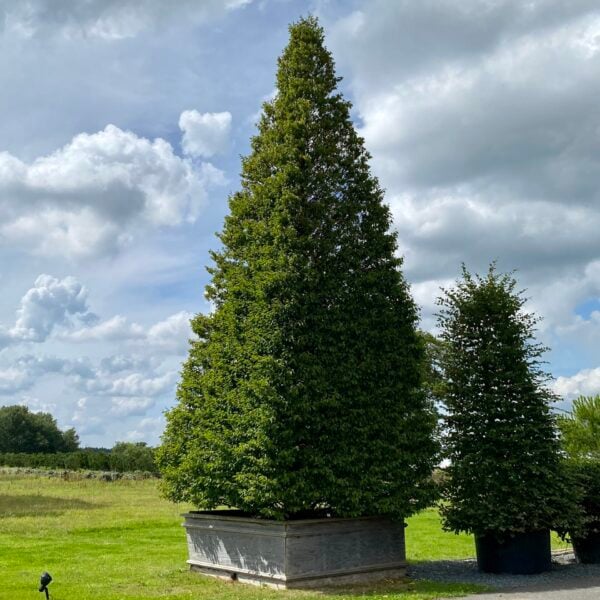
Carpinus betulus fastigiata Fastigiate Hornbeam