
Phillyrea angustifolia – Balls (Narrow-leafed Mock Privet)
From 42.50 incl. VAT
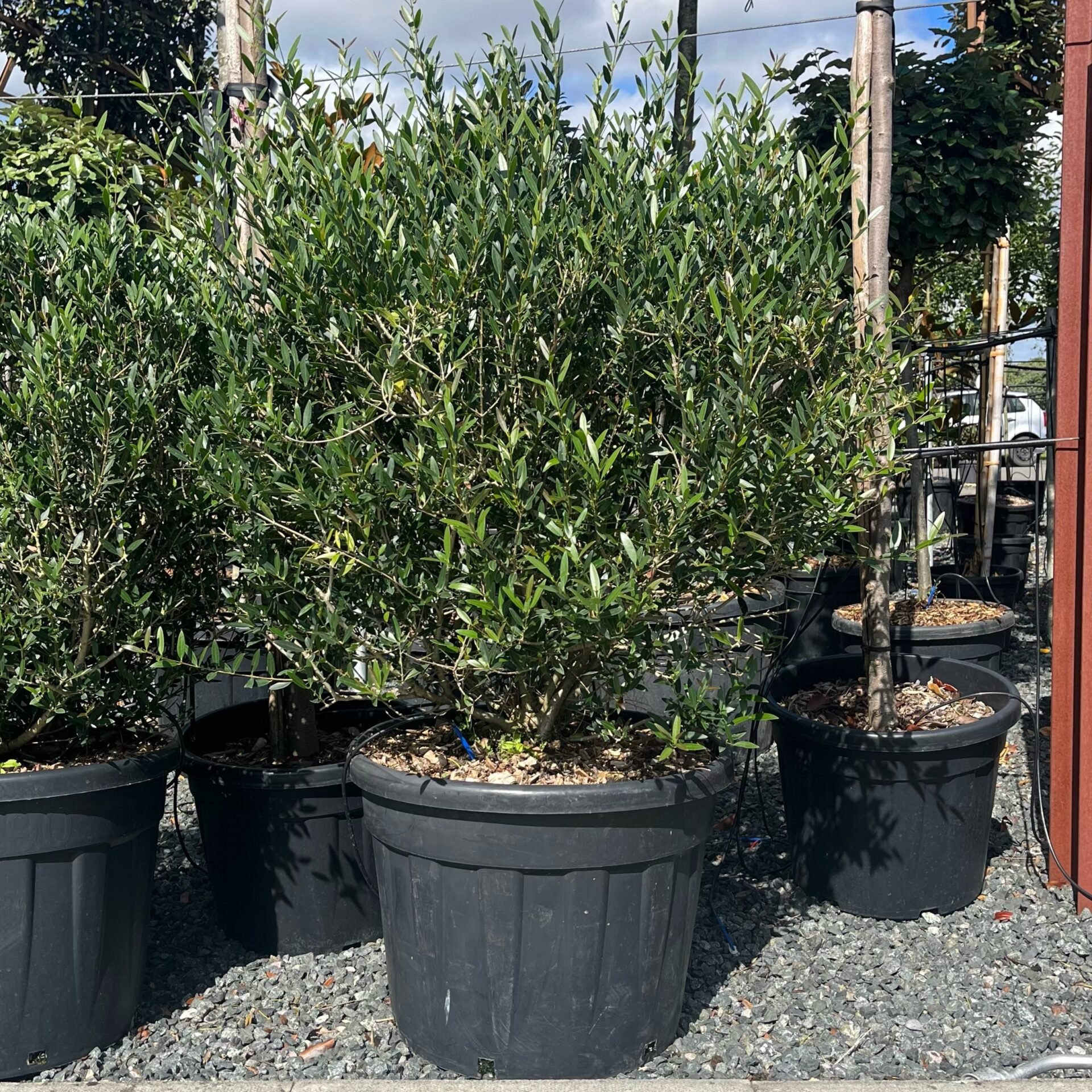
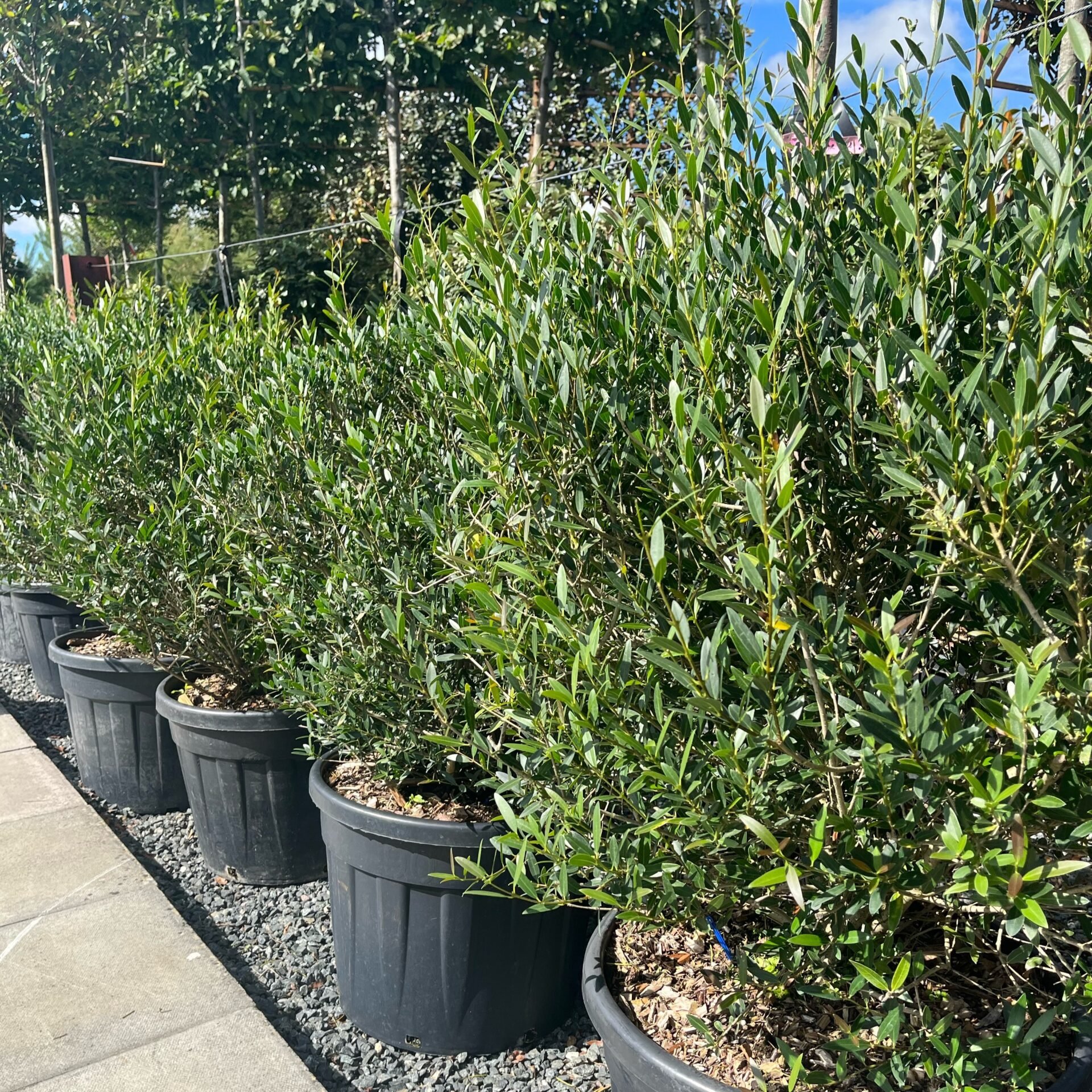
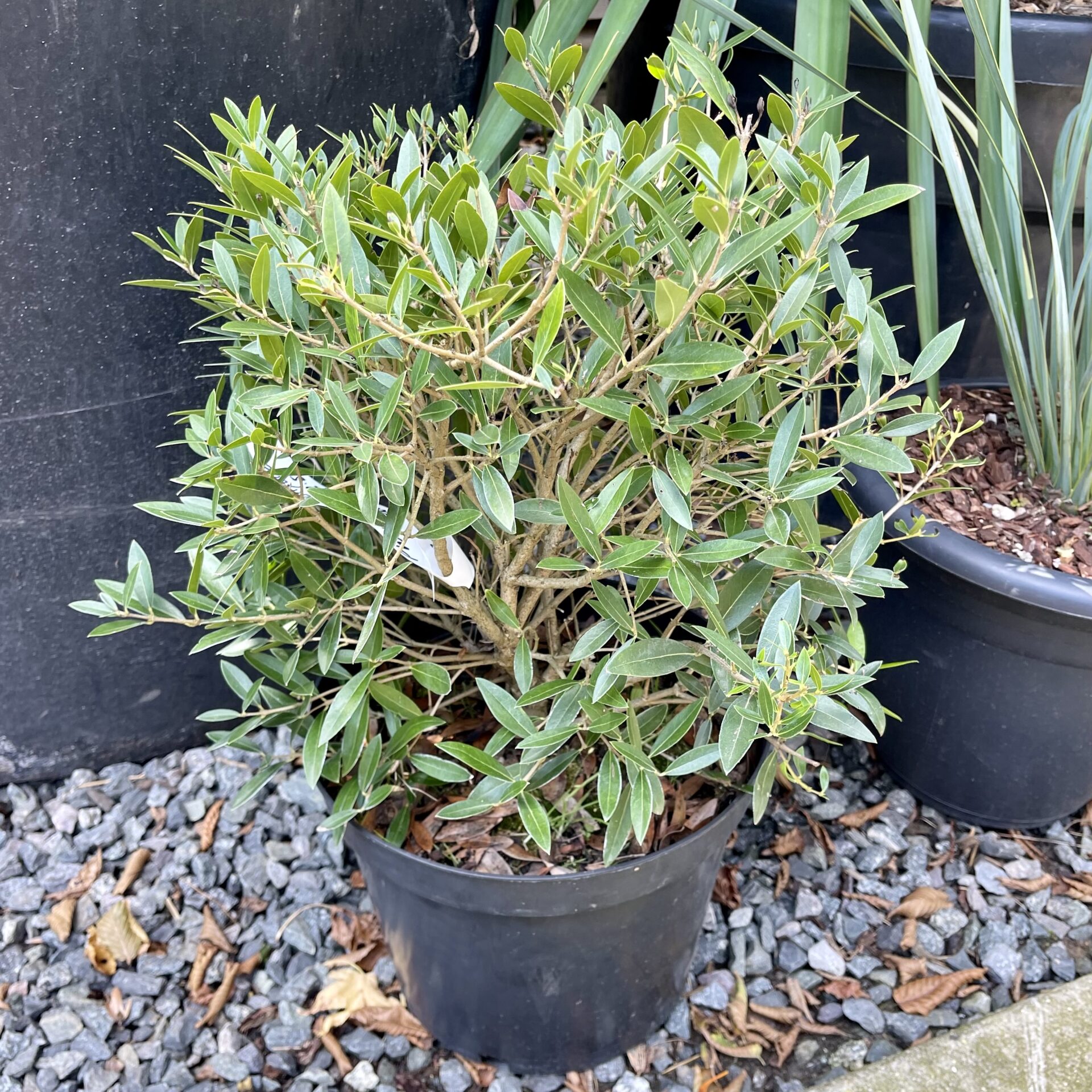
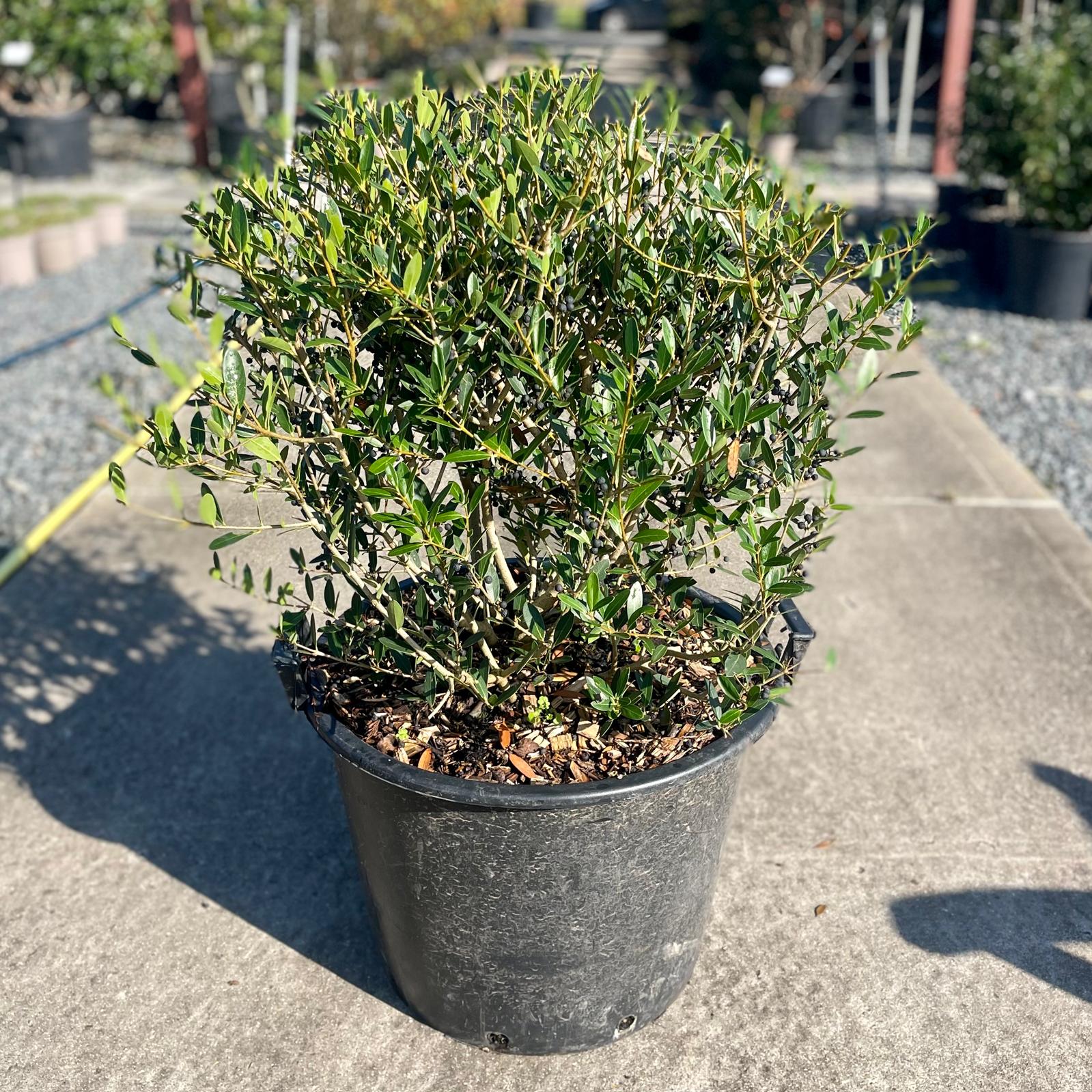
Phillyrea angustifolia is an evergreen shrub that grows to around 10ft tall. Narrow, dark green leaves to 6cm long, and small clusters of fragrant flowers in late spring and early summer. Looks good clipped into blobs.

Hardiness level Green
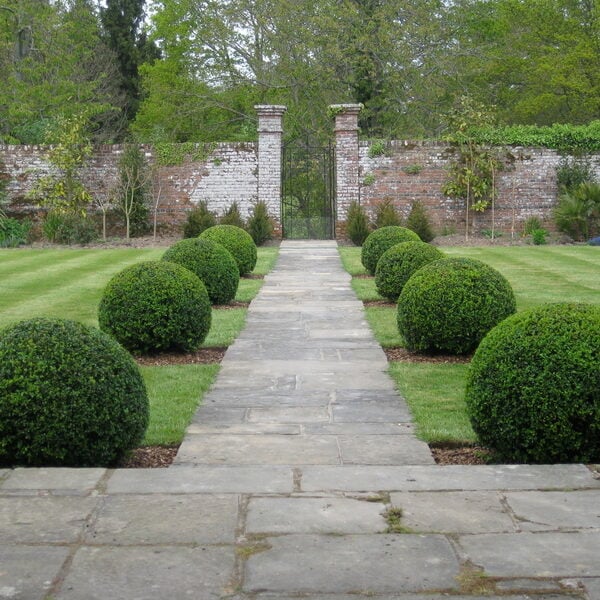
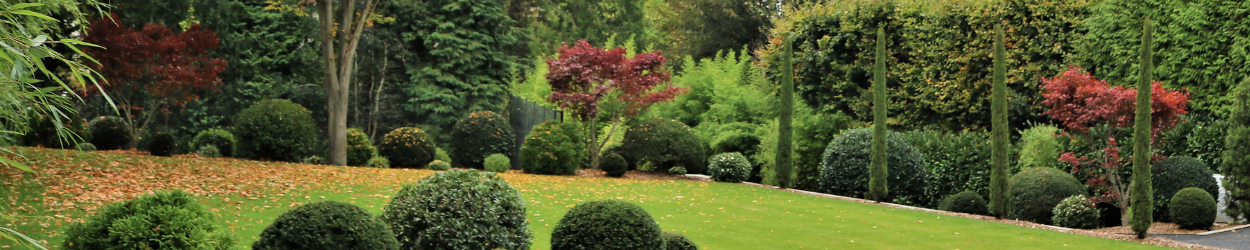
Extremely hardy evergreen shrub from the mediterranean with small clusters of fragrant flowers in summer, this is a smashing little shrub. Deep green and glossy, with pointy elongated oval leaves held firmly on intricate and succulent stems, structurally you can see quite a clear relationship with its Olive and Privet cousins. Dense of habit and really sculptural when sheared into shape, as you can see here. We like balls and bobbles here at Architectural Plants as they’re a properly posh and ever-so classic form. If it ain't broke, etc. The hardiness and versatility of Phillyrea angustifolia make them a must-have for any garden and their tough low-maintenance nature means you get plenty of architectural impact with very little hassle. Have a potted pair to flank a doorway or line a path with a neat row of them. They combine especially well with pyramids and obelisks and other controlled shapes. Equally, an evergreen ball (or several) like these can be playfully dotted about in a mixed planting of softer stuff like grasses for a very contemporary scene, and they will be interesting all year round: essential structure. A trim to keep them neat is required every so often but not that often, as they don’t grow terribly fast. Plant them in any soil that’s not a bog, and nowhere too shaded as being Mediterranean they do like to bask.
We don't recommend Phillyrea in areas where there has been Ash Dieback as they can be susceptible to this in wet winters.
N.B. When clipping several plants with the same tool, have a bucket containing a 5% bleach solution and swish your blades around for 30 seconds between plants to sterilise them. This will help avoid the chance of cross contamination of disease.
As with all woody plants, plant high, exposing as much of the taper at the base of the trunk as possible. Allowing soil to accumulate round the base of a tree can be fatal. Keep very well watered when first planted.
Additional Information |
|
|---|---|
| Size | 45L (H80cm, W80-90cm), 55L (H60, W60-70cm), In Training 5L(H30-50cm, W30-50cm) |
| Soil Type | |
| Light | |
| Plant Type | |
| Continent of Origin | |
| Specialist Plants | Grown by Us, Japanese, Mediterranean, Niwaki, Topiary, Balls and Blobs |
| Tree Size | |
| Situation | Coastal, Exposed (To wind and sun), Mild City Gardens, Plants for Pots, Sheltered Garden |
| Flower Colour | |
| Hardiness | |
FAQs
How fast does Phillyrea angustifolia grow?
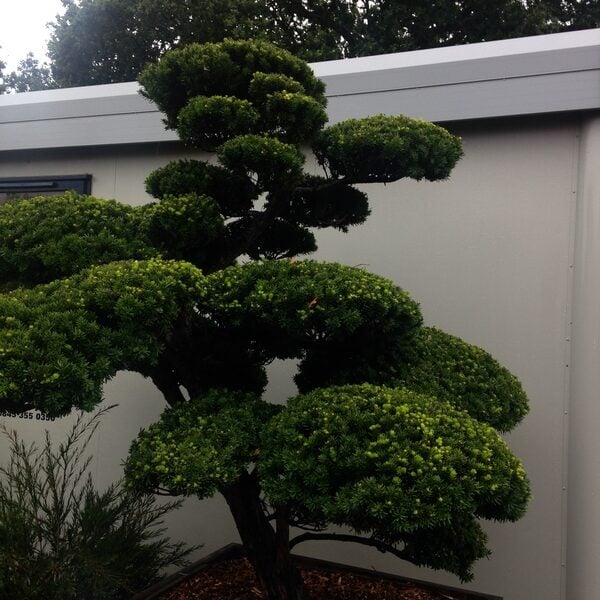
Slower growing than Phillyrea latifolia and left as a shrub it will reach a height of 10ft. But do you really want an undistinguished shrub? It’s best kept clipped and kept as topiary: either as balls, in a blobbery or as a dramatic piece of Niwaki.
How do you take care of Phillyrea angustifolia?
To get the best out of these trees they need space and light. Happy in Clay, Dry / Well Drained, Sandy soils. Plant high, exposing as much of the taper at the base of the trunk as possible. Allowing soil to accumulate around the base of a tree can be fatal. Keep very well-watered when first planted. Keep it clipped – it’s all about the shapeliness and this will also maintain a denser foliage.
How tall does Phillyrea angustifolia grow?
Left as a shrub it will grow to around 10ft tall. But you really don’t want to leave it as such. With dense narrow, dark green leaves to 6cm long, and small clusters of fragrant flowers in late spring you want to keep it clipped as topiary: either as balls, or in a blobbery, which we presume you wouldn’t want ever taller than chest height.
Do Phillyrea angustifolia prefer sun or shade?
Full Sun needs both space and light.
Is Phillyrea angustifolia an indoor or outdoor plant?
Outdoor plant.