Homegrown Production
AN OBSESSION WITH Growing
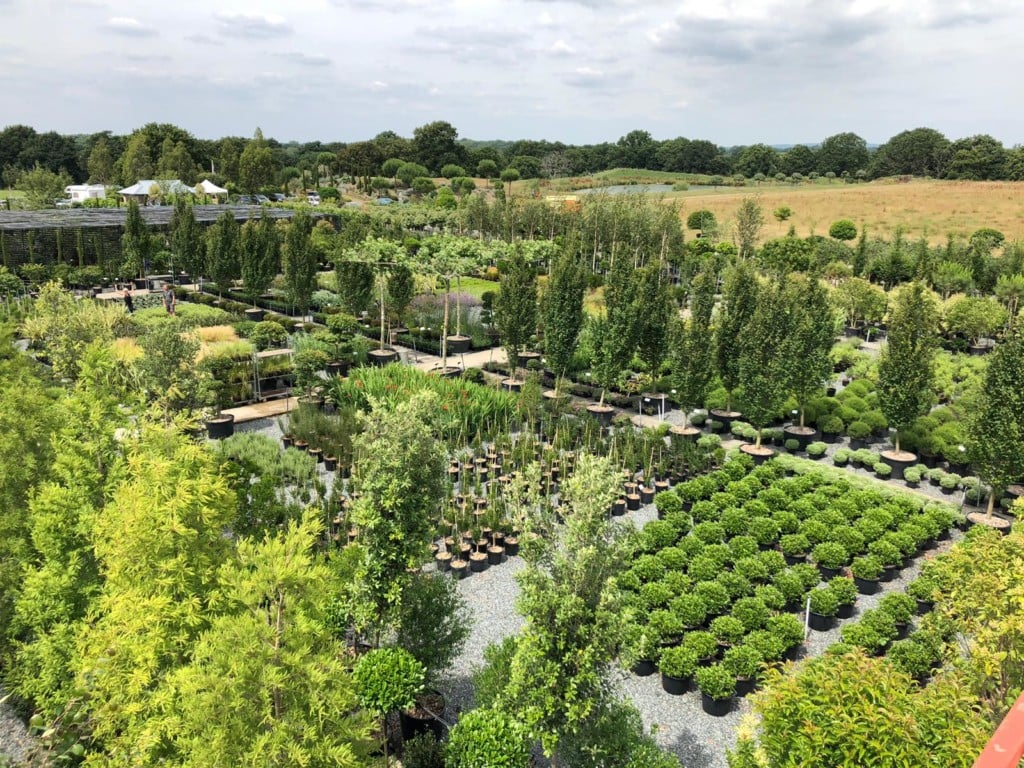
THE BIGGEST COLLECTION OF HOMEGROWN ARCHITECTURAL PLANTS IN THE UK
Tripled Homegrown Production
Over the past few years, we’ve made significant strides in expanding our Homegrown Production. Out of the 40,000 plants on our nursery, an impressive 20,000 are now homegrown—three times the number we were originally cultivating before 2020. We’ve developed and expanded to do this. A new laboratory for micropropagation and research: 4 acres of new growing space: a fog and liner house: lake gardens for seed and cuttings material. Of course, the more plants and trees we want to grow the more space we will need to develop and this remains an ongoing project as does our investment in our younger trainees with our AP Homegrown Apprenticeship Scheme.
Our New Homegrown Tunnels
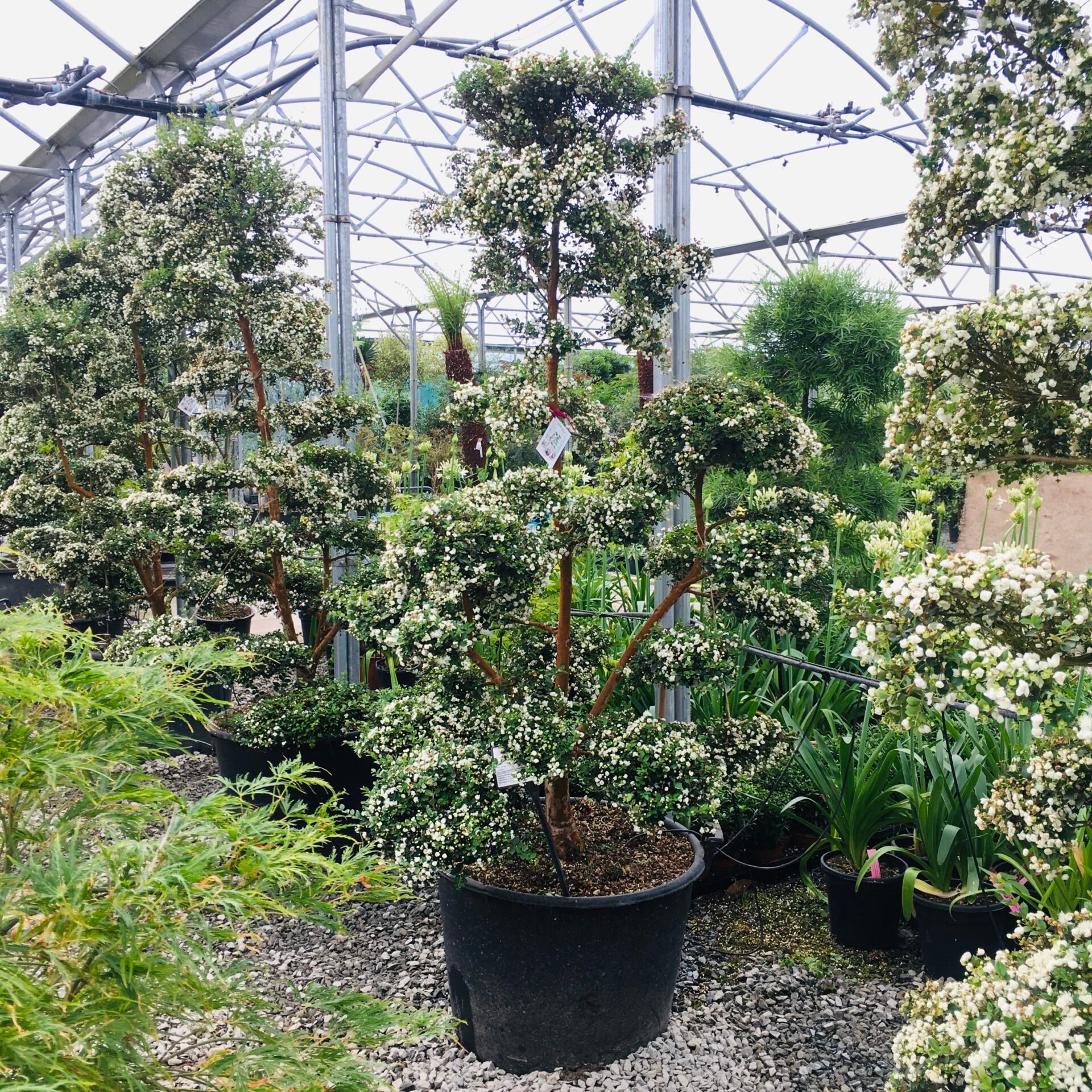
Our mission is to grown more of the mature, verdant and elegantly sculptural topiary & ‘Niwaki‘ we’re known for: a broader range of balls, pillows and blobs: Box alternatives: hardy evergreen and deciduous screening specimens: colourful acers: resplendent multi-stems: unfurling canopies. An endless array of luxurious and textural vertical drama.
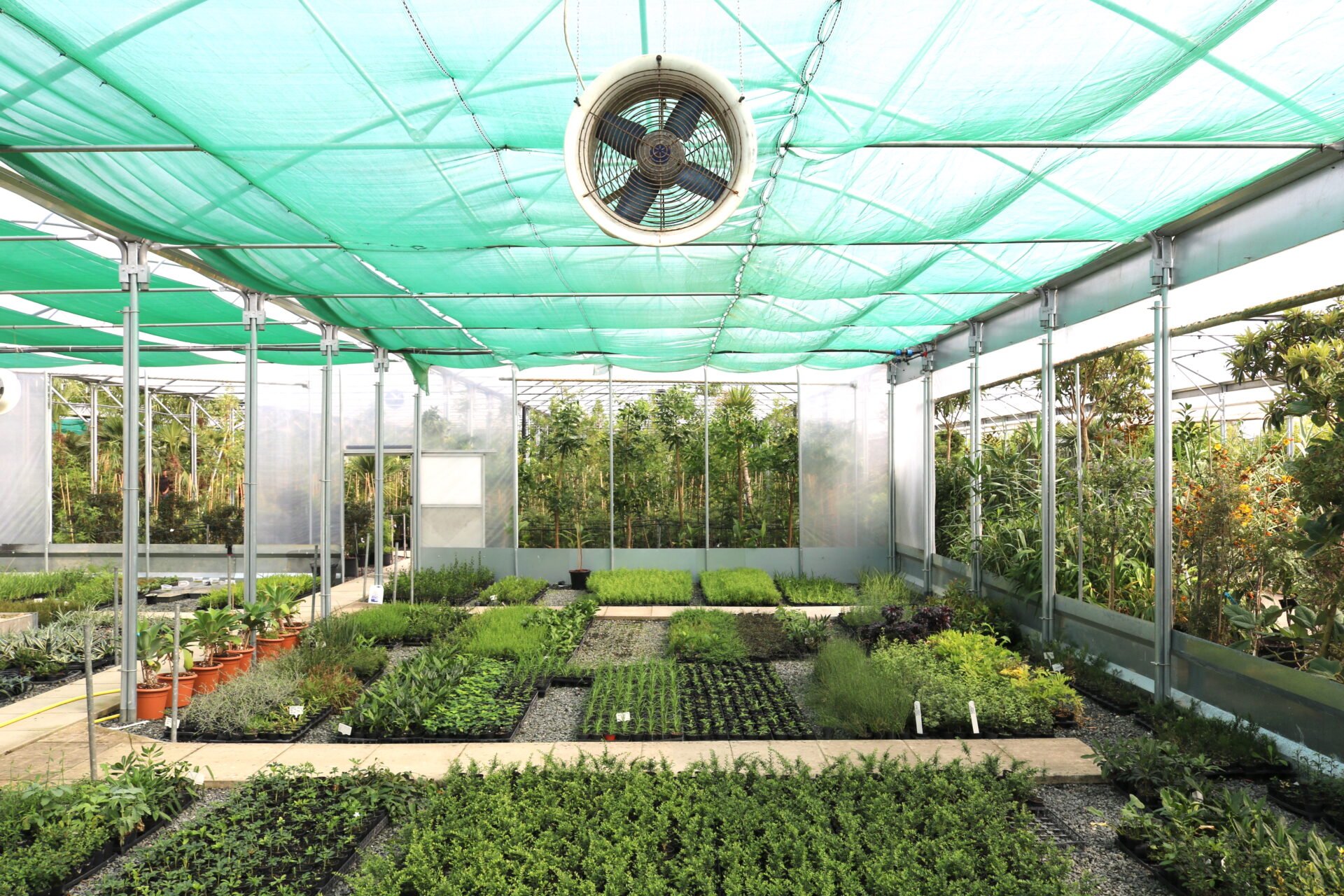
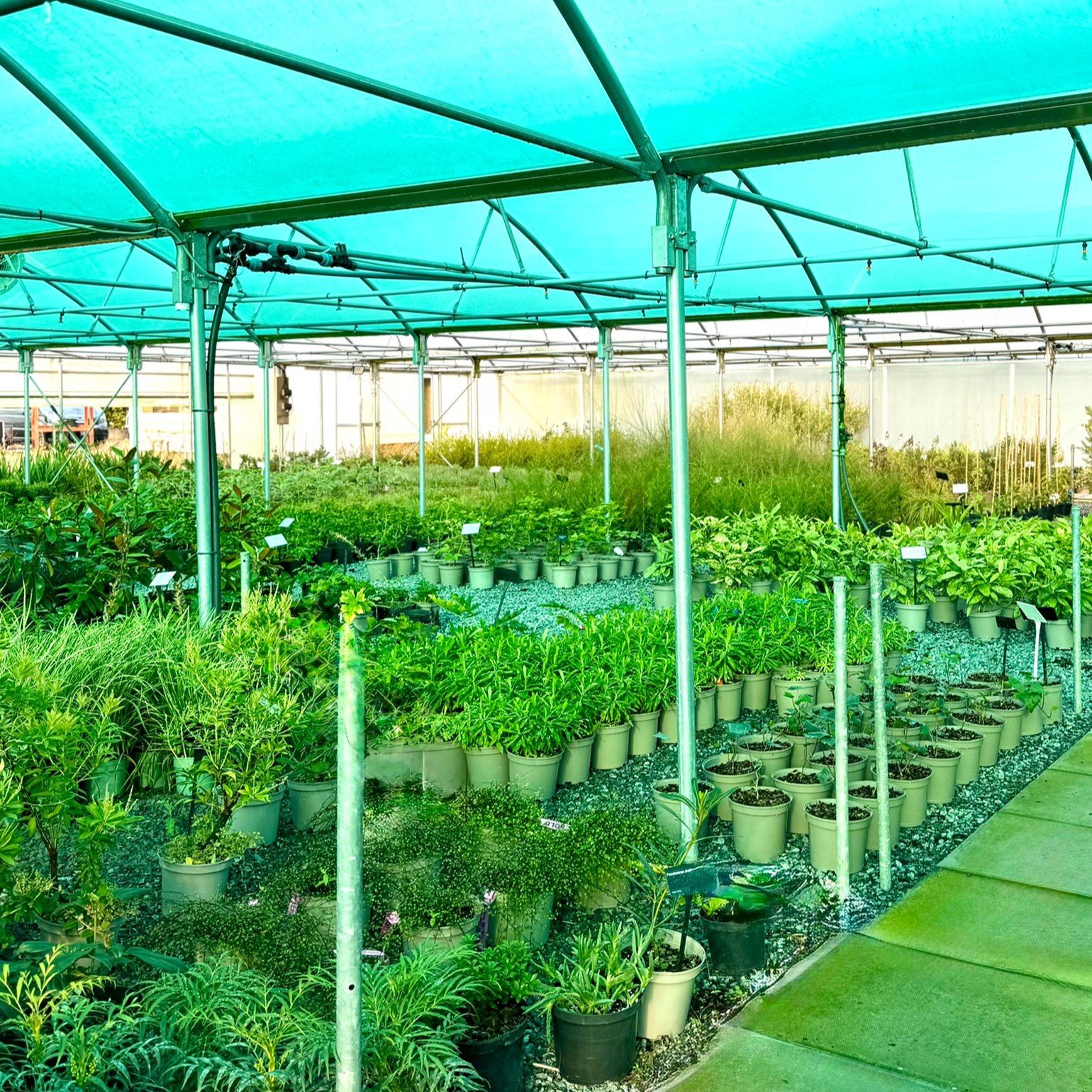
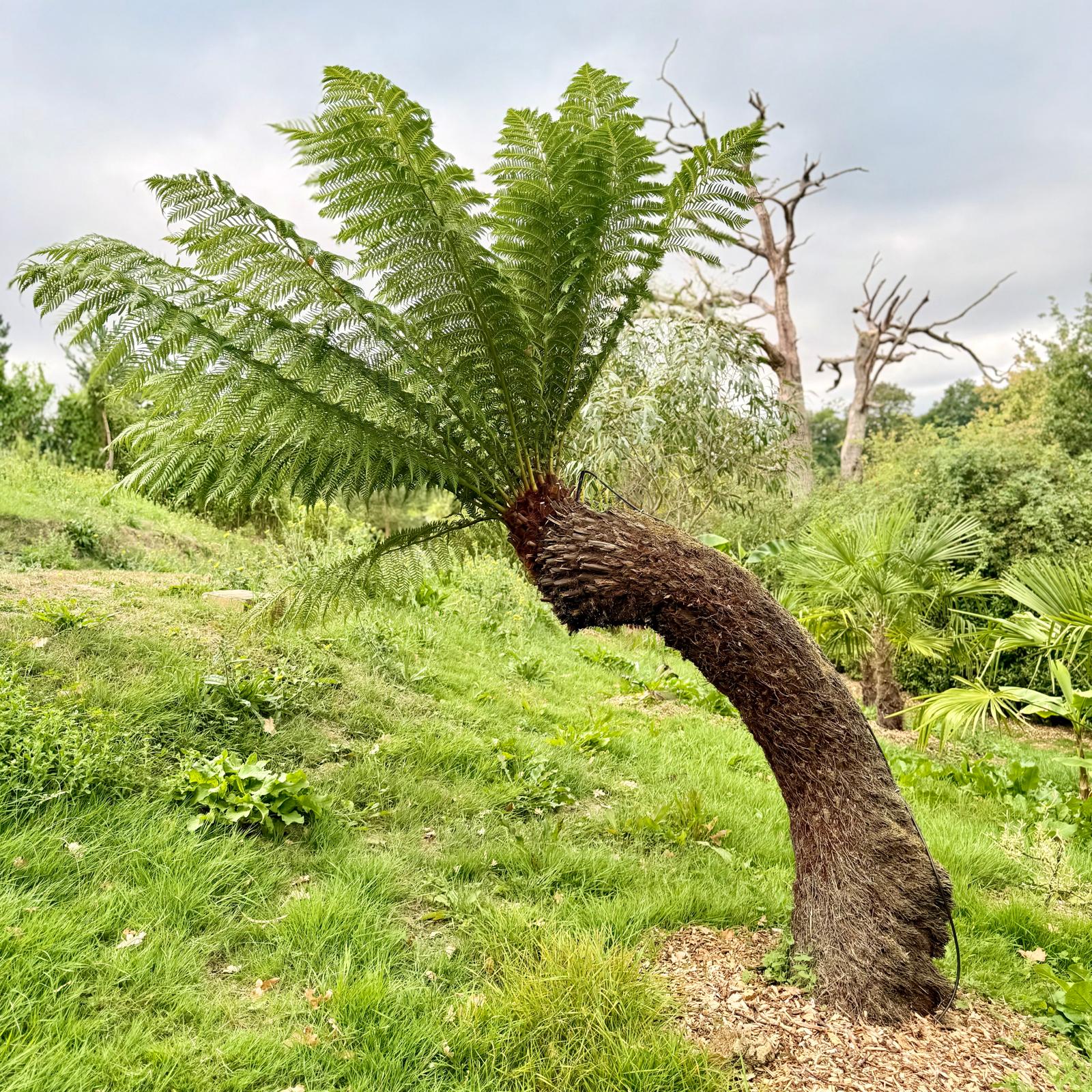
We haven’t yet mentioned our eleven indoor polytunnels. These are home to inspiring delights from across the world: tropical & exotic evergreens, tree ferns, large palms, climbers, spiky arid stalwarts, succulents, pops of flowering colour and rare plants we are reintroducing to the UK through our cultivation.
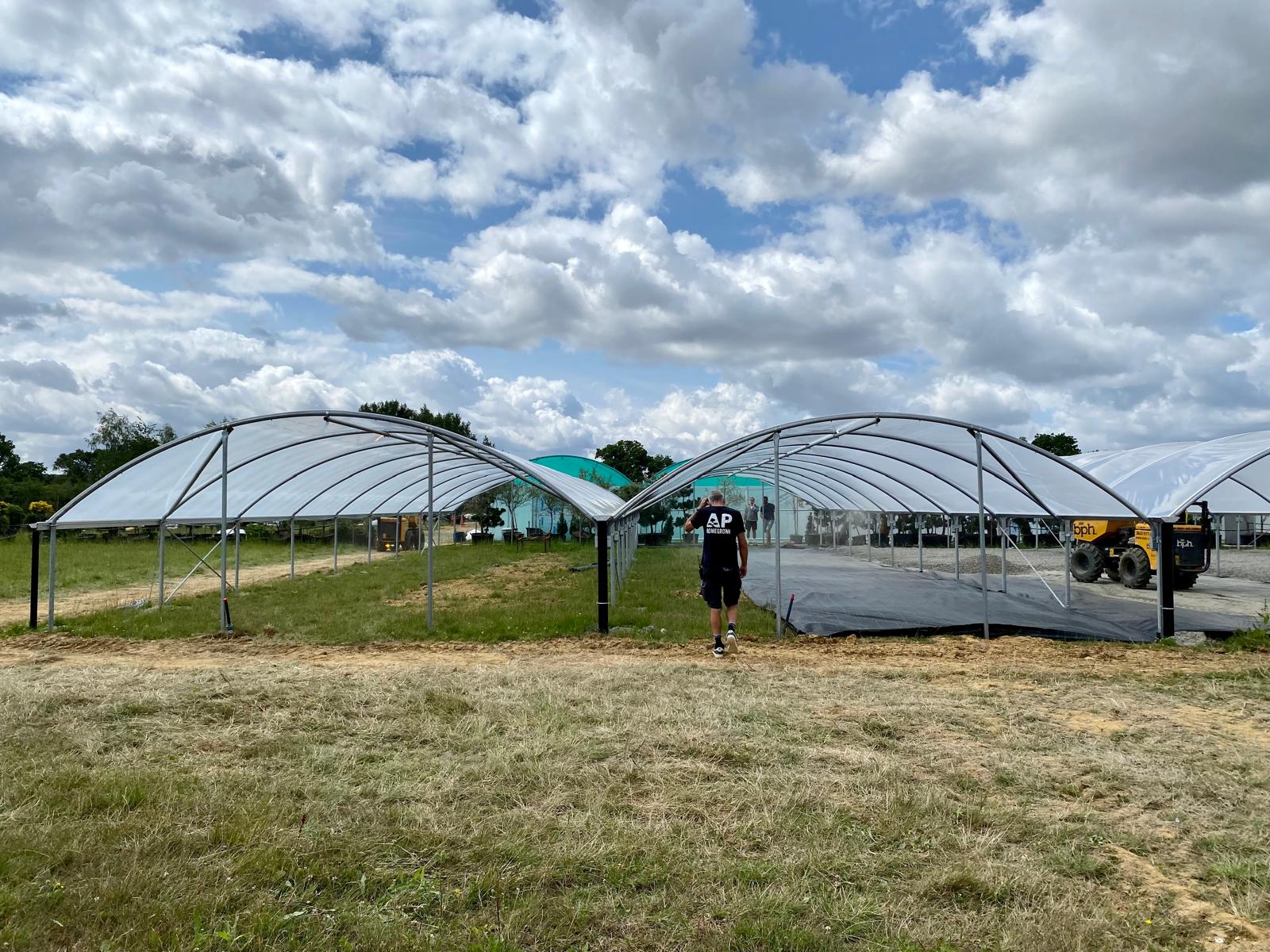
4 Acres of Homegrown Production Spans completed in 2024
In 2024 we completed the build of 10 new homegrown spans, adding over four acres of dedicated space to our production areas. These spans have transformed how we grow, giving us the capacity to nurture a much wider range of plants from seed and cuttings right here on the nursery. They provide the perfect environment for young plants to establish strong roots, protected from the elements but still acclimatised to our Sussex conditions. This investment marks a huge step towards our long-term goal of greater self-sufficiency, reducing imports, and ensuring that more of the bold, unusual plants we’re known for are truly homegrown by us.
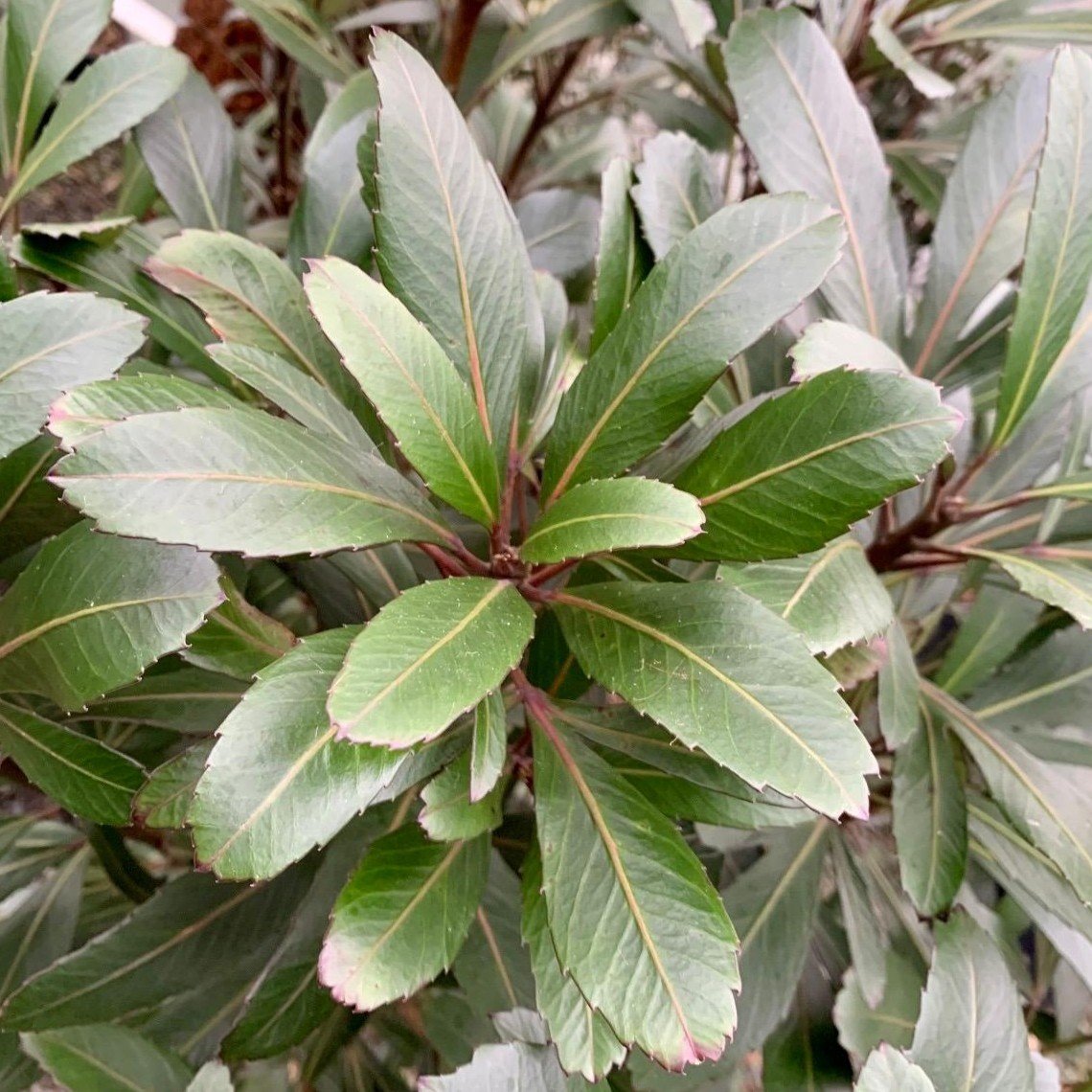
Bring that Back
We are passionate about reintroducing plants that have fallen out of commercial cultivation in the UK or just haven’t been thought of before. This was the driving motivation behind establishing the nursery in 1989 and it remains so today. We do this by trialling, carefully nurturing and cultivating these species under controlled conditions managed by the experts on our nursery team. Our aims are threefold; share the knowledge of these discoveries with the industry and the public; guarantee that future horticultural generations hand on this legacy; help make your garden as exciting as possible.
If you’re looking to add unique drama and interest to your garden design, you’ll love our intriguing collection of rare and unusual homegrown plants.
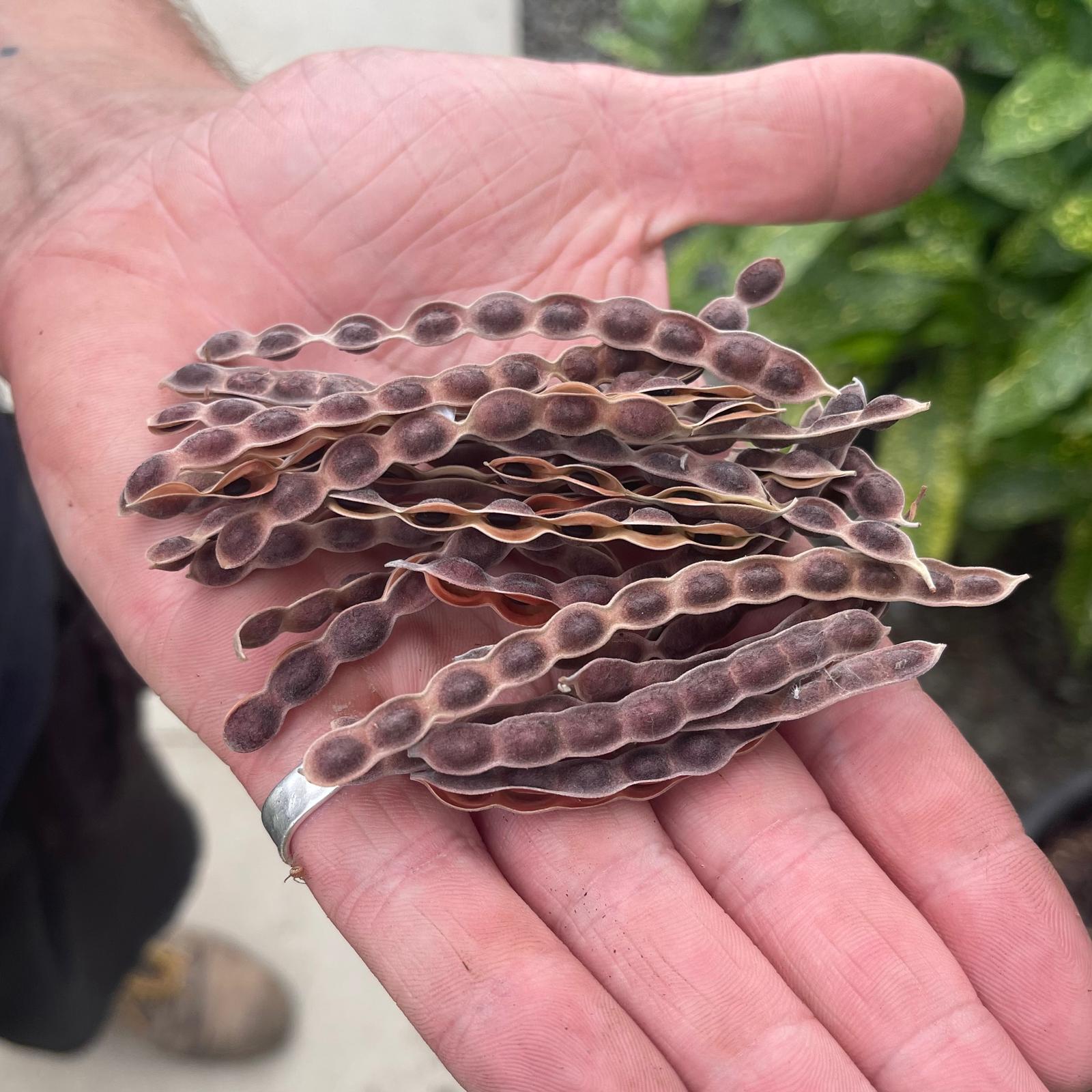
Cutting Edge Propagation Laboratory
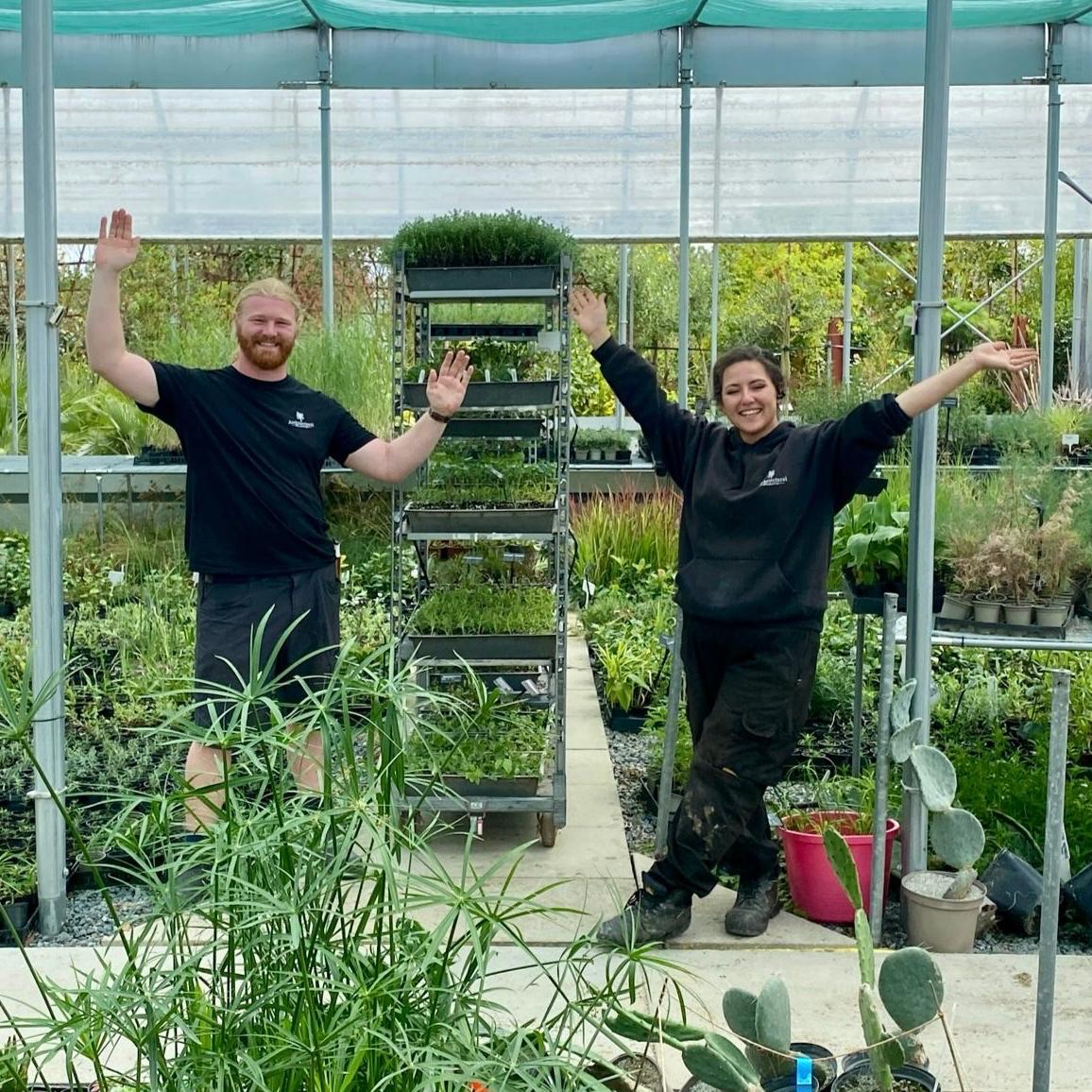
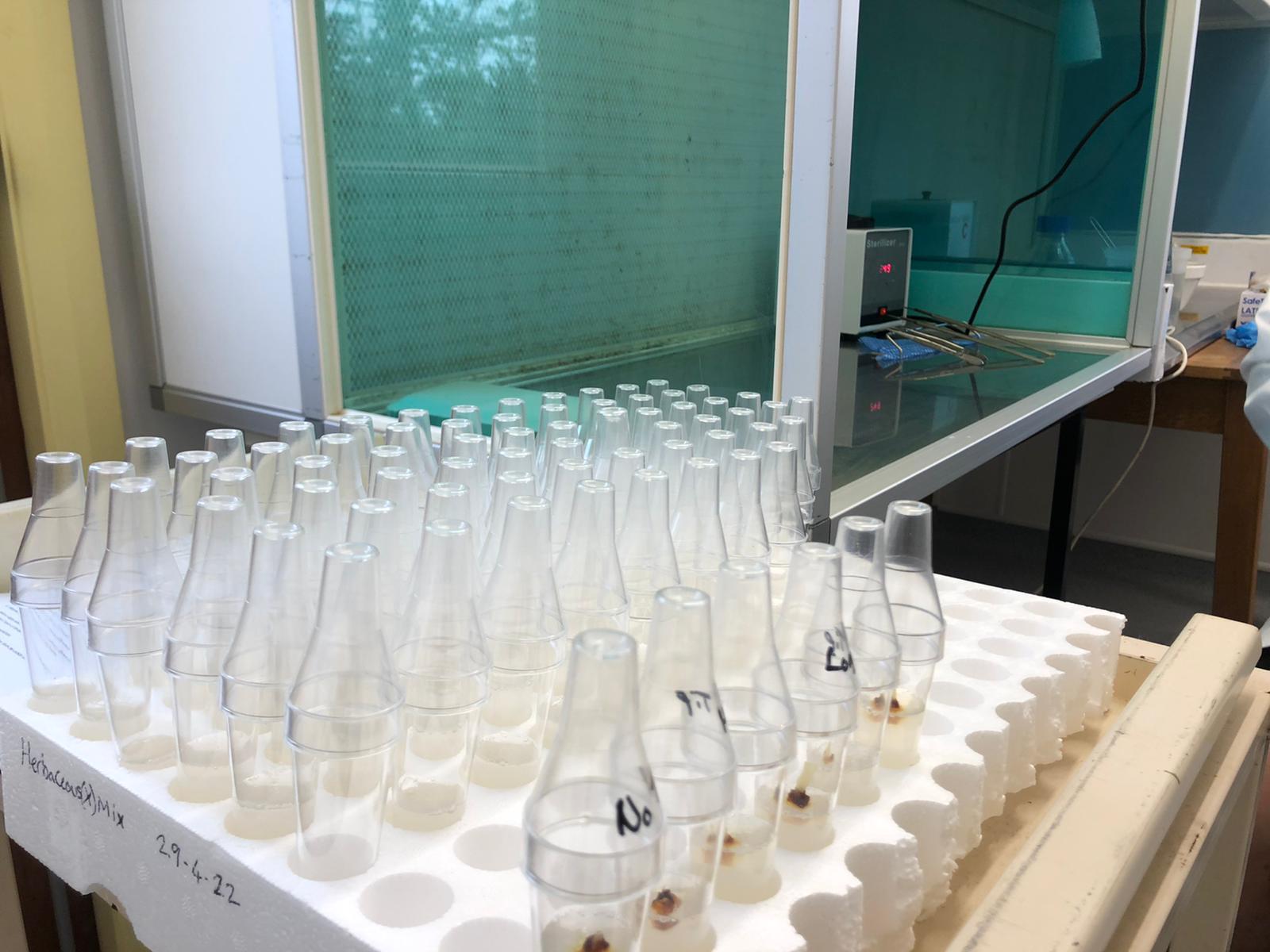
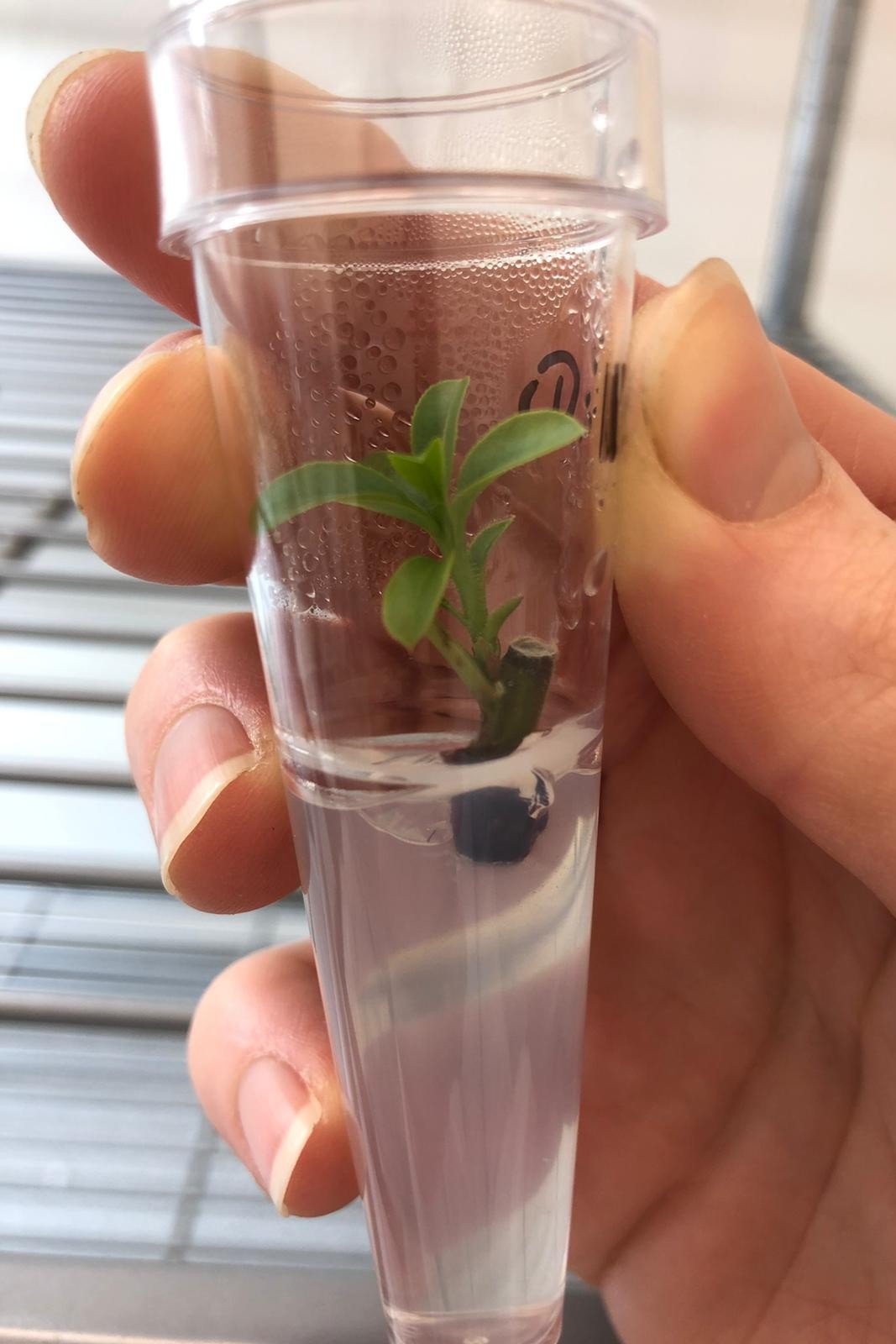
Our cutting-edge Propagation Laboratory is at the heart of our innovation, where we push the boundaries to cultivate even the most challenging and hard-to-grow plants, ensuring a diverse and thriving selection for our customers. It is made up of a series of rooms separated by doors allowing for increasingly minimal contamination from the outside, as you approach the sterile growing room.
Our Propagation Laboratory
Mixes of herbaceous or woody multiplication and rooting mixes are made in here. We follow different recipes based on what we are trying to achieve and all the ingredients are found in this room. Things like sugar, growth hormone and bacterial suppressants.
Our laboratory also has a grow room that is insulated and temperature controlled via a smart heating and cooling unit (kept at a constant 25°C) to provide optimal growth temperature. It has full-spectrum grow lights with timers (16 hrs on per day) used to increase growth potential and racking for increased growing space.
By Cuttings & From Seed
We are committed to breaking new ground with our homegrown production. We want to produce more of the plants that we love so much and make rarer and exciting plants more easily available for customers to enjoy in their gardens.
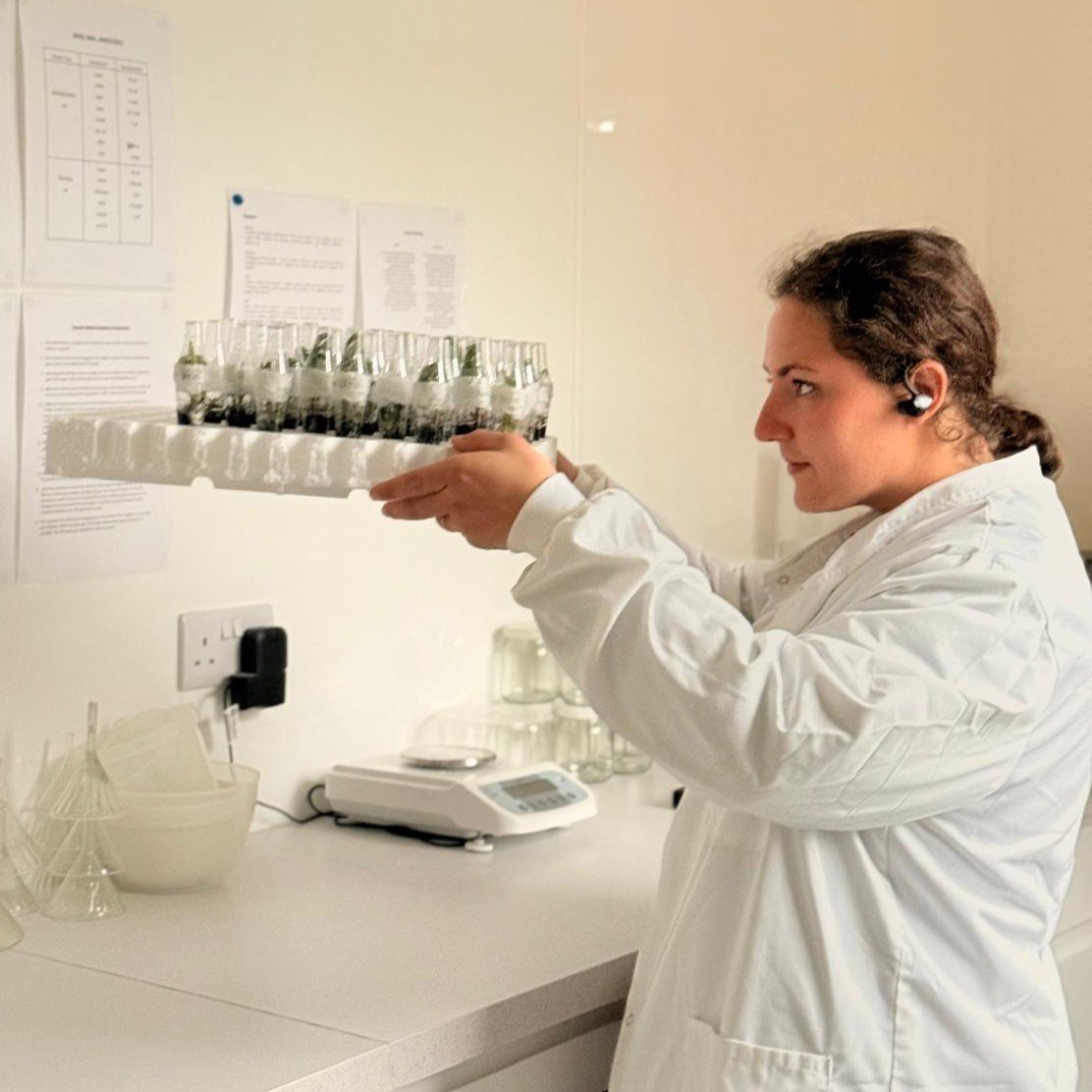
We want to develop as a grower of remarkable plants and import less. Fundamentally we are driven to become self-sustainable through developing new facilities like our laboratory. We have a team of experts already doing this but we also invest in new and young nursery members who will develop into fantastic growers like Alex.
We want to create a legacy of knowledge that will inform how we propagate, train & grow our plants and share this with others in UK Horticultural industry. – Guy Watts
Homegrown Highlights
Acacia pravissima
HOMEGROWN BY US
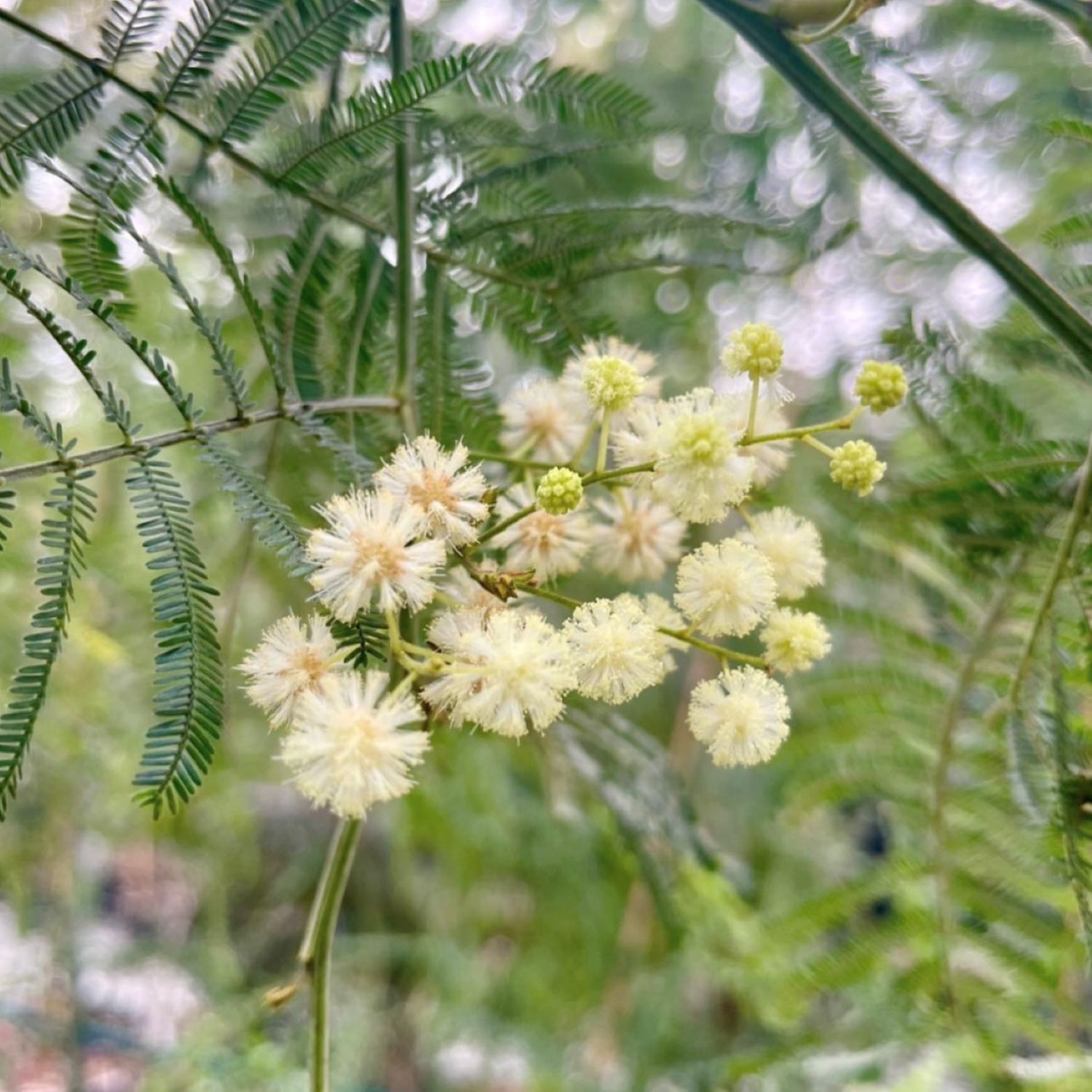
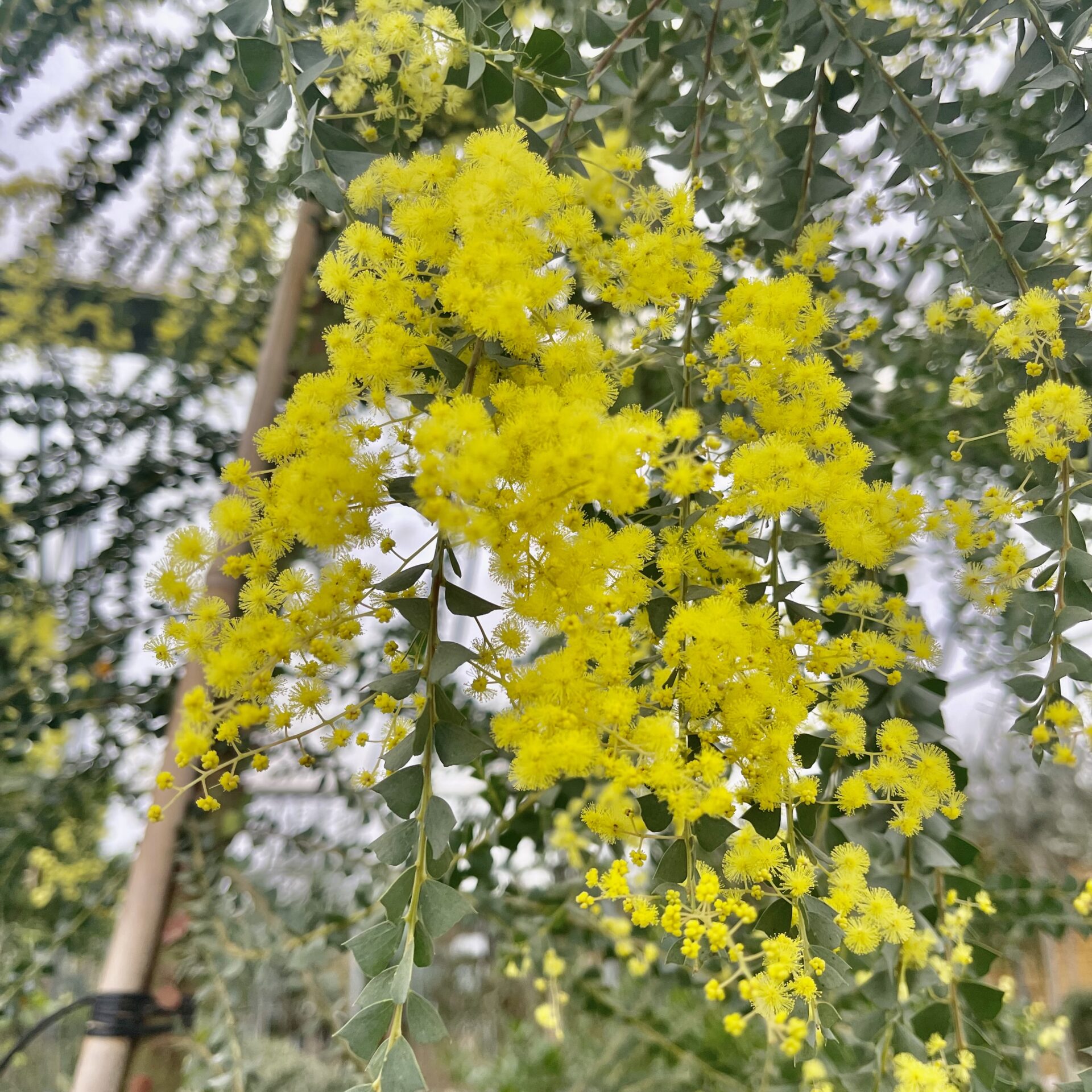
A small weeping evergreen Mimosa tree with unusual triangular leaves and yellow flowers in March. Best in full sun (to get the lovely shape) and reasonably well drained, but not chalky, soil. These plants are grown from seed so they will need to mature for about 3-7 years before they flower. When the flowers do appear they are yellow, fragrant and copious.
Myrtus apiculata – Niwaki
HOMEGROWN BY US
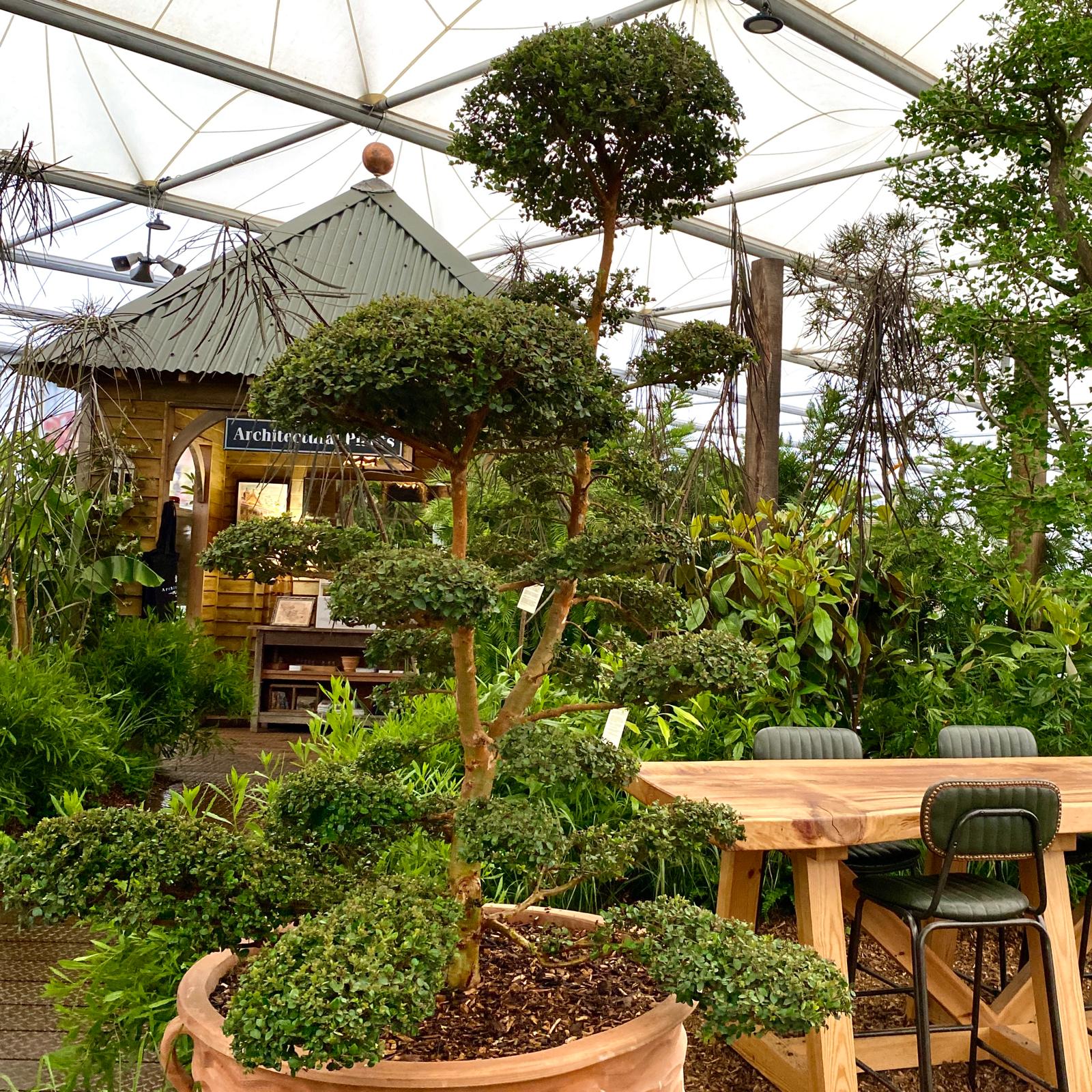
Homegrown Niwaki. In Chile it’s called the Bambi tree because of the bark. The idea of growing our own Niwaki – rather than continuing to import from Japan – was highly appealing. But which of our many small leafed evergreen trees were suitable candidates? With little trouble, we chose Myrtus apiculata (for it’s beautiful bark, fragrant white flowers, colourful new growth and it’s ability to take any amount of clipping). We made that decision in about 1998 and have stuck with it ever since.
Trochodendron aralioides
HOMEGROWN BY US
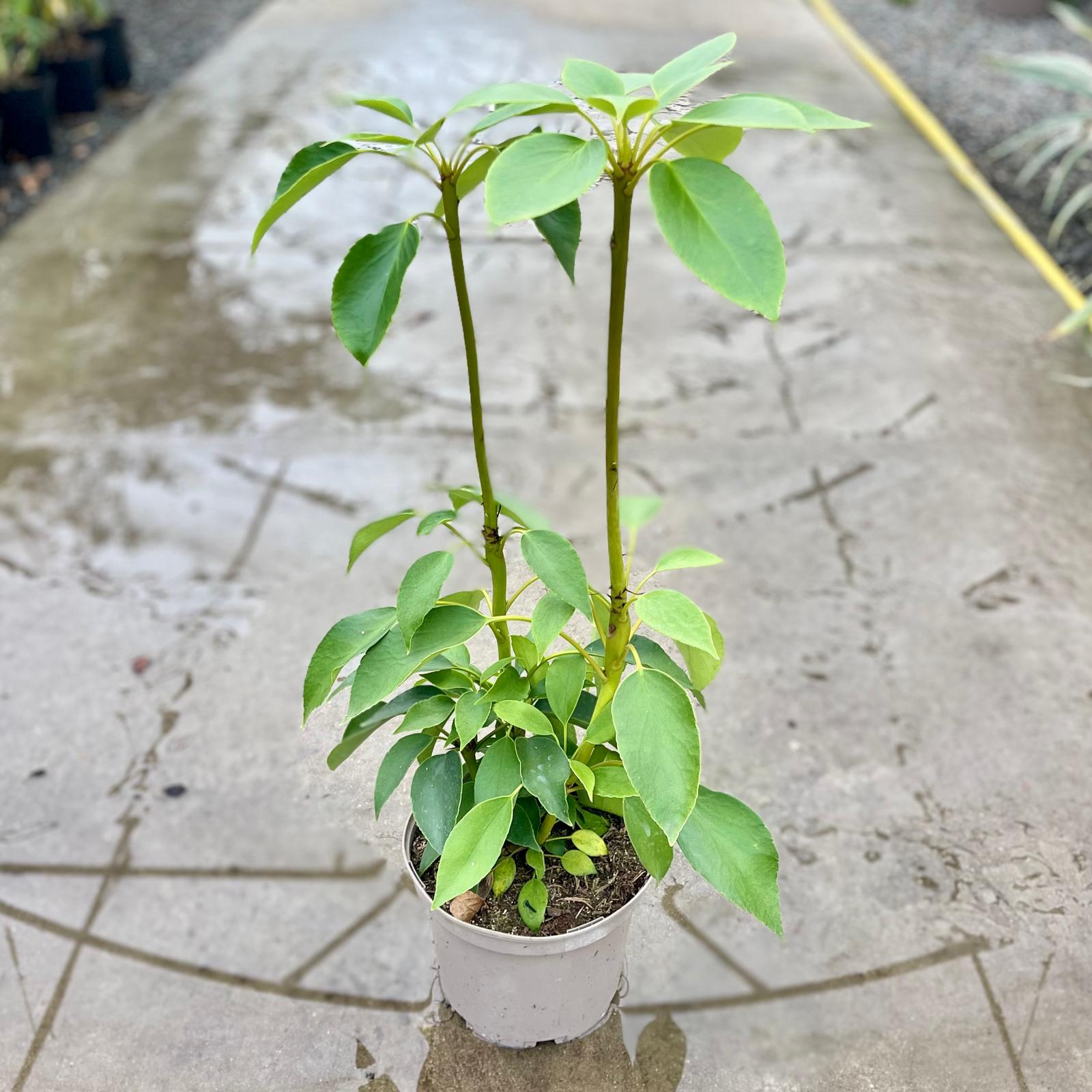
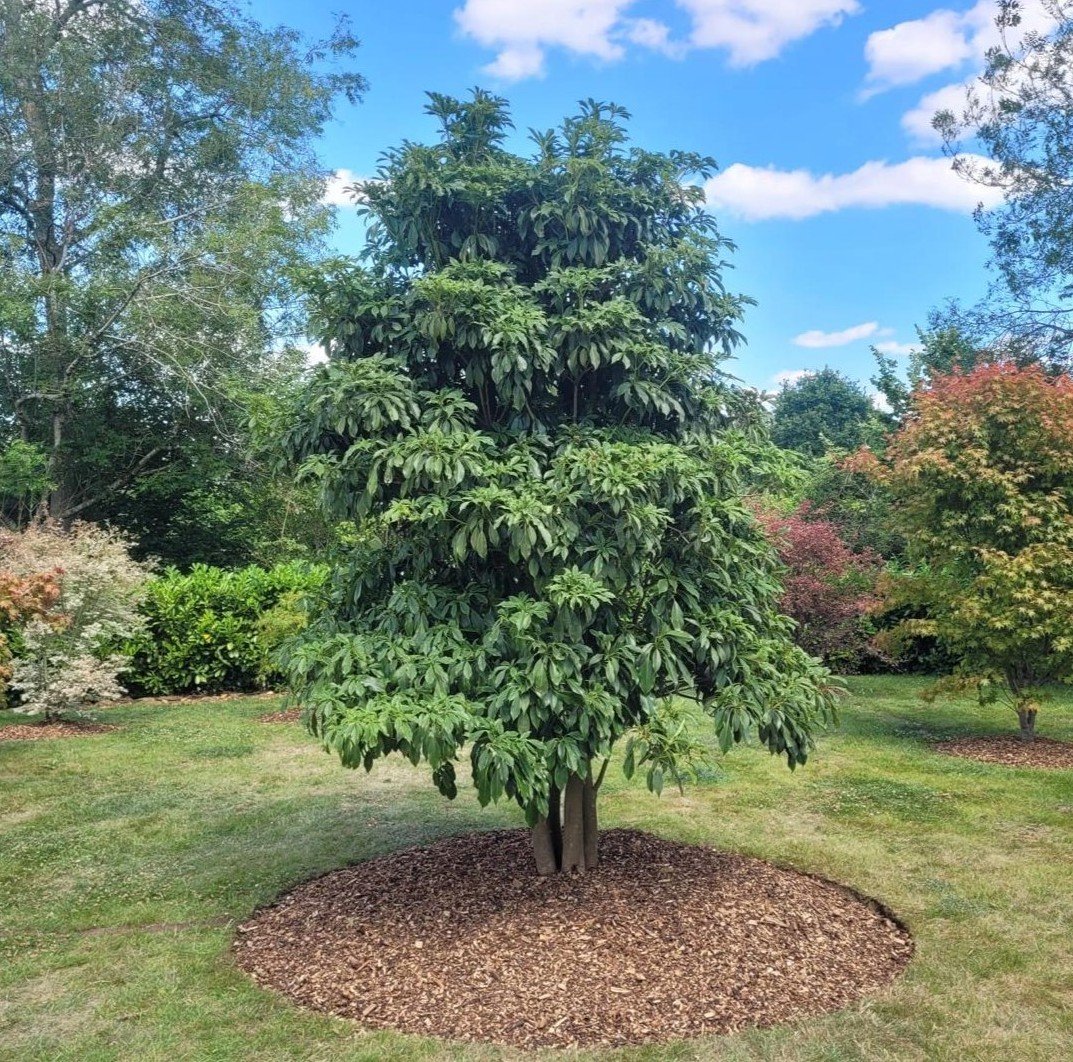
We like revitalising your interest in plants that have for a variety of reasons often come to be ignored by UK growers and are rare to find in the broader commercial horticultural industry. Trochodendron aralioides is one of Guy’s favourite re-discoveries in recent years. Described to him years ago by Angus White as ‘the loneliest plant in the world’, this is a very old form of plant and it has no other living relatives.
Musa basjoo
HOMEGROWN BY US
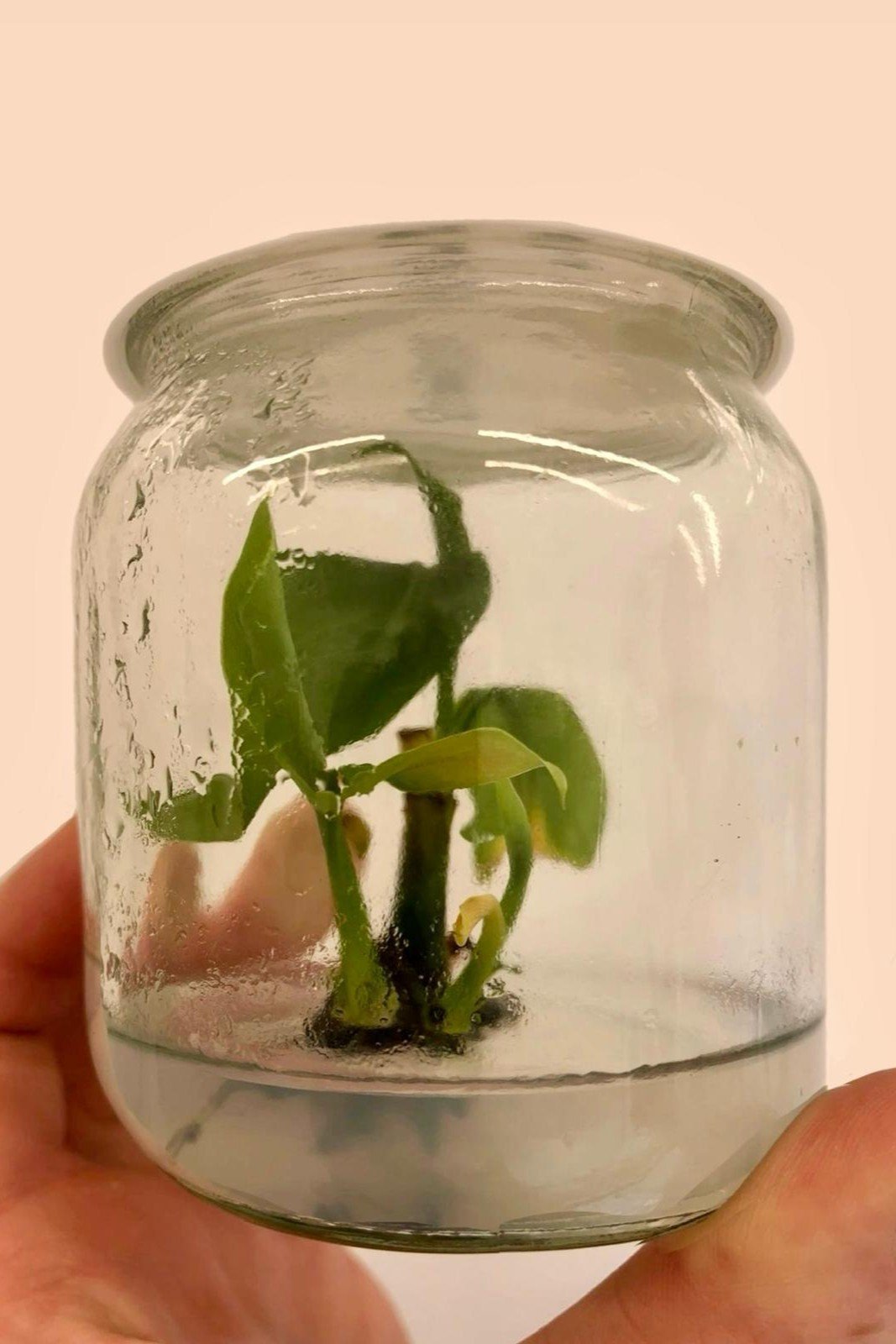
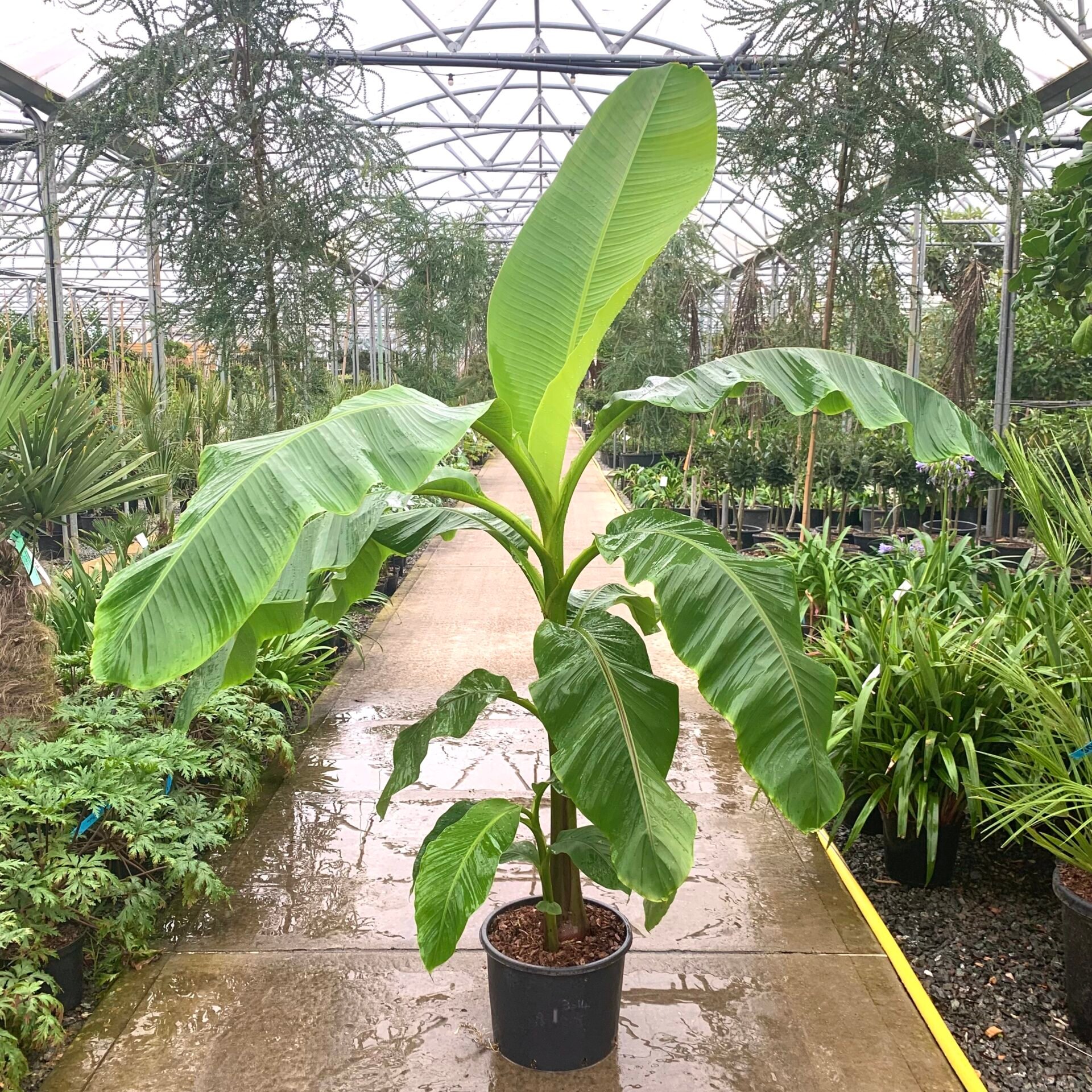
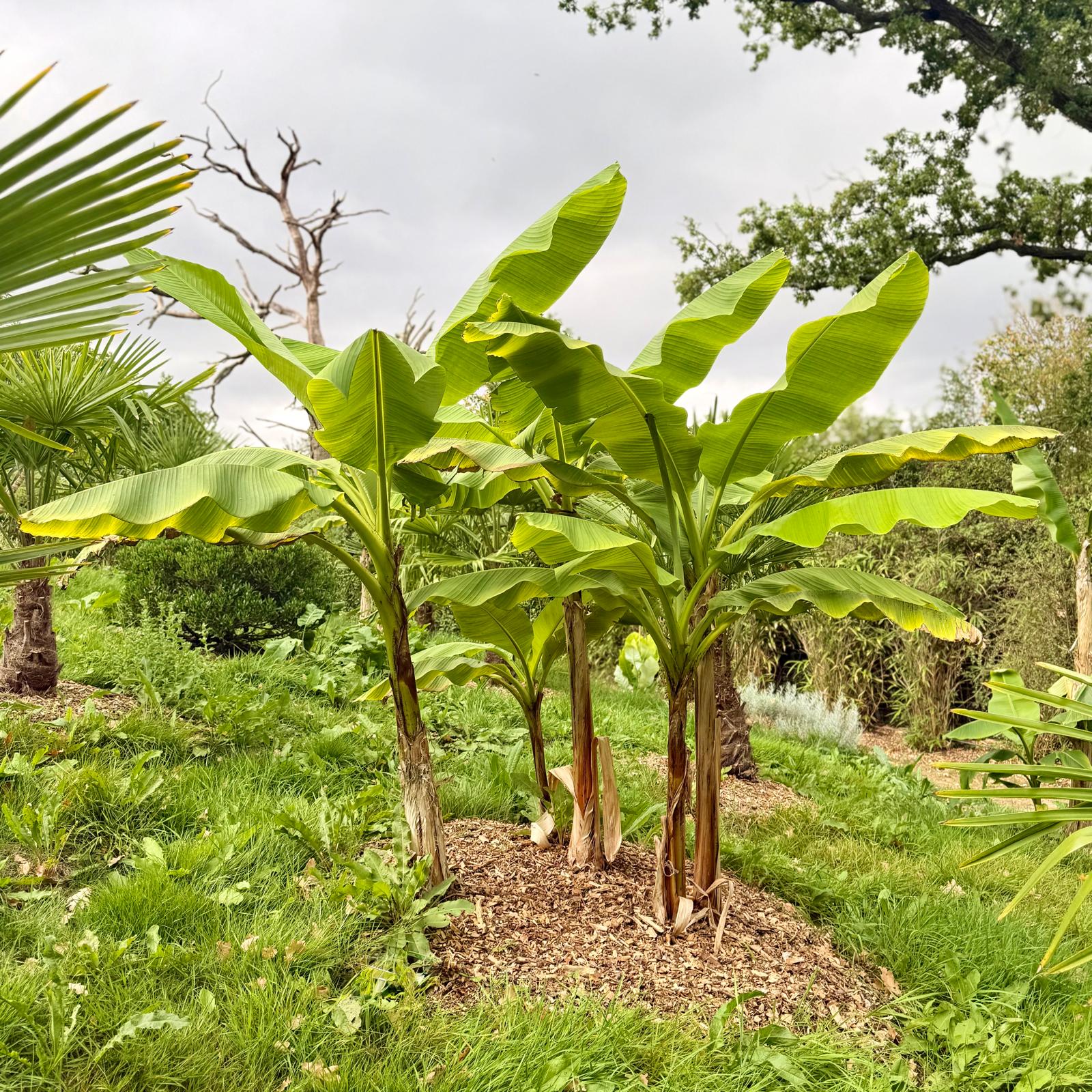
Implausible though it sounds – a hardy Banana from Japan. his has to be the most unlikely candidate for an English garden. Think of the tropics and it’s palm trees and bananas. These are native to southern Japan and the leaves are no more frost hardy than the tropical species but this particular one has a curious characteristic; it grows at ridiculously low temperatures. Propagated by us by micropropagation. We started producing these in the late 1980s and the original plant had survived unprotected the terribly winters of 1985 and 1987 in front of a greenhouse at the RHS Garden at Wisley in Surrey. A good provenance, we thought.
Lyonothamnus floribundus ‘Aspleniifolius’
HOMEGROWN BY US
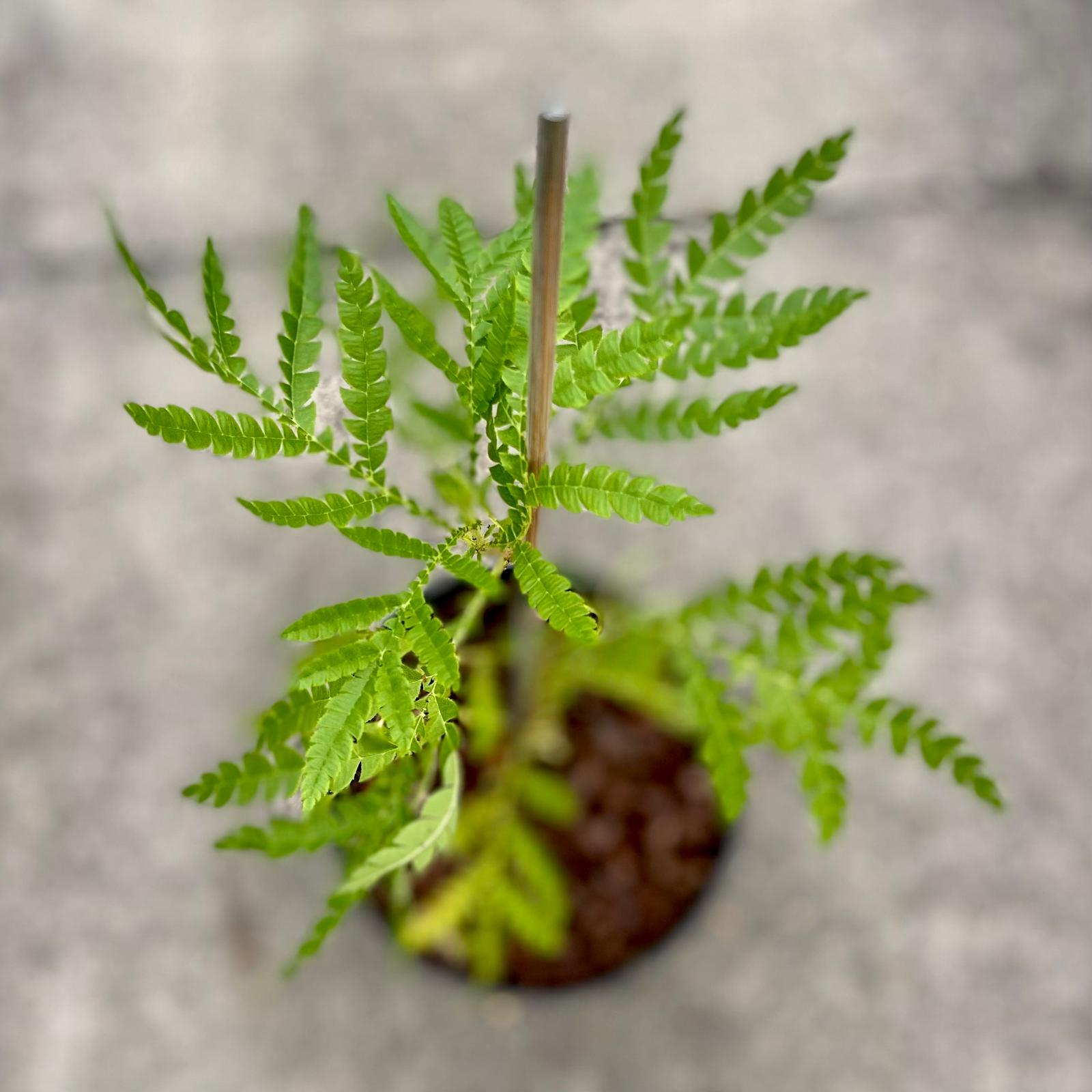
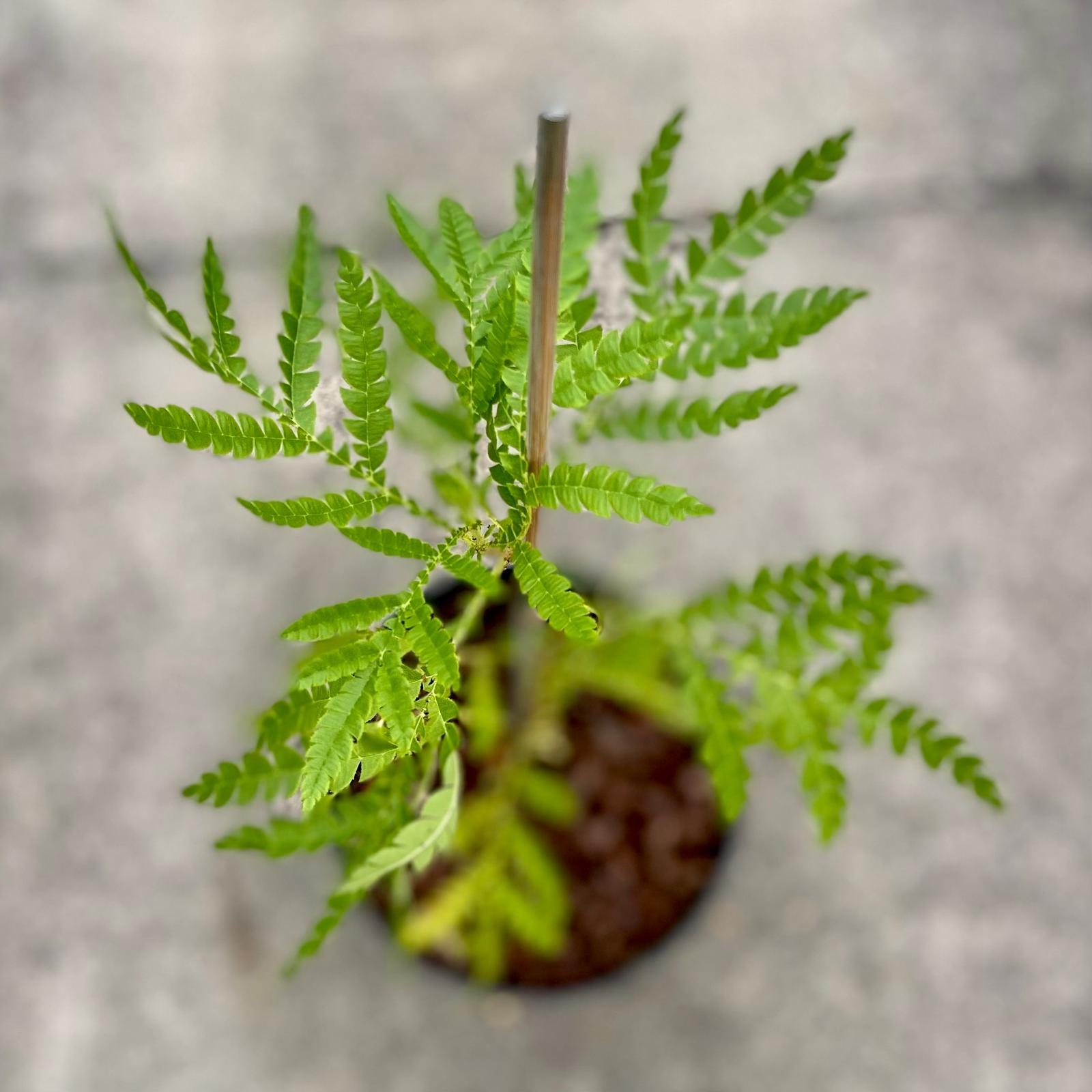
We propagate the plants ourselves from seed as – unfortunately – there seems no other way.
One day, we might figure out how to reproduce the perfect specimen (they do exist) – to produce this in the laboratory (by micropropagation) but for now, growing this tree must be treated as a horticultural adventure; predictability is just not its style.
Ilex crenata ‘Dark Green’
HOMEGROWN BY US
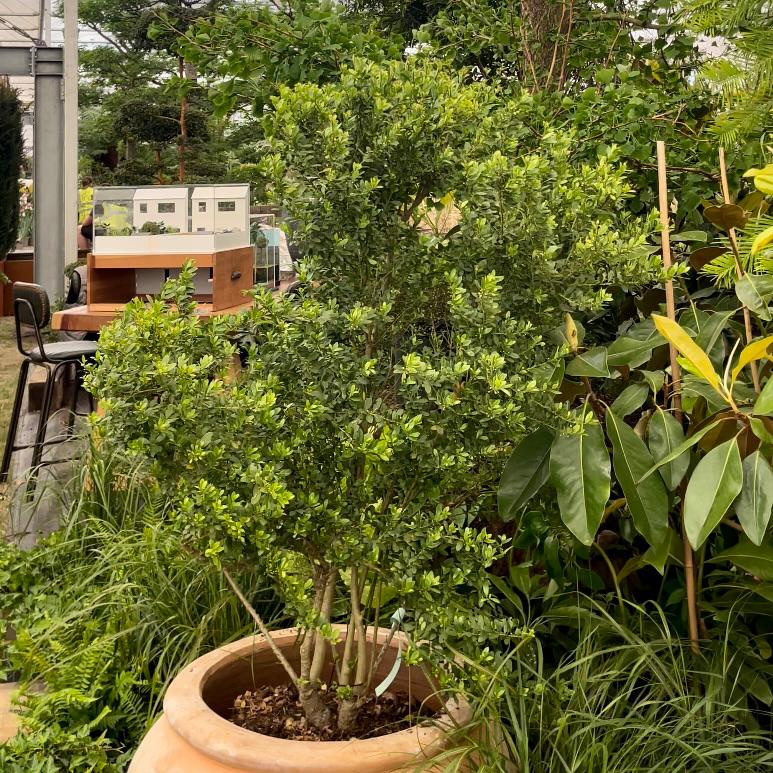
This variety from East Asia is the darkest and deepest we’ve seen.
Left alone as a dense shrub it can reach around 4 metres in height and spread but don’t do that. It clips and trains so well that it would be criminal not to maximise those qualities and that’s why it makes a cracking Niwaki and that’s the finest way to grow them. We are Architectural Plants, after all.
Leaders in Shaping & Forming Plants
Niwaki production zone
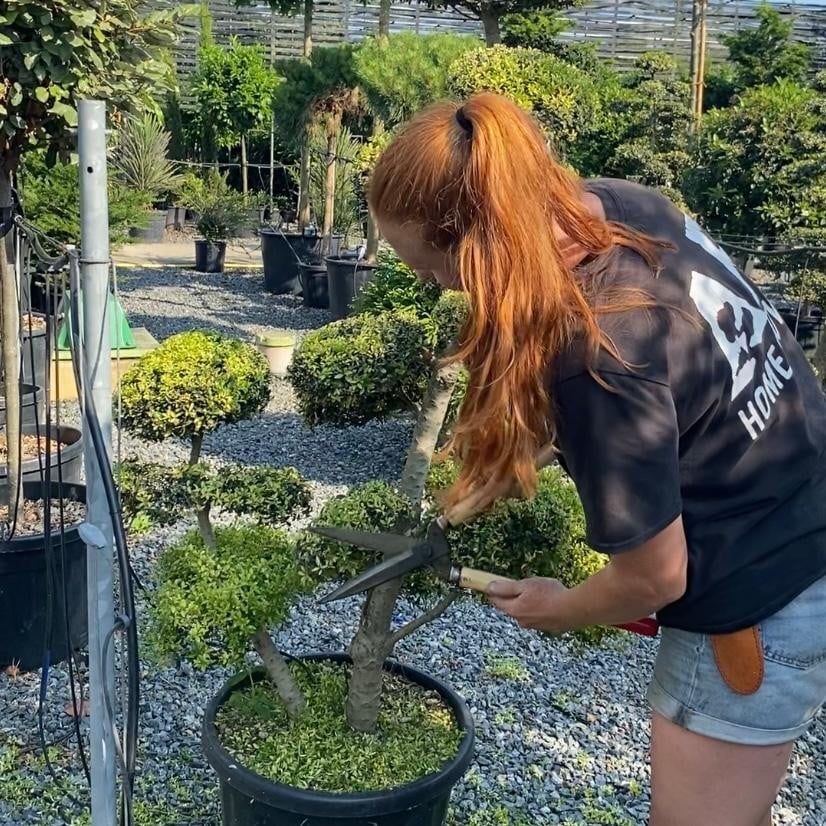
Linda is our ‘Niwaki’ and topiary expert. She trains and shapes all our homegrown and favourite varieties – just what you need for a Japanese Garden Design or to add balance and asymmetric style to a design involving greater fusion. Shape form and structure can be found in the Niwaki production zone, a creative space, which displays different varieties of cloud pruned trees both large and small, including specimens in various stages of training.
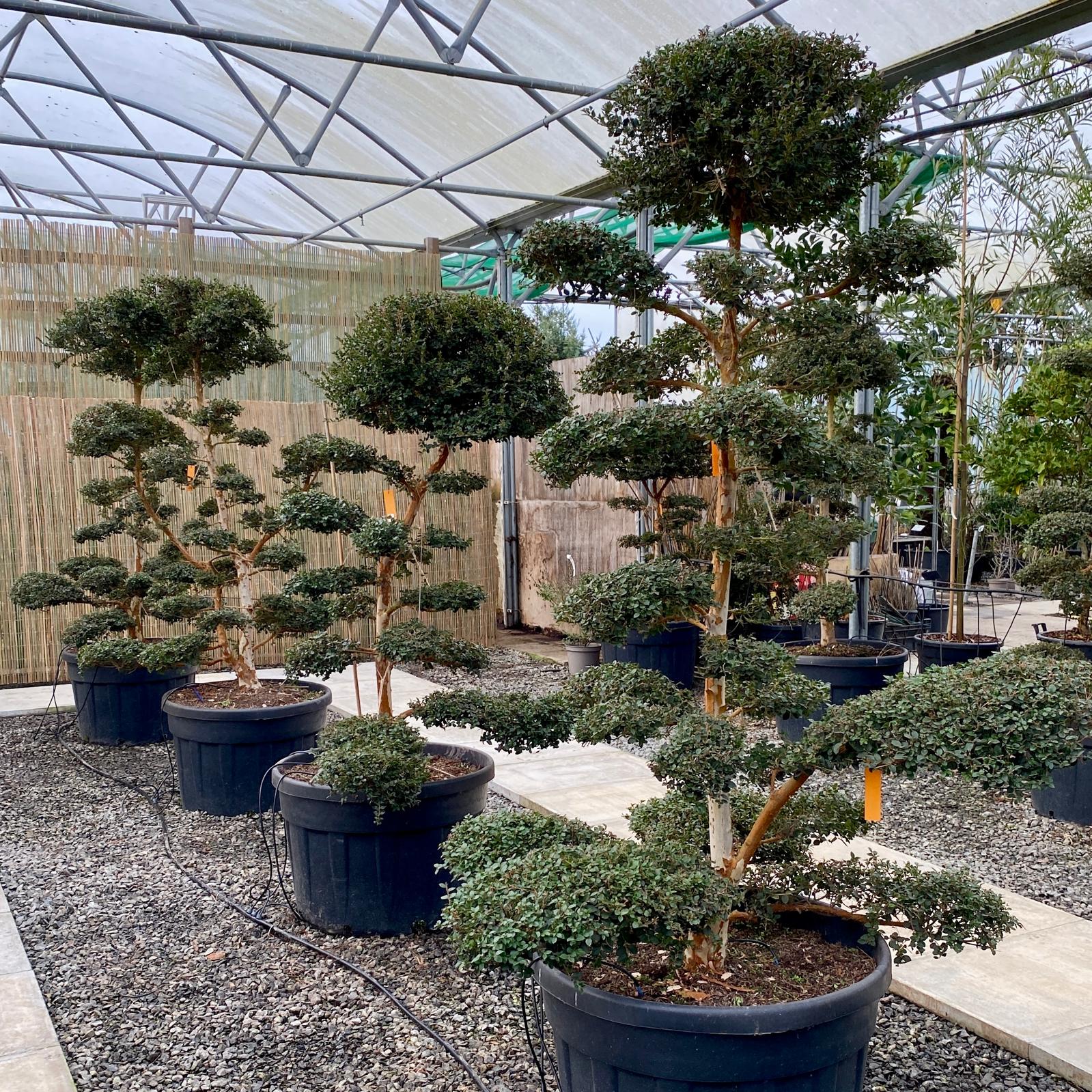
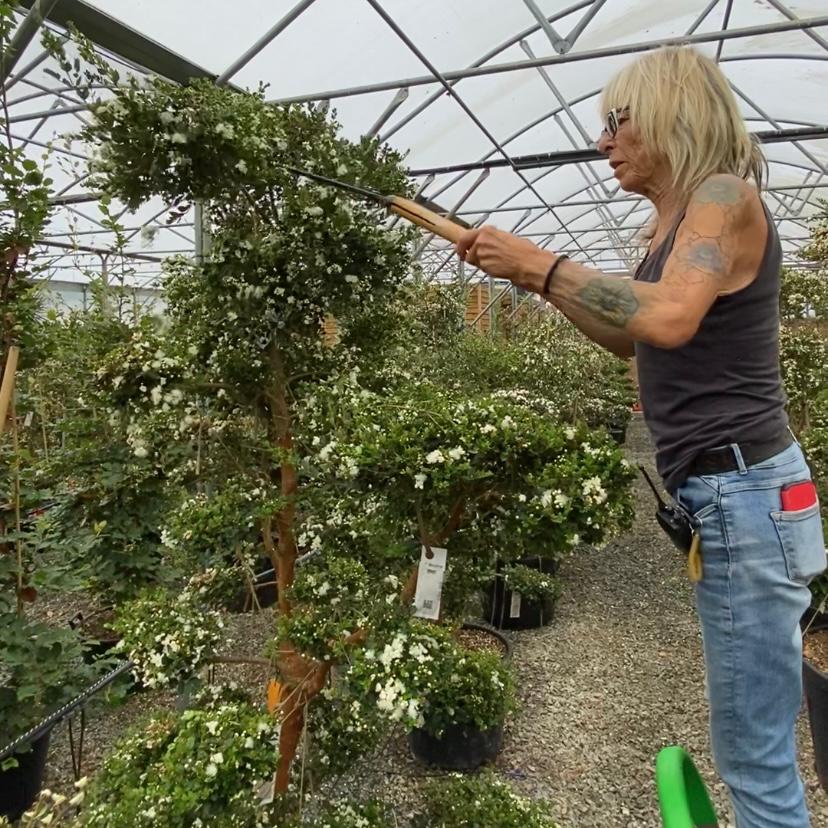
What’s the appeal of ‘Niwaki’ trees? Well. it’s a beautiful, manicured piece of sculpture that doesn’t display the kind of symmetry that we’re used to in Europe but of something closely allied – balance. ‘A well executed Niwaki is highly asymmetric and yet beautifully balanced at the same time. A kind of symmetry.’
Where Young Plants Begin
The Fog House
Our fog house is a vital part of the nursery, designed to create the perfect conditions for rooting cuttings and raising young plants. By maintaining a constant humidity and gentle mist, it allows us to grow delicate specimens that would struggle elsewhere. This controlled environment, combined with our decades of experience, means we can produce strong, healthy plants that are ready to thrive once they leave this house. It’s one of the many ways we blend science, skill and care to bring unusual and exciting plants to life.
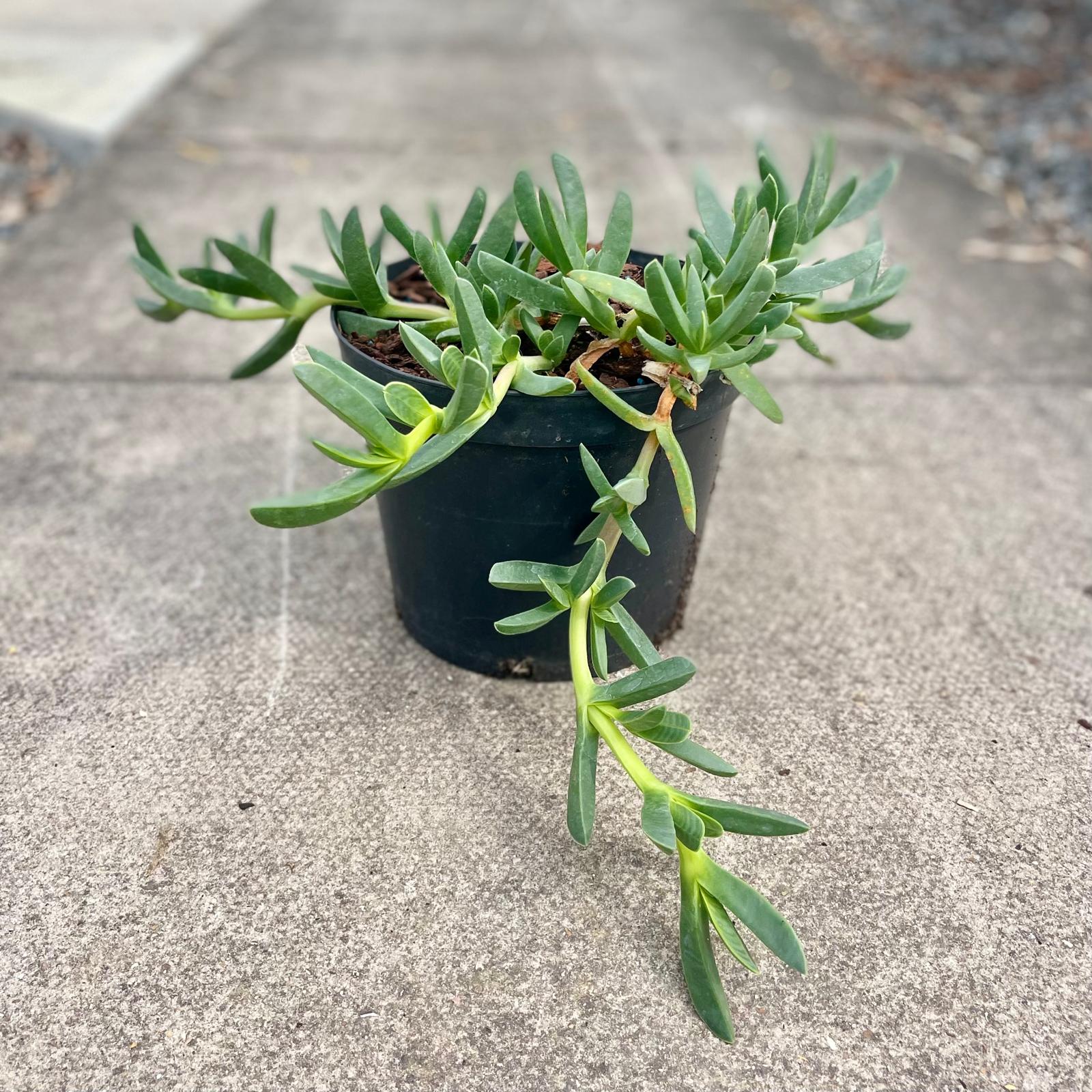
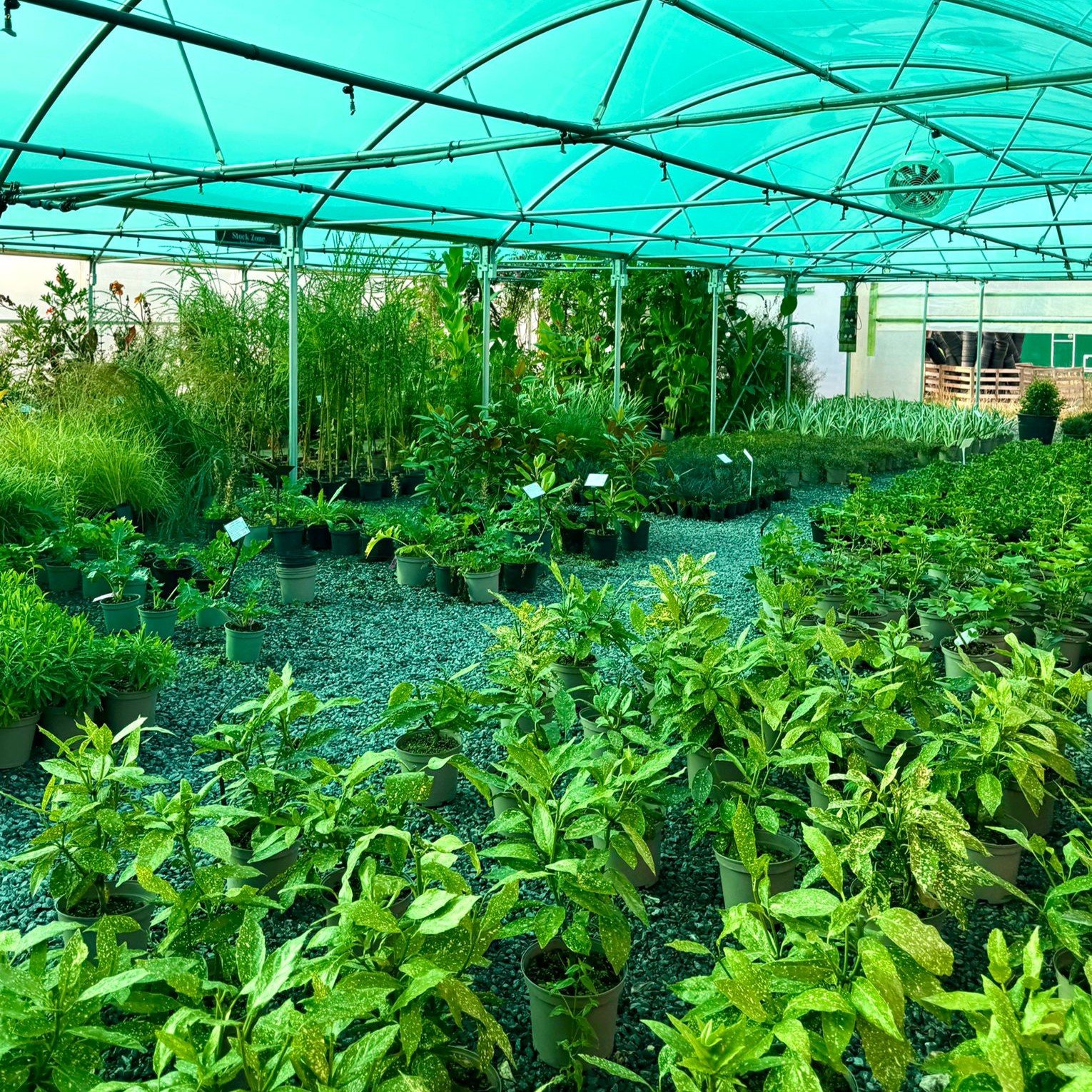
This is where all of the cuttings taken throughout late summer and autumn go to spend the winter. More tender plants such as Cannas and Bananas also overwinter in here.
Fog heads are used to increase the humidity inside of the house. We have 4 that produce fine water droplets that hang in the air for a long time. This helps reduce the transpiration in the cuttings while they are first developing roots. This increases the success rate in cuttings.
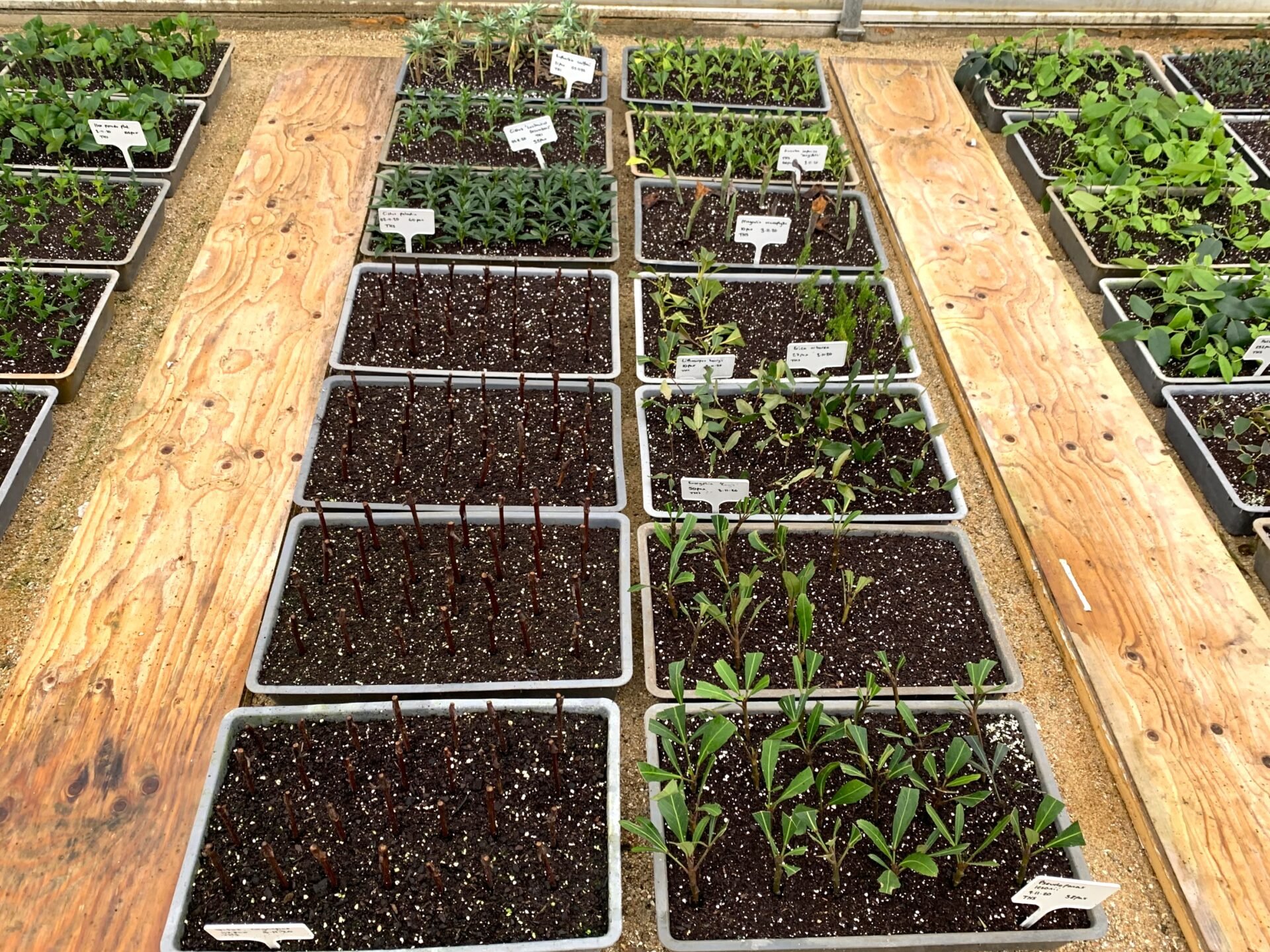
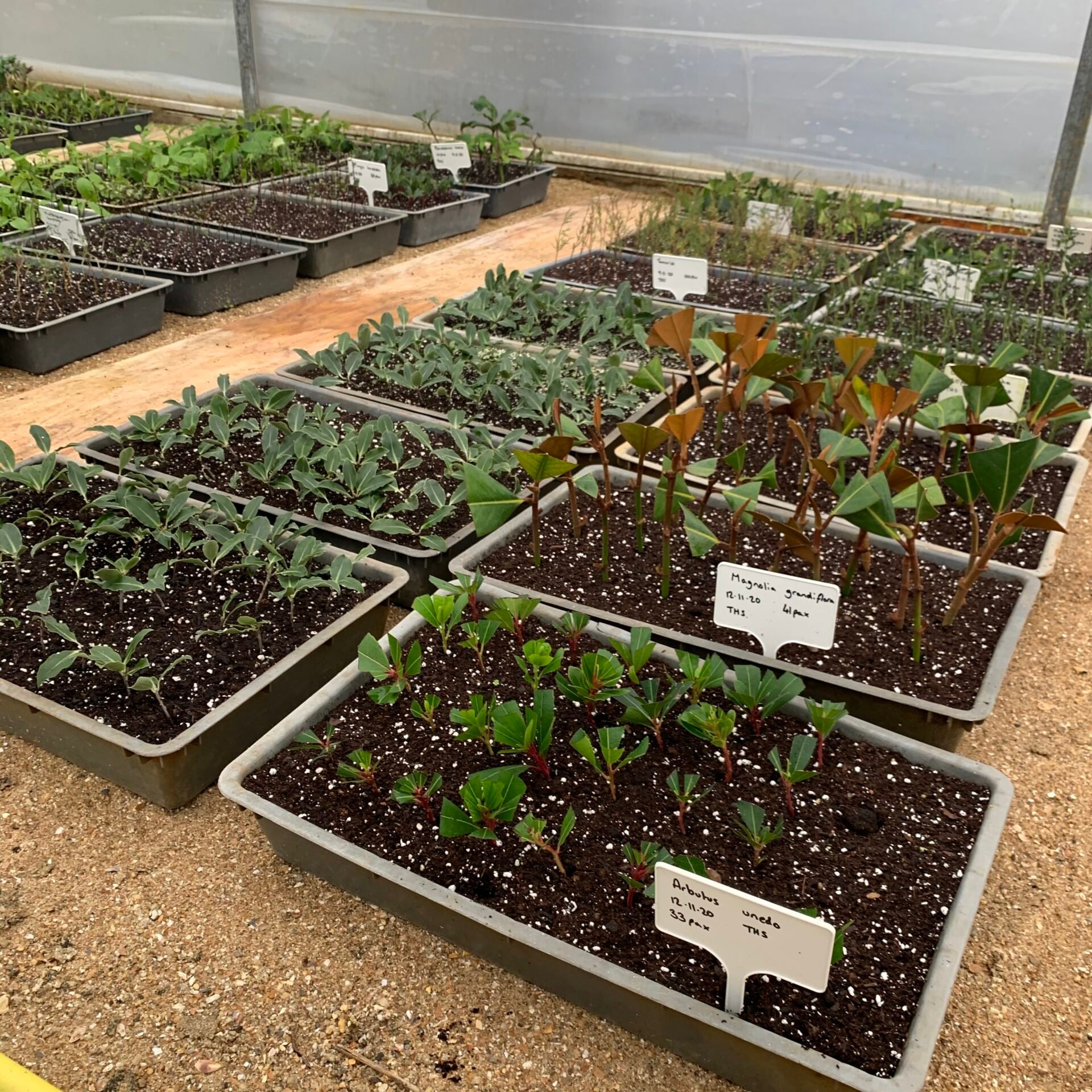
Underfloor heated water pipes allow heat to get directly to the base of the cuttings. This increases the metabolism and rate of cell division of cuttings in the areas under the soil that produce the first roots. This is a more efficient system. You don’t need to heat the whole room – just the targeted areas. The trays of cuttings also provide extra insulation, providing a stable temperature for the plants. This aids uniform growth in healthier plants.
The Liner House
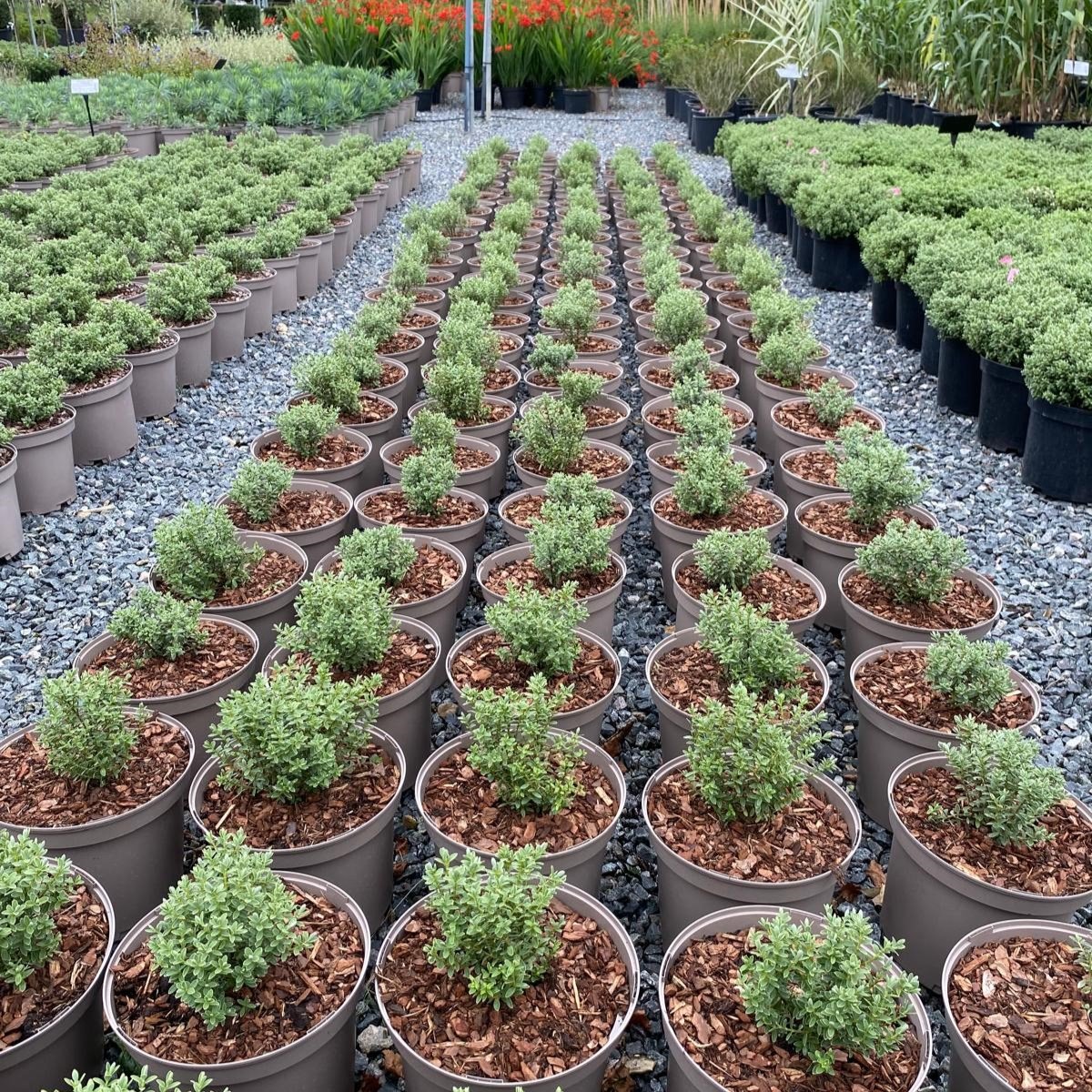
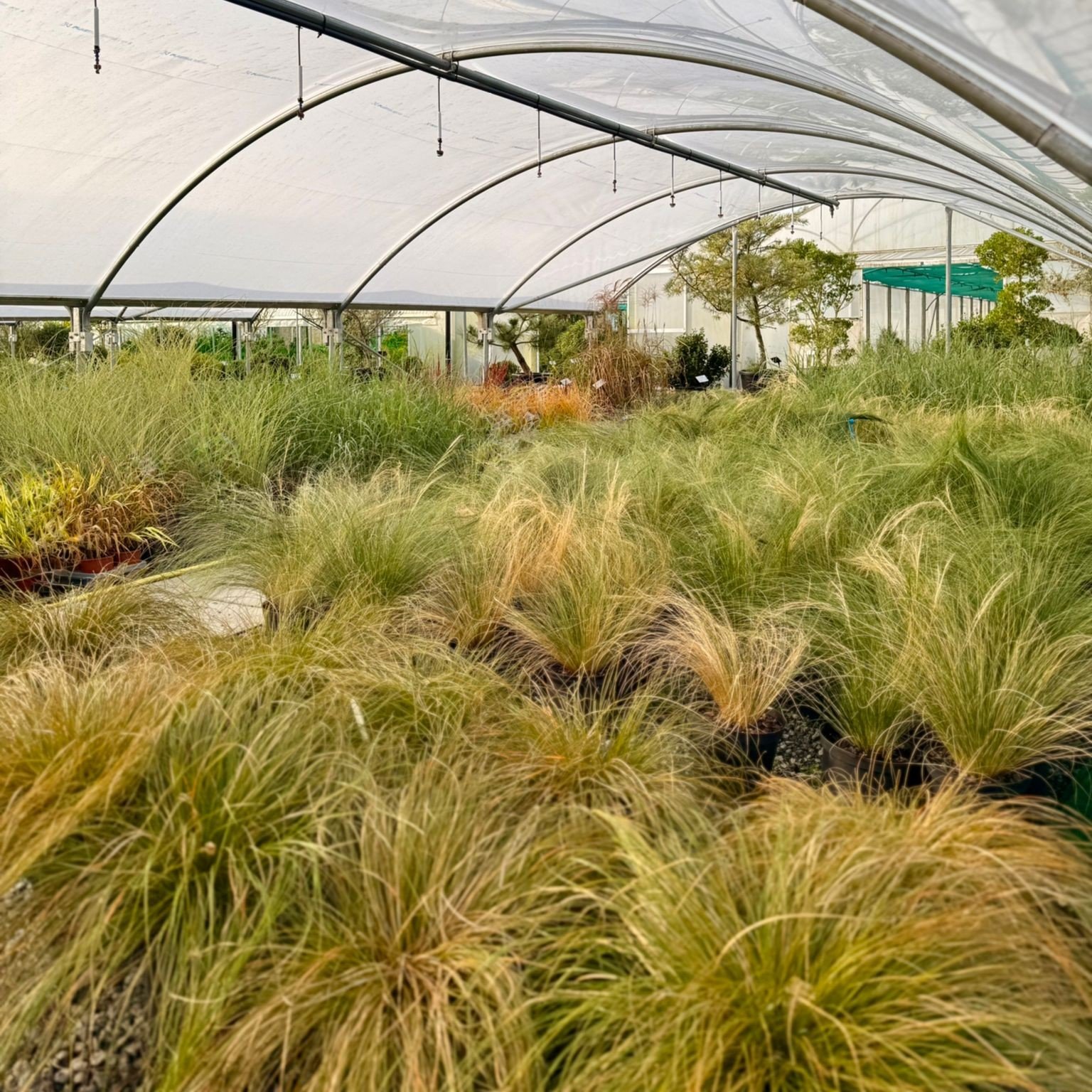
Our Liner House is where many of our young plants grow in strength before they are ready to take their place out in the wider nursery. It’s filled with carefully nurtured specimens that we’ve raised from seed, cuttings, and micropropagation in our laboratory. With the benefit of over 30 years’ experience, we’ve developed our own approach to growing that balances traditional methods with innovation. The liner house allows us to provide strong, healthy plants that carry the same character and quality you’ll find throughout the nursery.
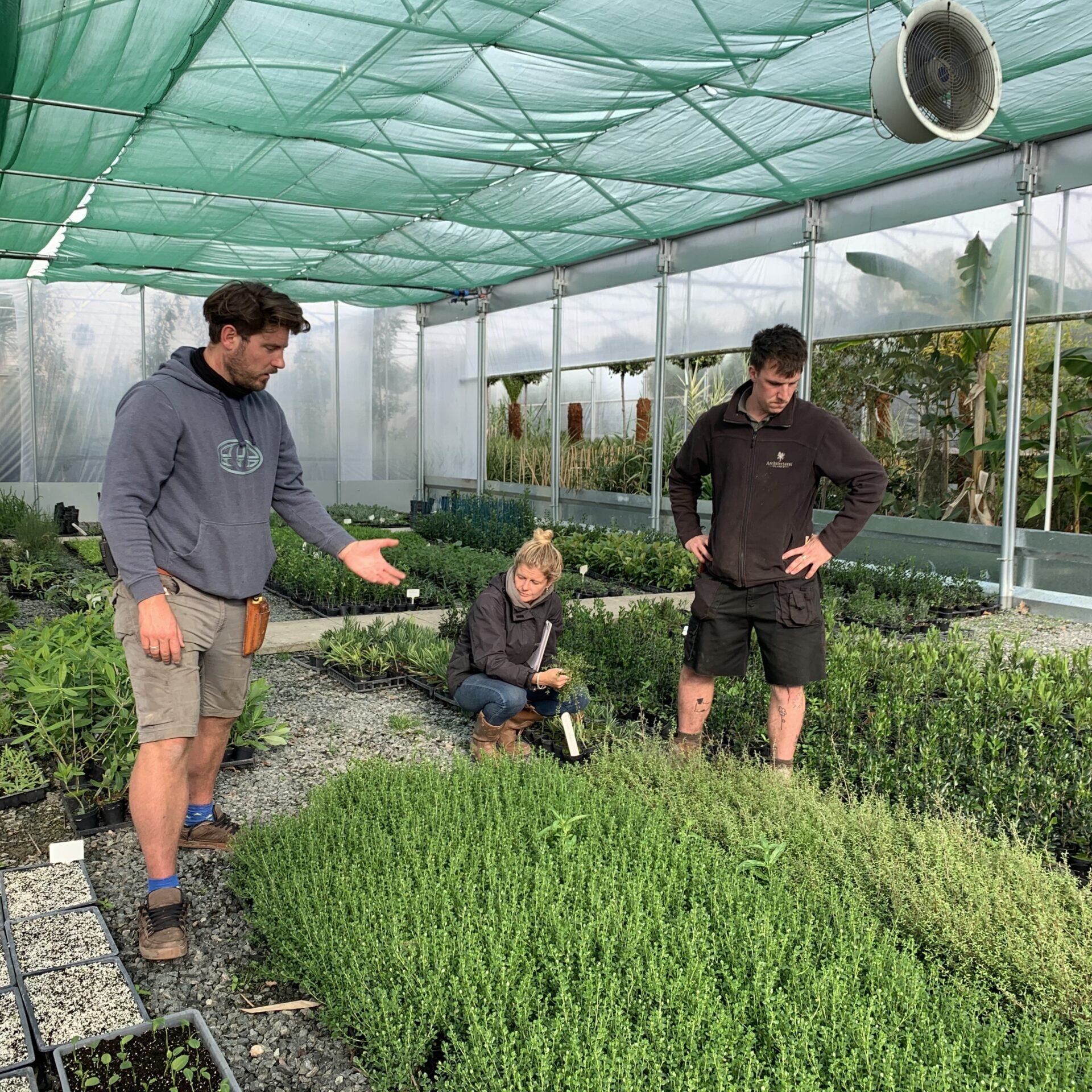
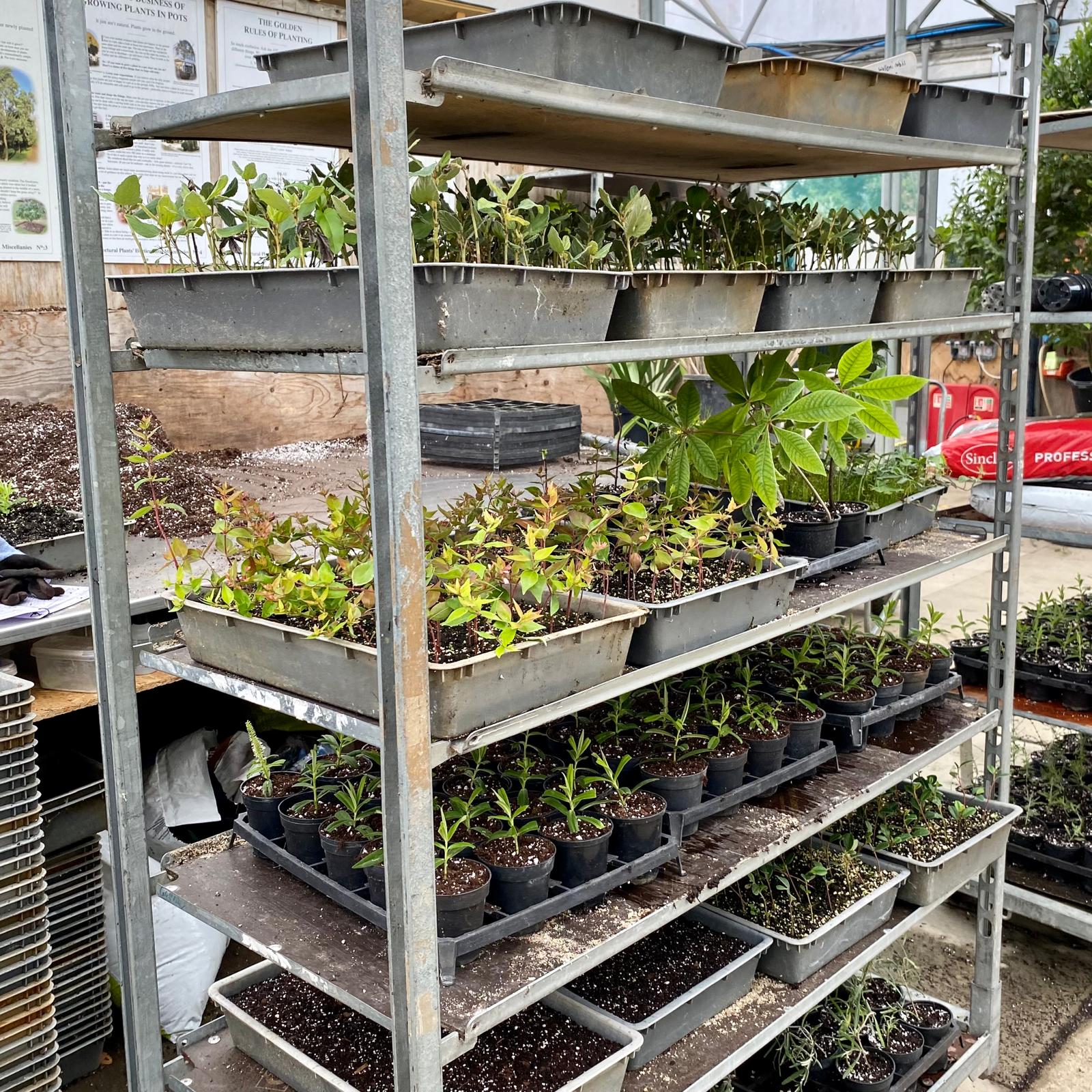
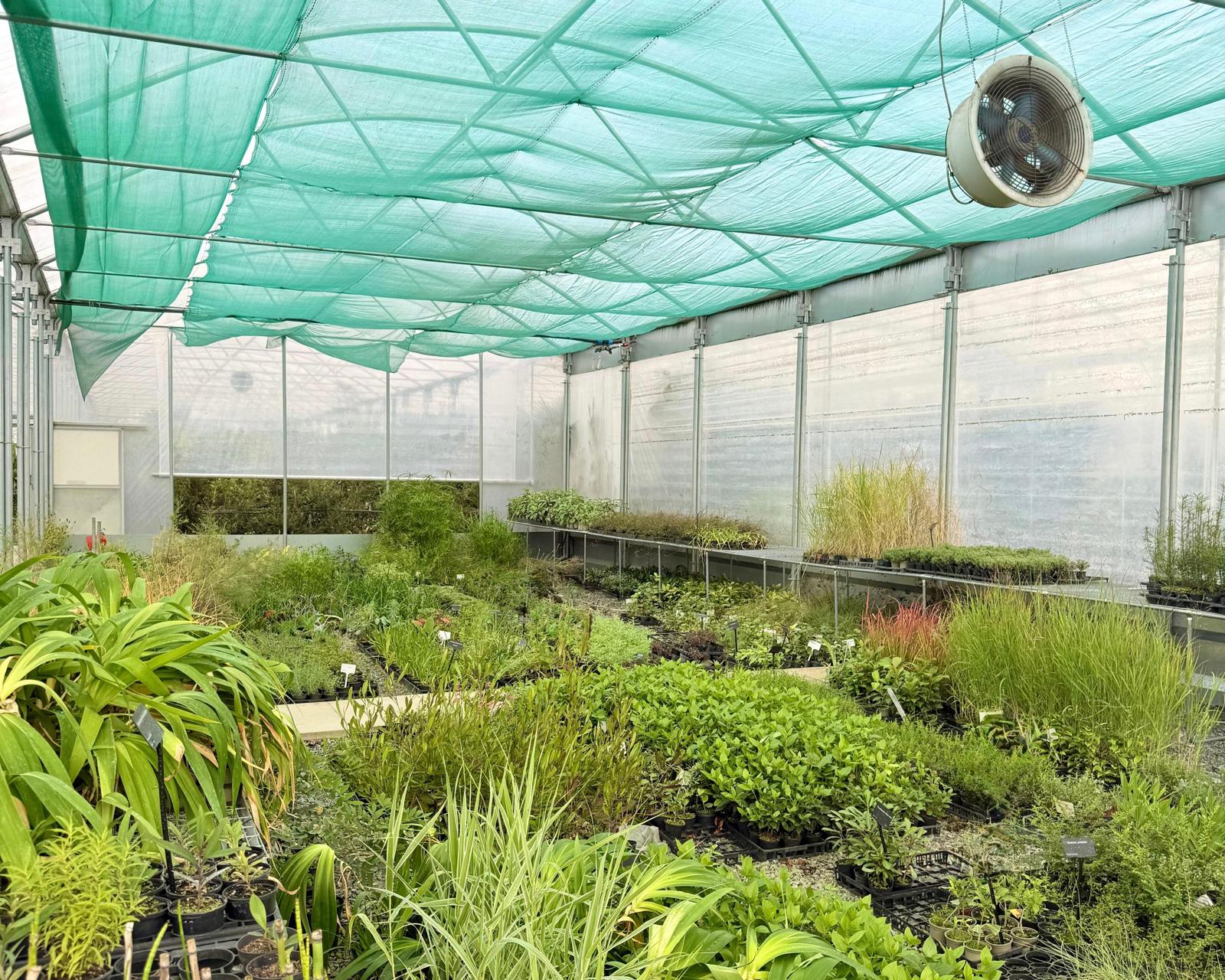
It is comprised of two main parts; the sand bed and the main growing space. The main growing space is then further broken up into segmented zones that make it easy to pair plants together that require similar care needs. This allows us to tailor care per section rather than per plant.
Learn with Us: The Homegrown Propagation Course
In 2025 we held our first Homegrown propagation course where attendees joined our propagation experts, Alex & Ieuan, for a hands-on morning discovering how to propagate a spectrum of exciting plants you can grow at home to enliven your garden. After the course, they enjoy a delicious lunch with wine and refreshments provided by The Secret Sussex Supper Club. We’ve more courses planned for 2026.
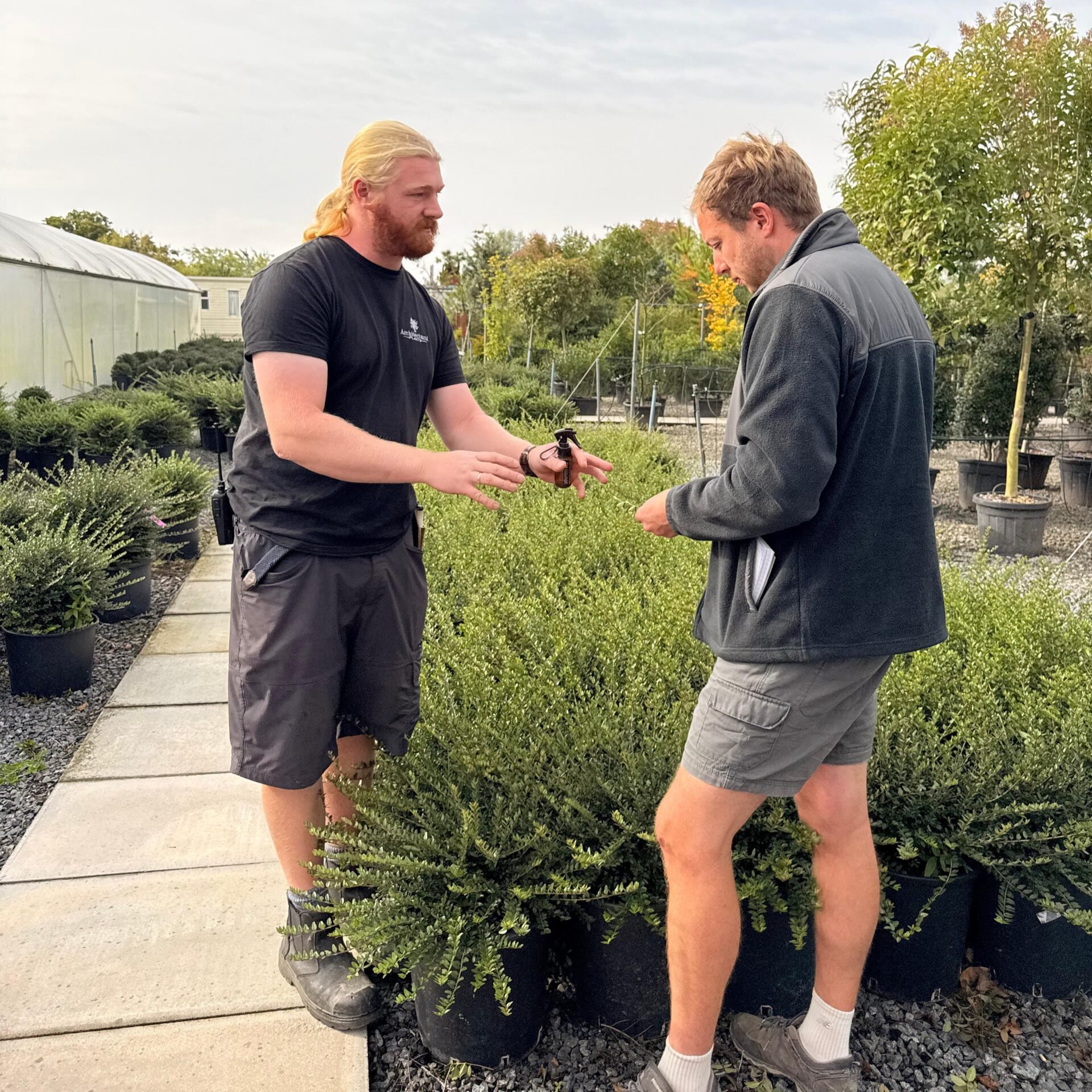
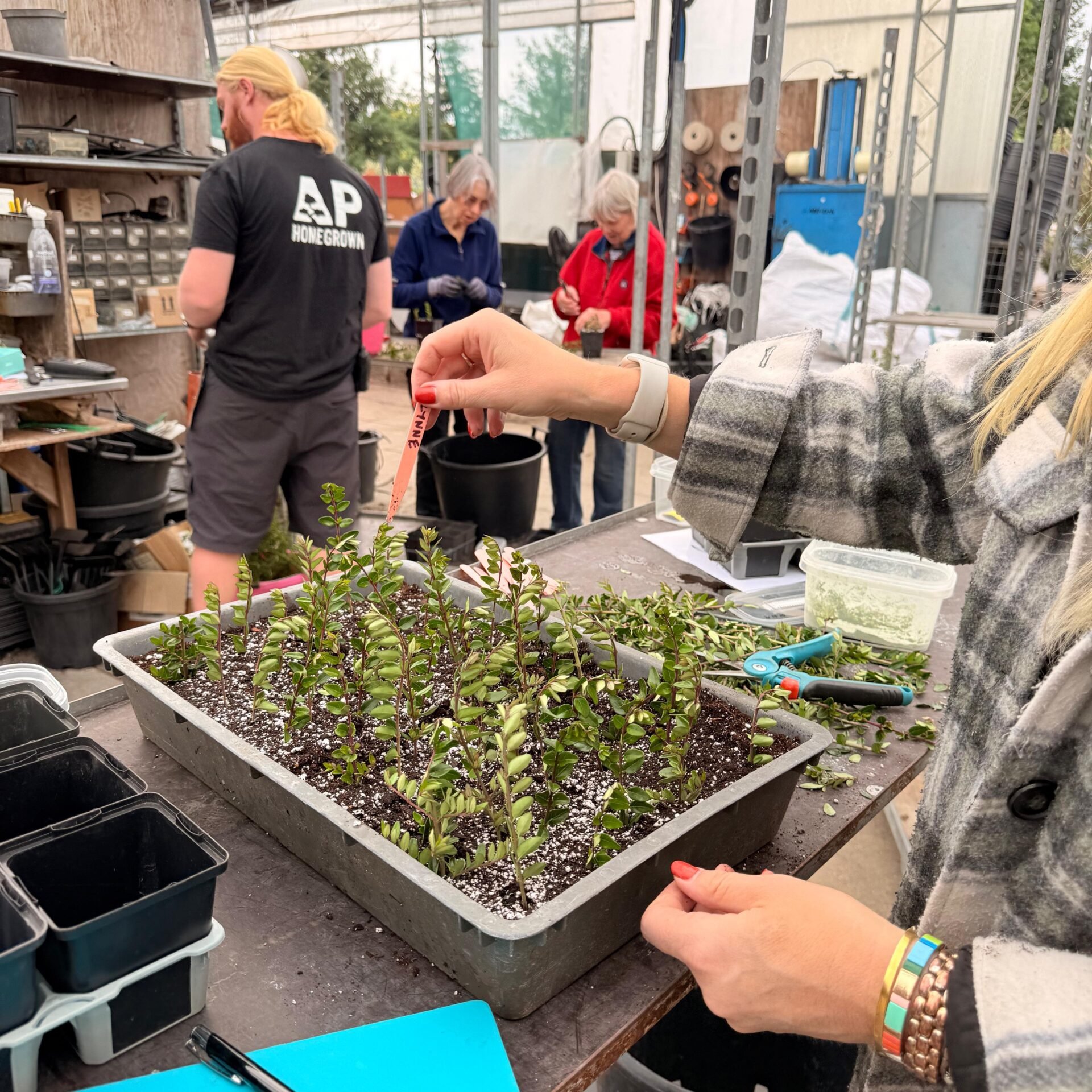
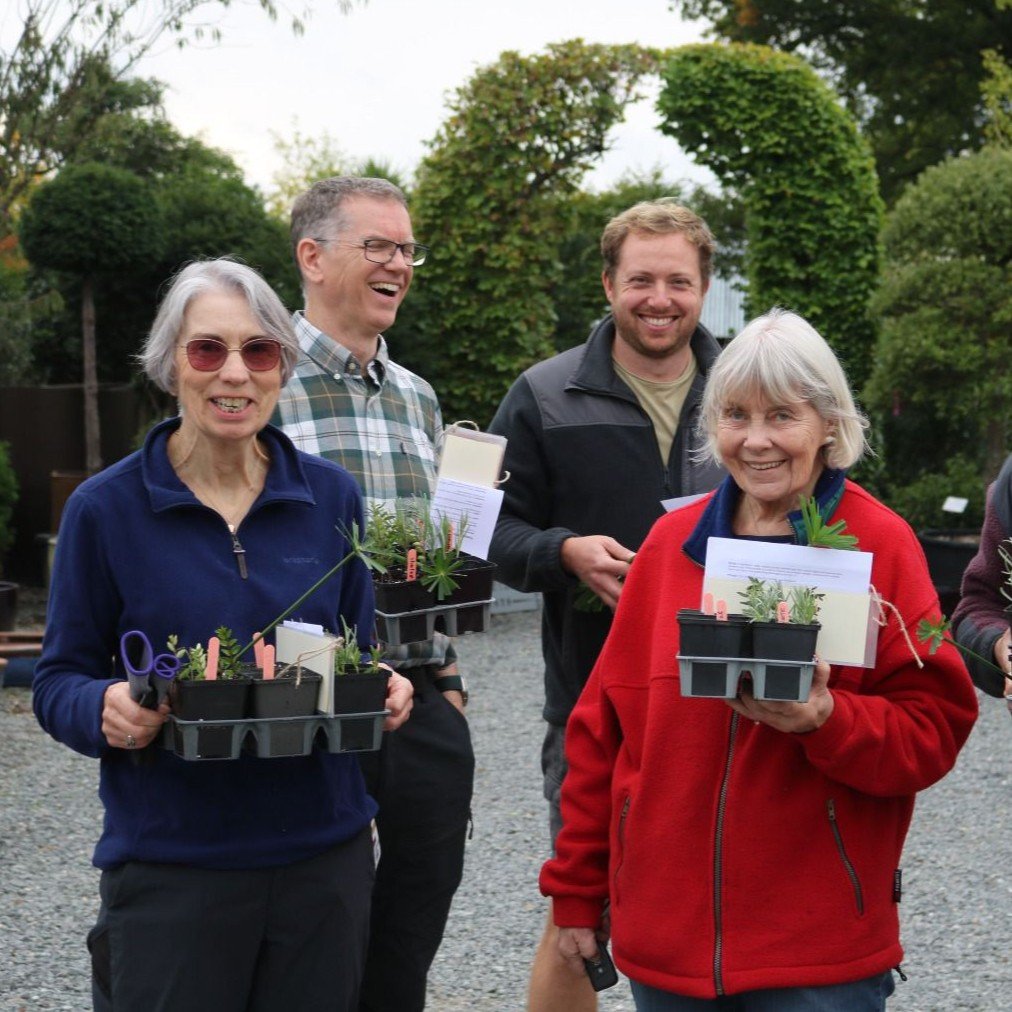
Throughout the day, you’ll explore the spaces that make our nursery unique — from the laboratory and mist beds to the fog tunnel and liner house — learning how we’ve developed our own style over 30 years of growing. You’ll even get to collect cuttings and seeds from our nursery and work with them directly. Expect to encounter fascinating plants like the Wollemia pine, hardy banana (Musa basjoo), Cyperus papyrus, Arundo donax, Lonicera nitida (a fantastic box alternative), Ceanothus, and lavender, to name just a few.
We’ll share practical advice on a wide range of propagation techniques that you can continue to use in your own garden. You’ll take home three of your own creations, plus enjoy 10% off all tools purchased on the day.
The Lake Garden
95% of our water is recycled
At Architectural Plants, sustainability is woven into the very fabric of the nursery — quite literally, from the ground up. The site was originally designed with a clever and efficient run-off and water recycling system, centred around a purpose-built lake. All excess water from rainfall and our irrigation system flows naturally back into the lake. Once returned to the lake, the water is stored, filtered and ready to be reused for irrigation. This eliminates our dependence on a mains water supply. This means around 95% of the water we use is recycled — an extraordinary figure for a nursery of our scale. Our filter and pump systems are powered from our solar panels (86 if you’re counting).
Explore The Lake Garden
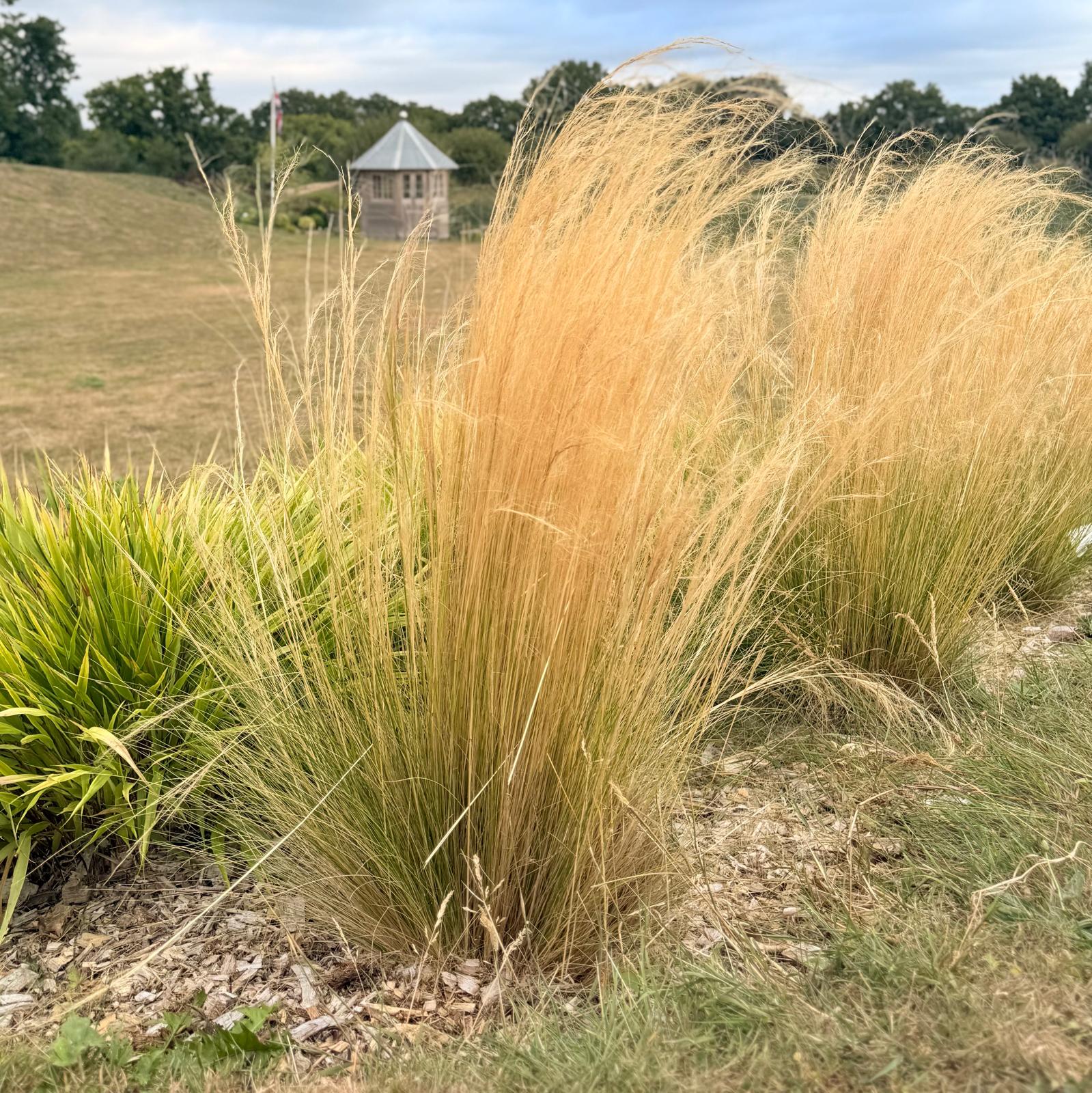
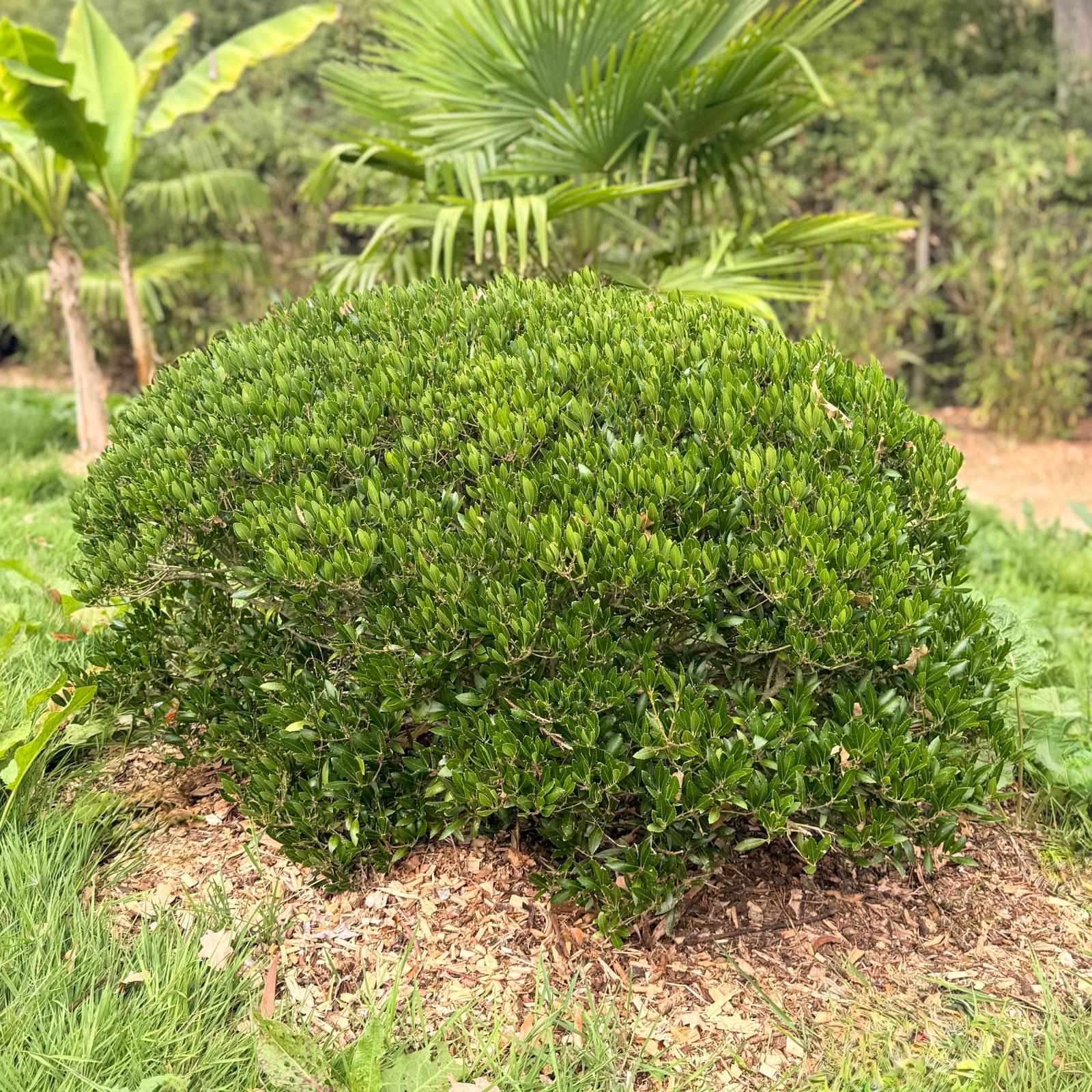
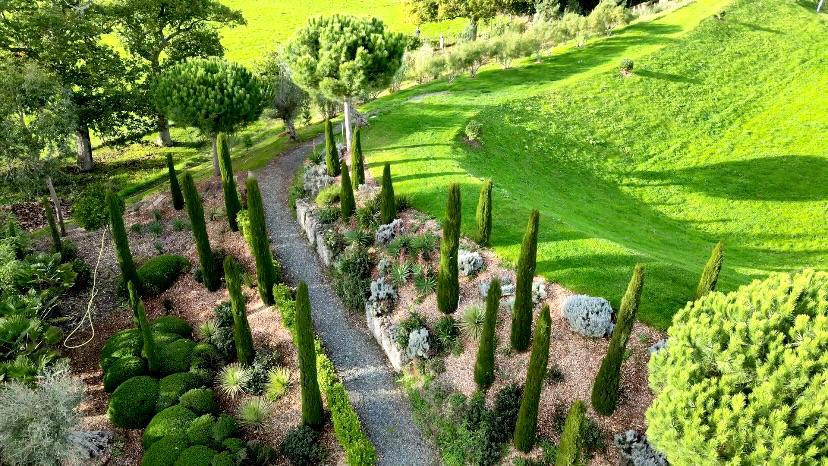

Every drop counts, and we’re very proud that we’re able to care for thousands of plants while keeping our environmental footprint low. The lake system isn’t just practical, it’s beautiful, teeming with wildlife, and a reminder that great design can work in harmony with nature.
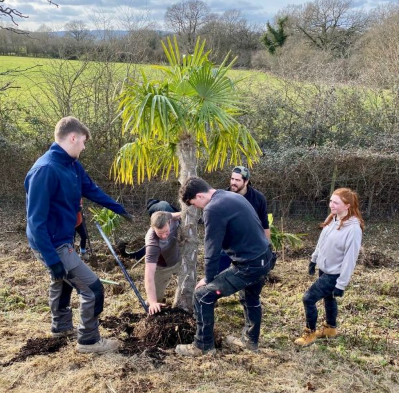
Many of the trees and shrubs we grow on-site don’t just head out to customers’ gardens — they also feature in the stunning gardens right here at the nursery. Our Head Gardener, Colin, has poured countless hours into developing our Wilderness Garden, a living showcase of what our plants can become once they’ve settled into a mature landscape. Visitors can wander through and see the very same species we grow and sell, thriving in a natural setting and surrounded by wildlife. It’s not just a beautiful space for customers, but also a vital learning ground for our apprentices, who work alongside Colin to plant, maintain, and nurture the gardens. Through this hands-on experience, they gain invaluable practical skills and a deeper understanding of the plants that make Architectural Plants so special.
AP Homegrown
Growing The Next Generation
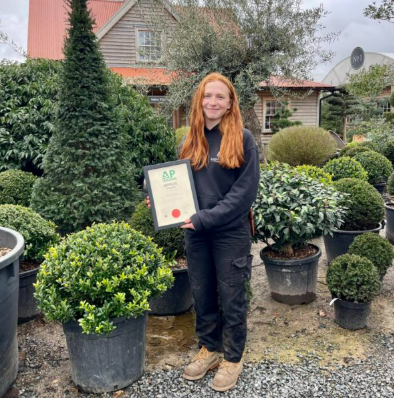
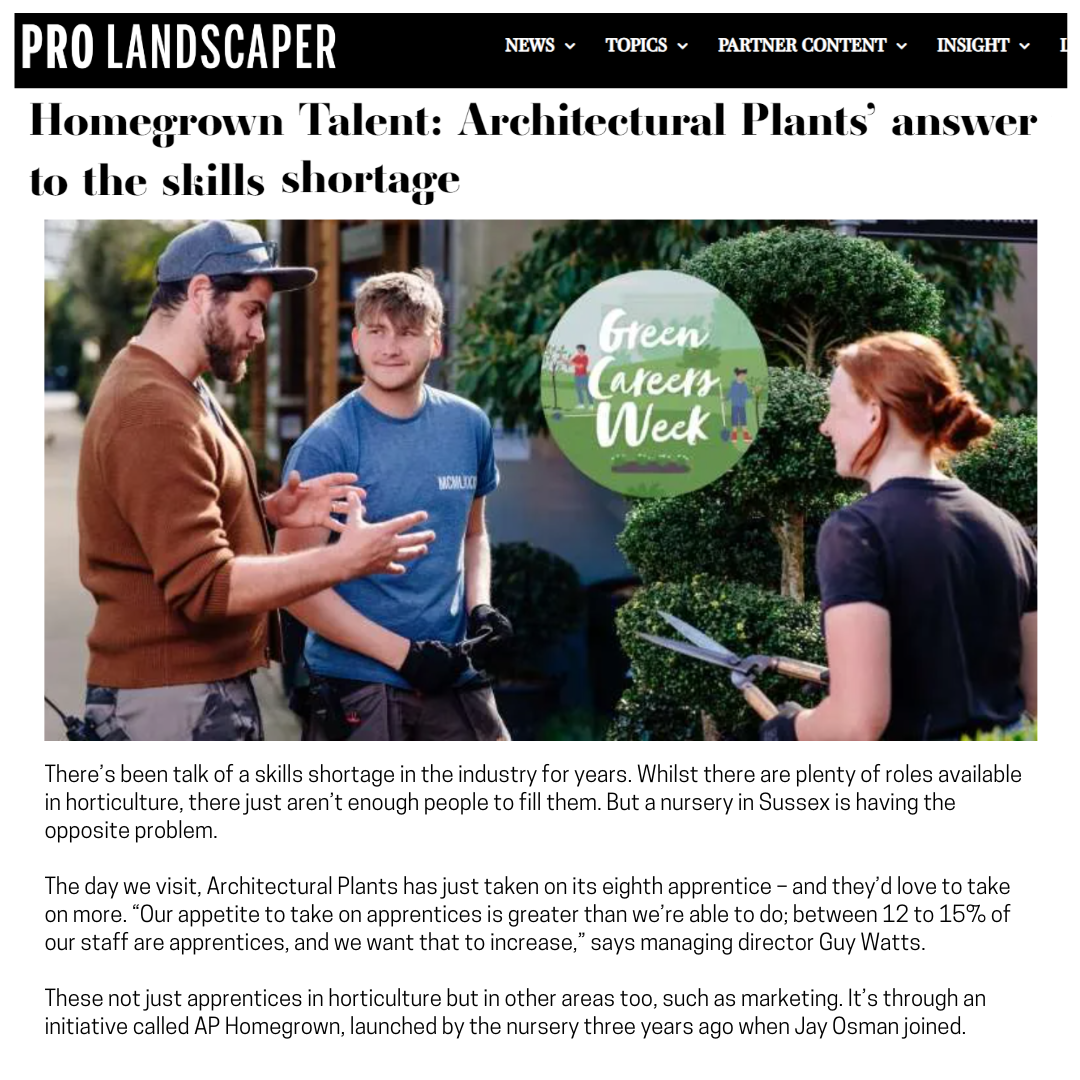
We are proud to run our AP Homegrown Apprenticeship Scheme — a programme dedicated to nurturing young talent through practical training and one-to-one mentoring. Our apprentices are immersed in every aspect of nursery life, from propagation and plant care to garden design and maintenance, giving them a well-rounded foundation for a career in horticulture. This blend of creativity, skill, and real-world experience is what makes the scheme so unique. Their enthusiasm and hard work have made a considerable contribution to our exhibit this year, and we look forward to celebrating their achievements with you.