
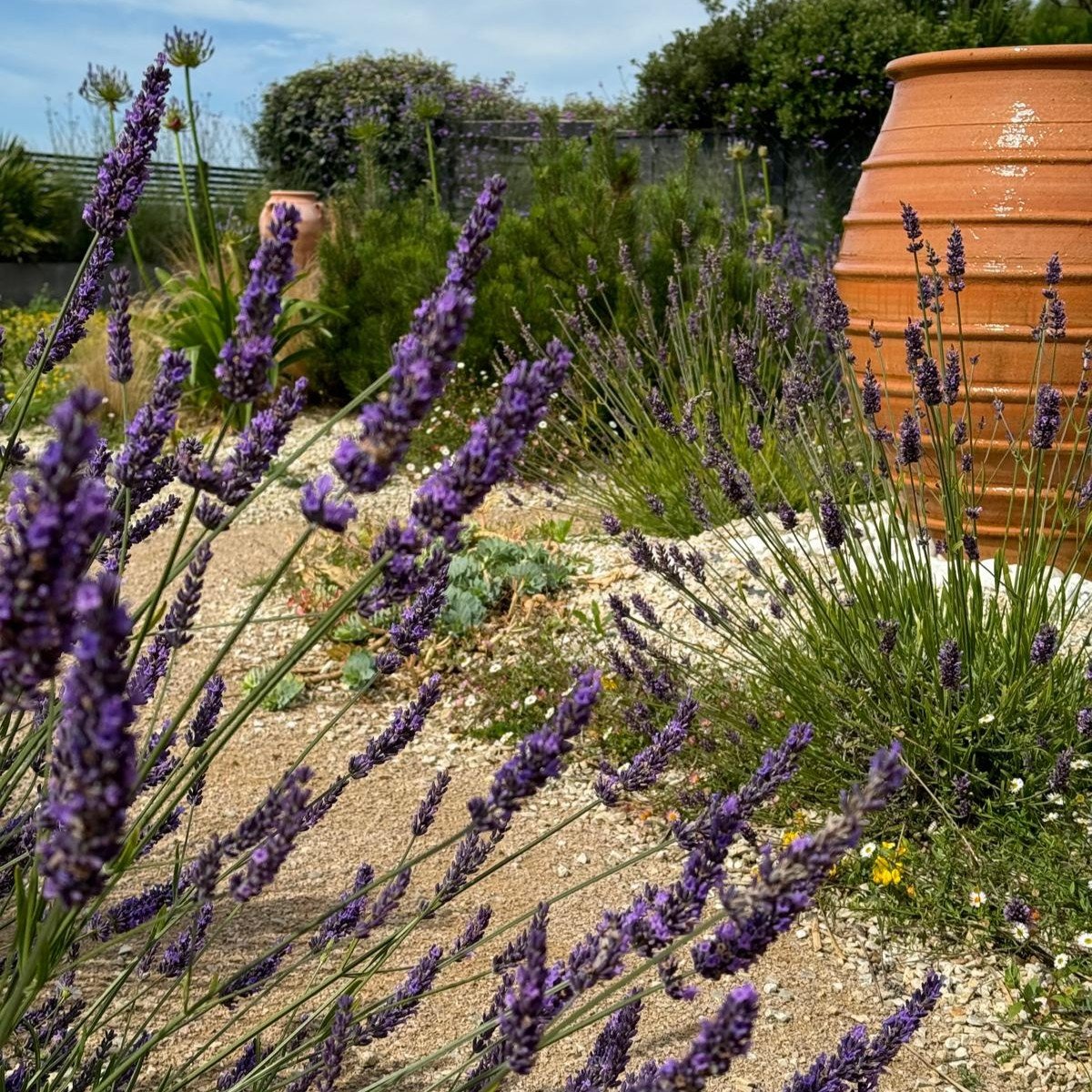
Lavandula angustifolia ‘Hidcote’
£12.50 incl. VAT
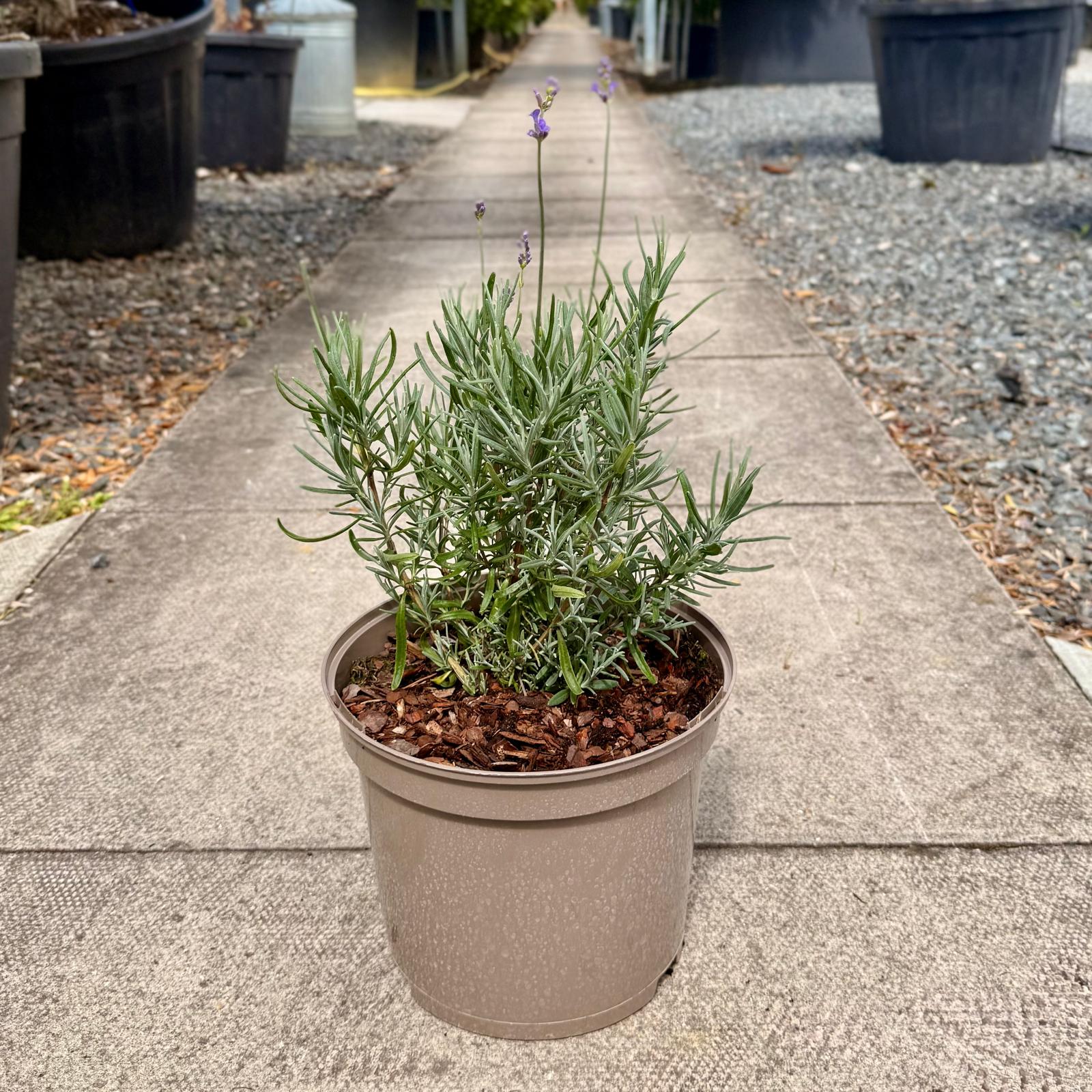
Understandably, ‘Hidcote’ is one of the most popular and best known of the English lavenders. It has strongly grey-green leaves that form a neat dense bush with sturdy spikes of particularly dark lavender flowers that are adored by butterflies and bees.

Hardiness level Green
It was introduced by Lawrence Johnston in 1932, who named it after his beloved Arts and Crafts garden in the Cotswolds. It immediately received the RHS award of garden merit and in 2002, the award was reconfirmed despite all subsequent varieties introduced during the intervening 70 years.
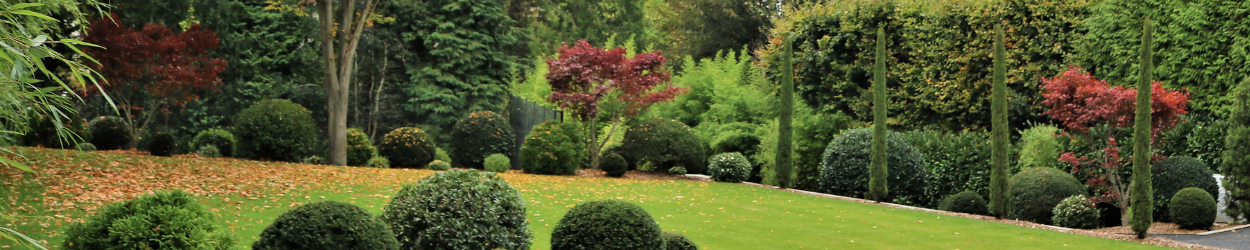
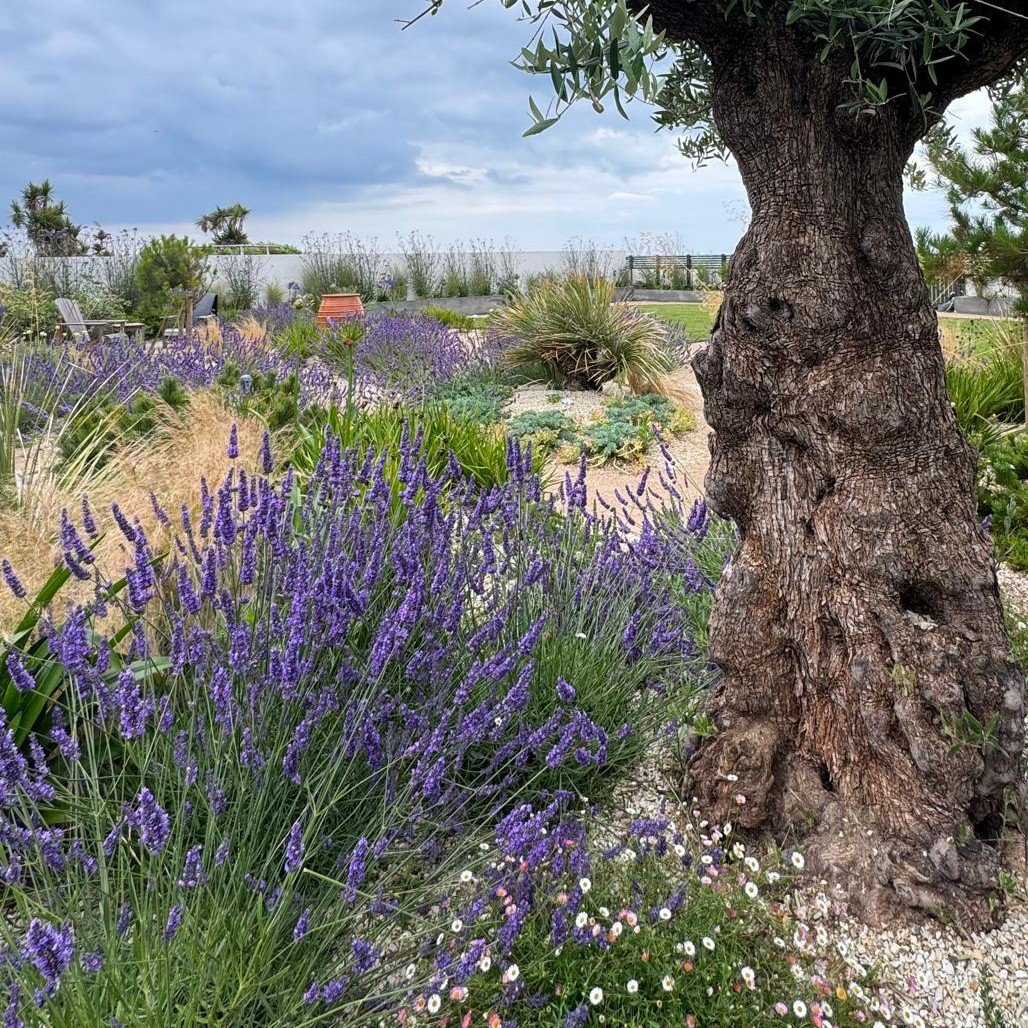
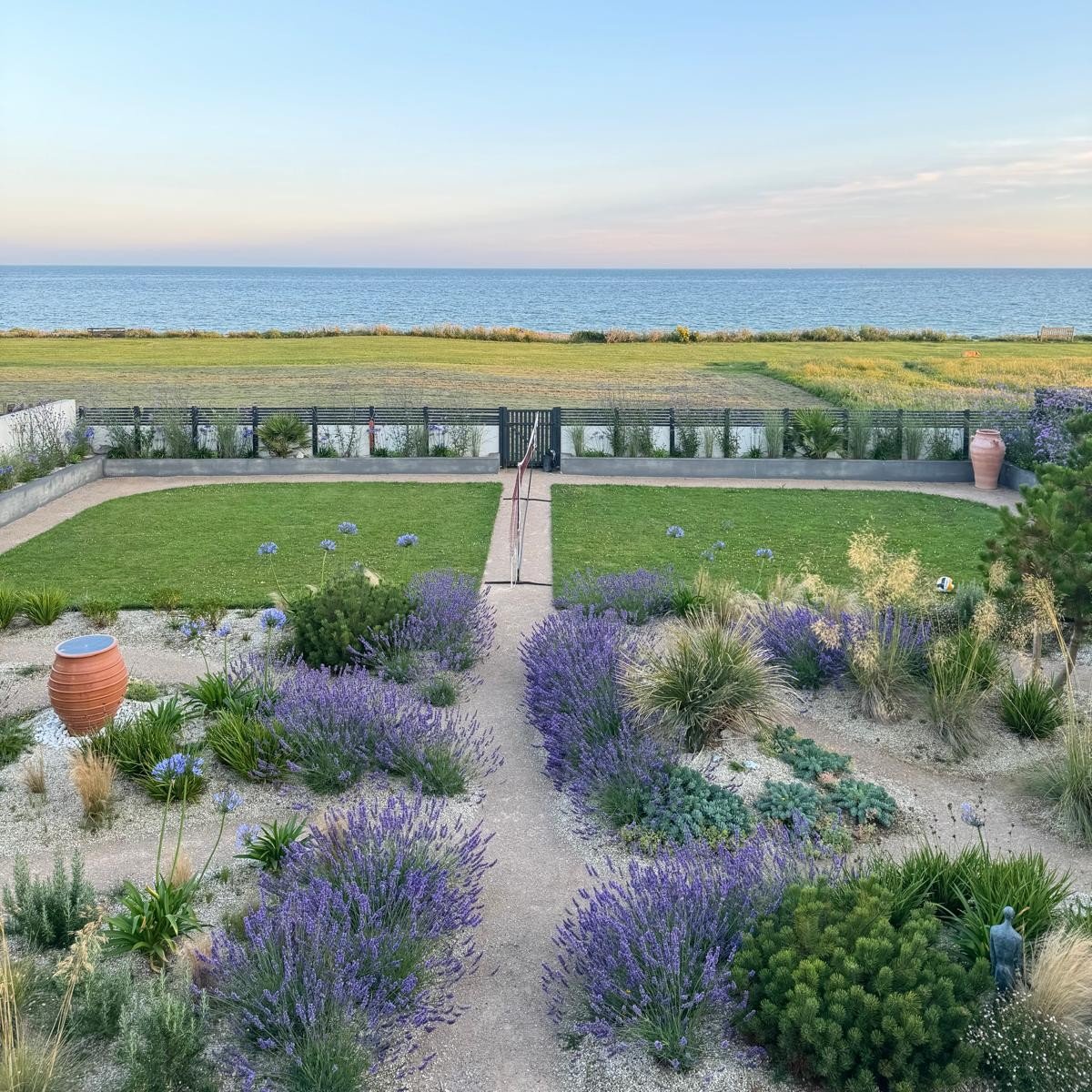
Lavender is a real summer staple for both classic and contemporary garden design as well as cottage gardens, whether grown as an informal hedge, or used to fill beds, it is perfect for edging a path, is happy in pots and containers or to add some contrast to rock garden or border plantings.
Lavenders need really well drained soil that is not too rich, and a south or westerly facing position in full sun - think Mediterranean. They are hardy and can be long lived if the conditions are right, but in less than ideal spots they may need replacing every few years. It is really important to prune lavenders after flowering, clipping off all the spent stems and a centimetre or two of the foliage since not pruning will cause the clump to become leggy, open and shapeless, however they don't regenerate well if the pruning is too harsh and ends up cutting into the old wood. Clumps can grow to 60cm x 60cm over three or four years.
Though lavender was probably introduced to these shores by the Romans, it has been around for so much longer than that - the Biblical ‘spikenard' is what we now know as lavender. The flowers are a natural antiseptic and can be dried and used to deter clothes moths, scent laundry or be included in pot-pourri, and the world would be a poorer place without lavender oil for use in perfumes and soap making.
Additional Information |
|
|---|---|
| Size | |
| Soil Type | Chalk, Clay, Dry / Well Drained, Loam, Moist / Well Drained, Sandy |
| Continent of Origin | |
| Features | |
| Flower Colour | |
| Situation | Coastal, Exposed (To wind and sun), Mild City Gardens, Plants for Pots, Sheltered Garden |
| Specialist Plants | |
| Hardiness | |
FAQs
HOW FAST DOES PLANT GROW?
Roughly 20cm. annually depending on site and conditions.
HOW DO YOU TAKE CARE OF PLANT'?
Water until established. Clip after flowering removing only 2cm of foliage.
HOW TALL DOES PLANT GROW?
Roughly 60cm.
DOES PLANT PREFER SUN OR SHADE?
Sun.
IS PLANT AN INDOOR OR OUTDOOR PLANT?
Outdoor.
IS PLANT SUITABLE FOR HEDGING?
Yes, excellent as a low informal hedge.
CAN PLANT BE GROWN IN POTS OR CONTAINERS?
Yes.
IS PLANT TOXIC TO PETS?
No.