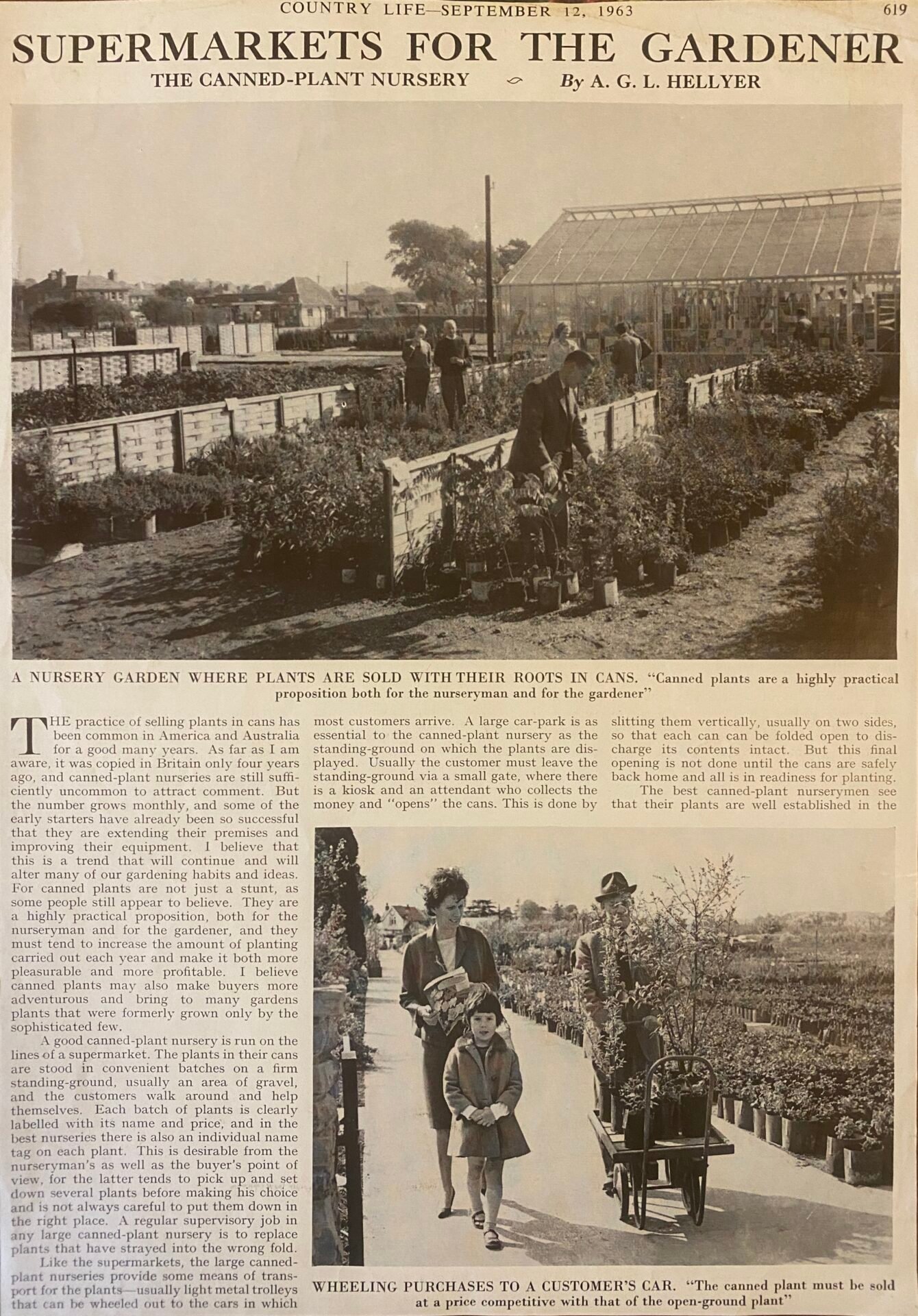
A fascinating article taken from Country Life Magazine – September 12, 1963.
SUPERMARKETS FOR THE GARDENER – THE CANNED-PLANT NURSERY. A NURSERY GARDEN WHERE PLANTS ARE SOLD WITH THEIR ROOTS IN CANS.
“Canned plants are a highly practical proposition both for the nurseryman and for the gardener.”
The practice of selling plants in cans has been common in America and Australia for a good many years. As far as I am aware, it was copied in Britain only four years ago, and canned-plant nurseries are still sufficiently uncommon to attract comment. But the number grows monthly, and some of the early starters have already been so successful that they are extending their premises and improving their equipment. I believe that this is a trend that will continue and will alter many of our gardening habits and ideas.
For canned plants are not just a stunt, as some people still appear to believe. They are a highly practical proposition, both for the nurseryman and for the gardener, and they must tend to increase the amount of planting carried out each year and make it both more pleasurable and more profitable. I believe canned plants may also make buyers more adventurous and bring to many gardens plants that were formerly grown only by the sophisticated few.
A good canned-plant nursery is run on the lines of a supermarket. The plants it offers are stood in convenient batches on a firm standing-ground, usually an area of gravel, and the customers walk around and help themselves. Each patch of plants is sensibly labelled with its name and price, and in the best nurseries there is also an individual name tag on each plant. This is desirable from the nurseryman’s as well as the buyer’s point of view, for the latter tends to pick up and set down several plants before making his mind up, and is not always careful to put them down in the right place. A regular supervisory job in any large canned-plant nursery is to replace plants that have strayed into the wrong fold.
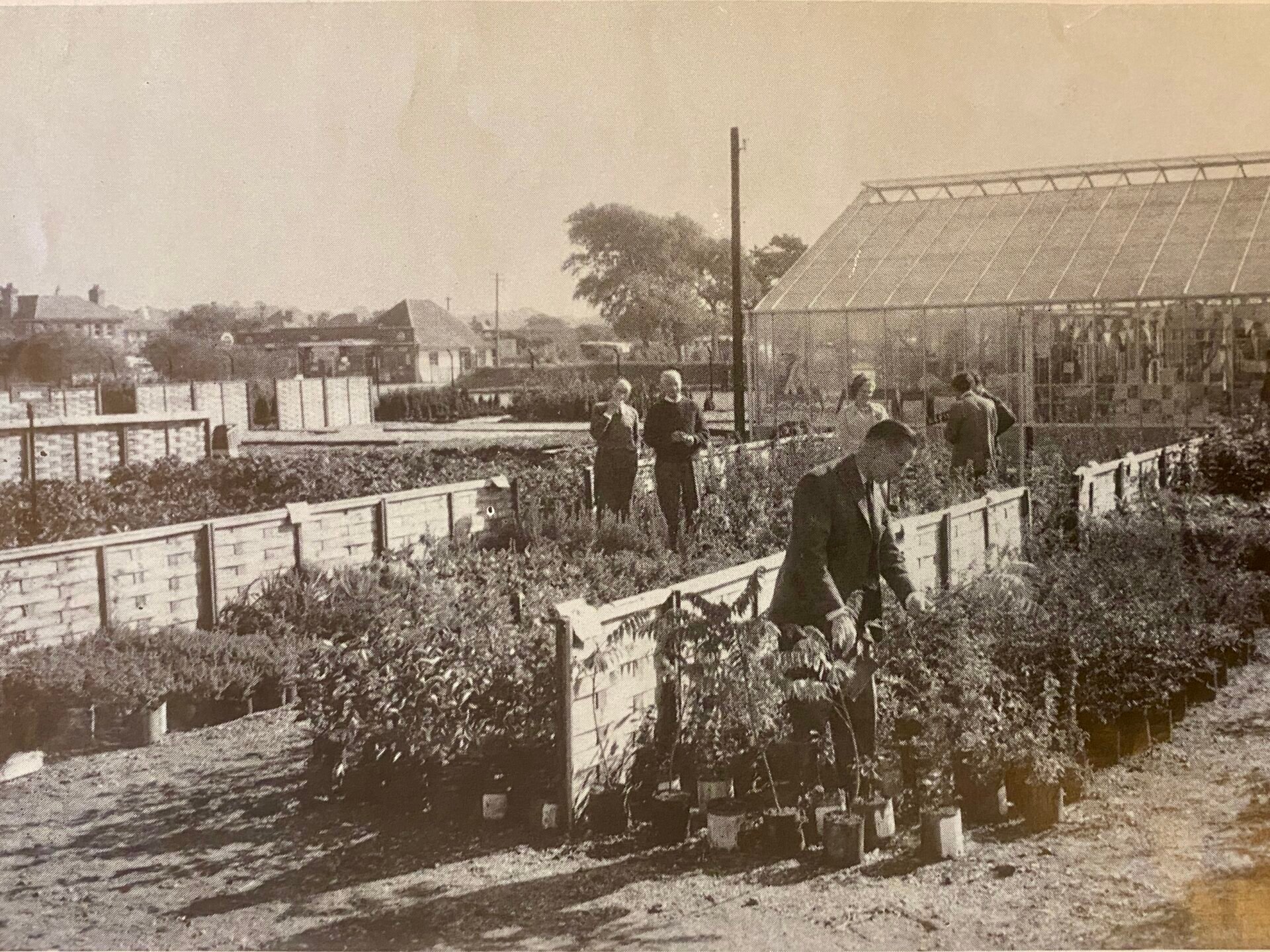
“Canned plants are a highly practical proposition both for the nurseryman and for the gardener.”
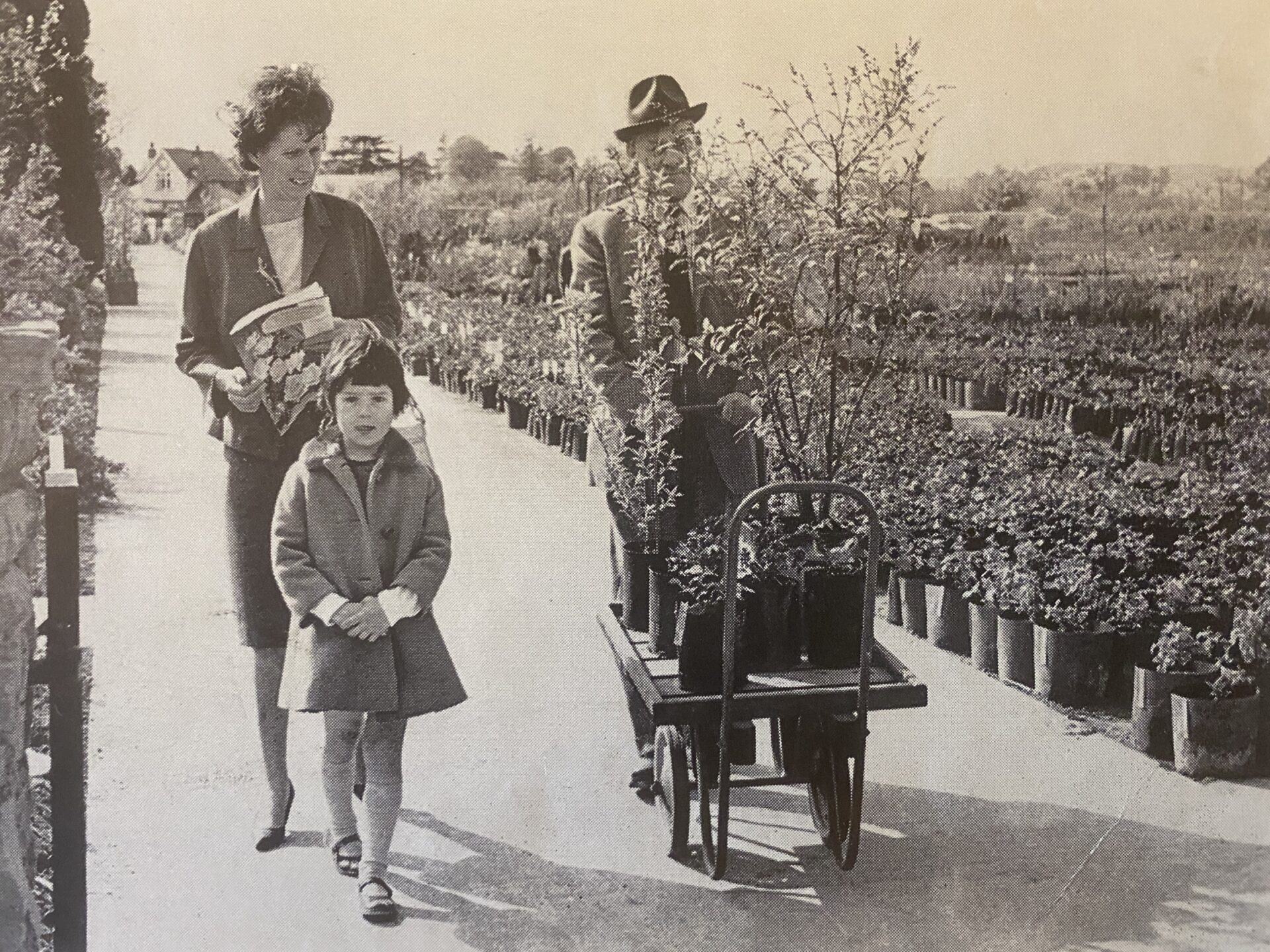
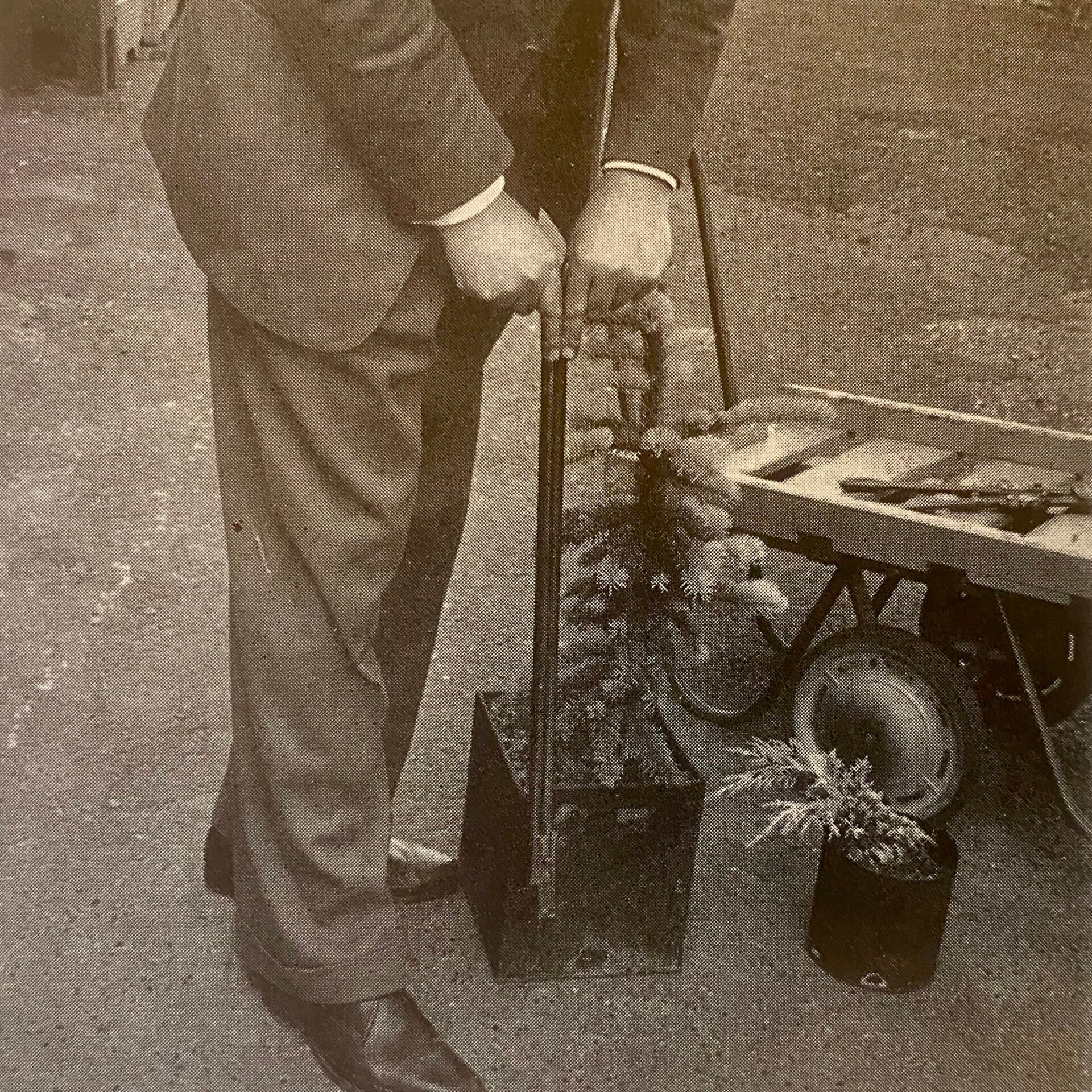
Like the supermarkets, the large canned-plant nurseries provide some means of transport for the plants — usually light metal trolleys that can be wheeled out to the cars in which most customers arrive. A large car-park is essential to the canned-plant nursery as a standing-ground on which the plants are displayed. Usually the customer must leave the standing-ground at the small gate, where there is a kiosk and an attendant who collects the money and “opens” the cans. This is done by slitting them vertically, usually on two sides, so that each can can be folded open to discharge its contents intact. But this final opening is not done until the cans are safely back home and all is in readiness for planting.
The best canned-plant nurserymen see that their plants are well established in the cans before they are sold. This is important because, if they are still too assimilated, much of the soil will fall off the roots however carefully the cans are opened. But if all the soil is bound around with roots it will be quite easy to get the plants in with minimum disturbance. This reduces the risk of loss. It also greatly lengthens the planting season; indeed, there is really no closed season for planting from cans, though it is common sense to avoid periods of intense cold or wet. Nevertheless, one highly successful nursery reported continuous sales throughout the unprecedented severe weather of last January and February — a period at which all work on conventional open-ground nurseries was at a standstill.
There will always be a great number of people who dislike gardening in cold weather. There are many more who, for sheer lack of time, are unable to do as much gardening as they would like during the short days of autumn and winter. Canned plants are a boon to both, enabling them to continue planting almost anything they wish throughout the spring and summer.
There is another advantage in this: purchases can be made when the plant is actually in flower or leaf, and the buyer can be satisfied that it is really what is wanted. It is this that makes me believe that buyers of canned-plants will become more adventurous. I was surprised to see in one nursery good stocks of some quite unusual plants, such as the climbing hydrangea and the sweet gum. I asked the proprietor whether his customers really knew these plants, and he thought that many did not, but bought them on sight because they liked their look.
There is obviously a great deal of impulse buying at all canned-plant nurseries, and it must increase sales considerably. Full advantage can also be taken of the buyer’s desire to spend money when it is available. No doubt the really experienced gardener plans everything well ahead and may feel a certain contempt for the man who buys plants simply because he has a spare pound note in his waistcoat pocket. But even the most committed gardener must admit that there was a time when he had not fallen under the spell of gardening. It may be that the chance purchase of a plant or two at a canned-plant nursery will set yet another gardener on his way.
I am constantly asked by the public for plants in cans. In fact, it is rare they are not so grown, some nurserymen having made their own containers out of bitumen-treated cardboard. But old tins of all descriptions provide a cheap and efficient way of keeping plants when they cannot be pricked out into the open beds without loss through the weather or theft from the standing-ground.
Cheapness is important because, to be really attractive, the canned plant must be sold at a price competitive with that of the open-ground plant. The nurseryman must carry the cost of the containers and the labour of “potting” the plants. Against this he can set some considerable economies. He carries on a cash trade with no booking or invoicing and no bad debts. He can also grow more plants per acre of land, for canned plants can be placed closer together than plants growing in the open ground.
The principal drawbacks of cans are that they are rather unsightly, as they inevitably rust to some extent, and that, when slit, they have sharp edges that can cut the hands. Maybe someone will invent a plastic container that has neither of these drawbacks and is cheap enough to be competitive (one nurseryman told me that 5d was the maximum he could afford to pay for a container), but so far this has not been done.
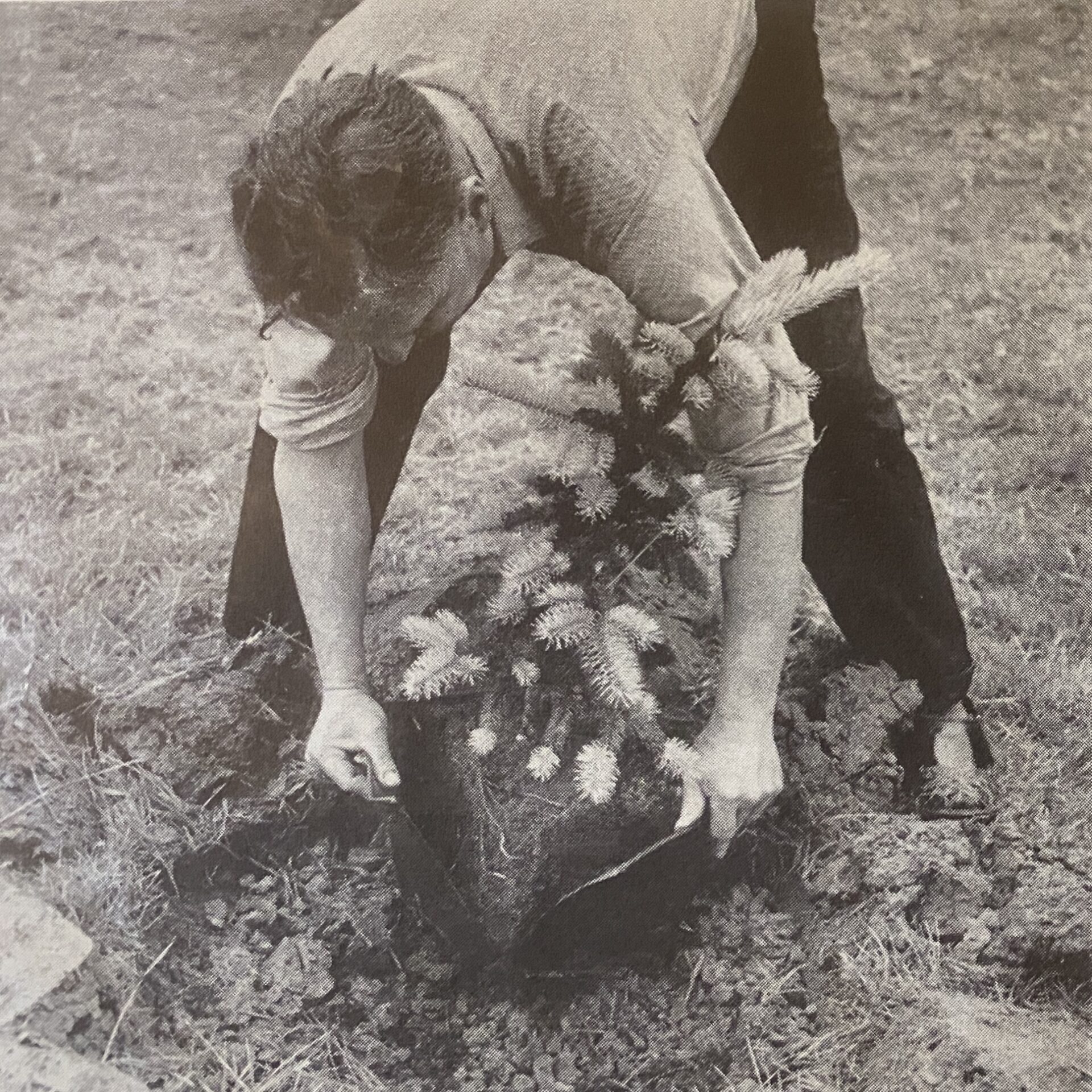
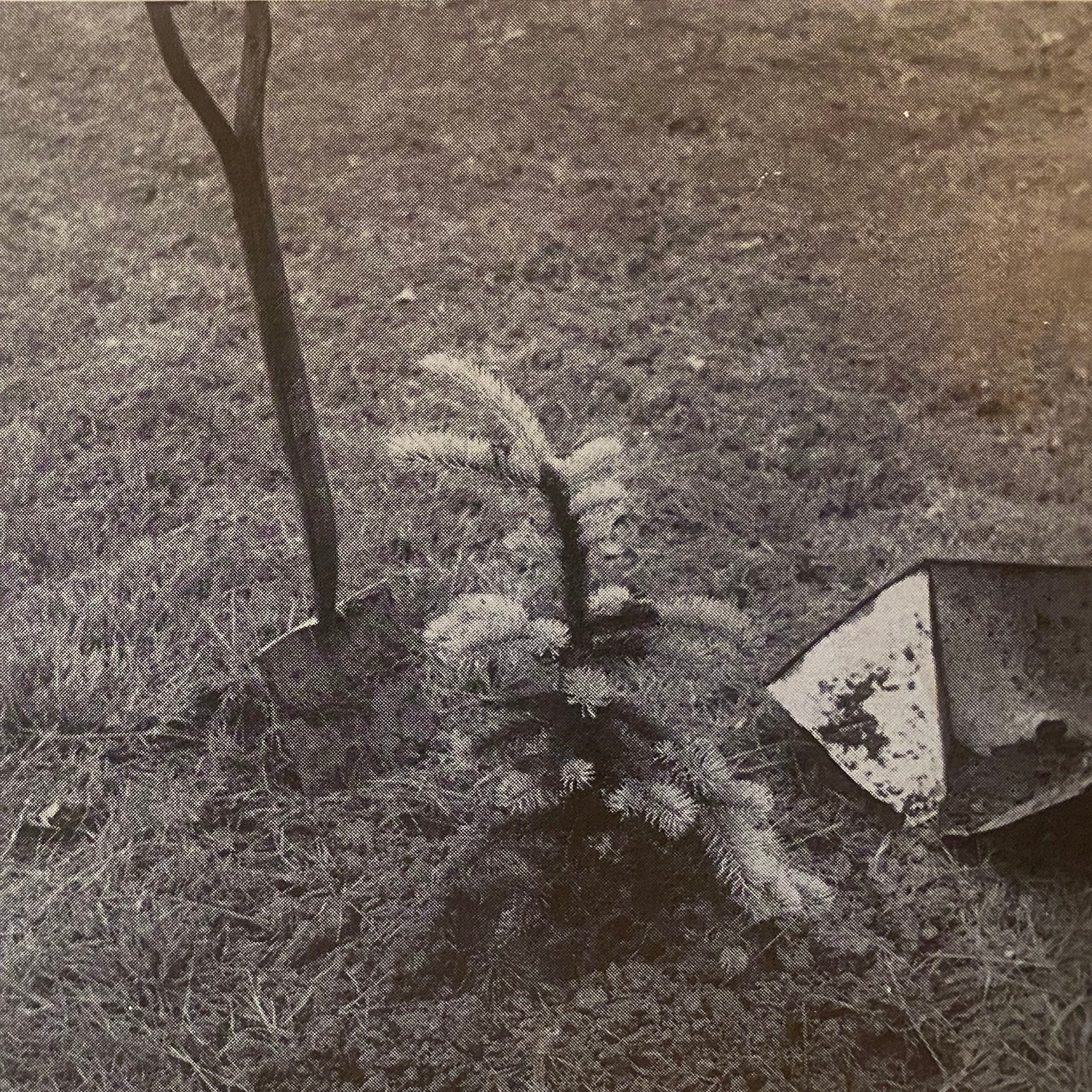
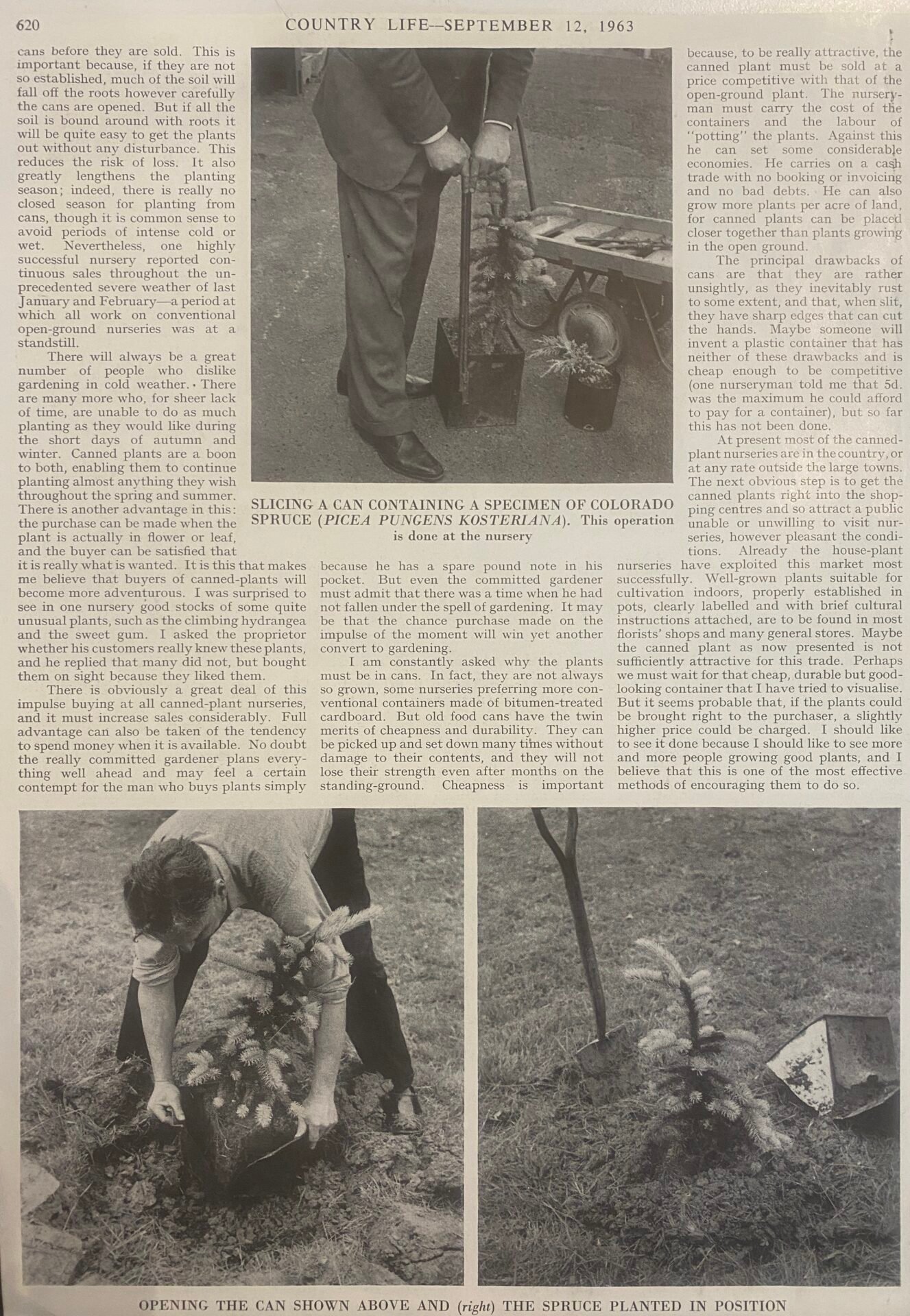
At present most of the canned-plant nurseries are in the provinces, and not yet at any rate outside the large towns. The next obvious step is to get the canned plants right into the shopping centres and so attract a public who find anything to visit nurseries, however pleasant the conditions. Already the house-plant nurseries have exploited this market most successfully. Well-grown plants suitable for cultivation indoors, properly established in pots, clearly labelled, and with brief cultural instructions attached, are to be found in most florists’ shops and many stores.
Maybe the canned plant as now presented is not suitable for this type of sale. Perhaps we must wait for that cheap, durable but good-looking container that I have visualised. But it seems probable that, if the plants can be brought right to the purchaser, a slightly higher price could be charged. I should like to see it done because I should like to see more people growing good plants, and I believe that this is one of the most effective methods of encouraging them to do so.
Source: Country Life — September 12, 1963.
The Canned-Plant Nursery: by A.G.L Hellyer