
Securing & Training
The nuts and bolts of it all
How to Correctly Secure Your Tree
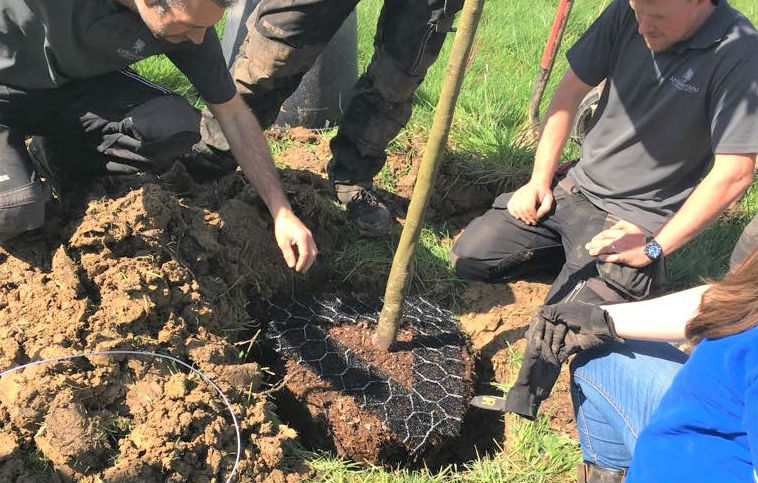
You’ll notice a difference between plants grown in a field and those grown in a pot. Root-balled trees come from the field. When they’re dug up, the roots are wrapped in hessian, and a metal cage is used to secure the root ball. Over time, the hessian will break down and the roots will grow out into the surrounding soil. Container-grown trees tend to have larger, pot-shaped root balls.
Once a tree is planted, it’s important to ensure that it’s secured, so that it can root out and grow upright. There are a few methods that we use to harness trees into the ground (outlined below). How long should you keep the support in place? How long is a piece of string? It needs to be judged on a case-by-case basis. The tree itself will guide you by its growth, its stability when you shake it, etc. Contact us if you’re unsure.
Staking & Tree Tie Kits
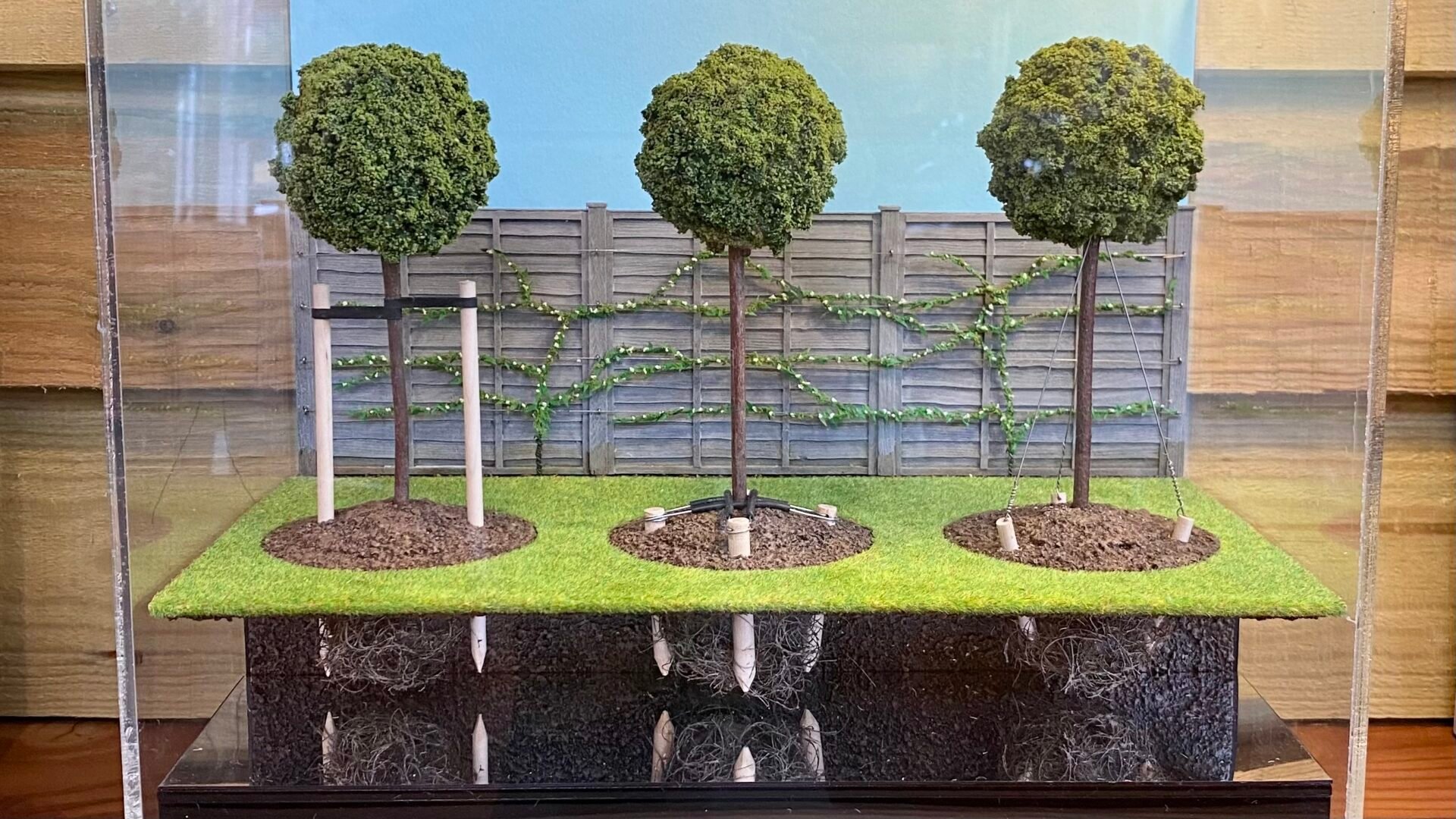
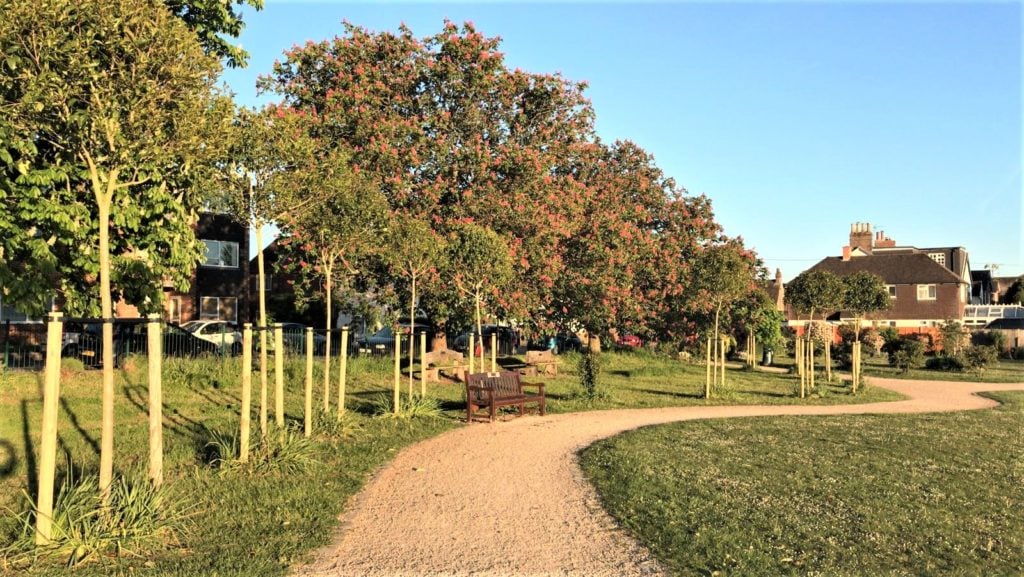
The number of stakes required is determined by the size of the tree. For smaller trees, we use one stake and one tree tie kit; larger trees will require two or three. The stake should be placed vertically – on the side of the prevailing wind – and secured in place with the tree tie kit supplied. When using two stakes, we like to plant in a line, so that the stakes hold the tree securely, but if you were to stand looking at the tree you wouldn’t see any deviation between the stake and the stem. Beware, though: this looks superb when done well, but awful when not.
Some stakes may need replacing if they are left in the ground long enough to rot, or if they’re on a particularly windy site.
AP Anchor Systems
This method works really well with root balls, and is especially useful in an area where it’s impossible to guy (e.g. there’s no surrounding ground in which to set stakes).
It also hides any sign of securing, as everything is below the ground. The Platypus method wraps itself around the root ball underground and holds it in place – just like the anchor of a boat.
We prefer to guy or stake, so we only use Platypus about 5% of the time, when conventional methods aren’t possible due to site conditions.
How to Secure and Straighten a Tree by Guying
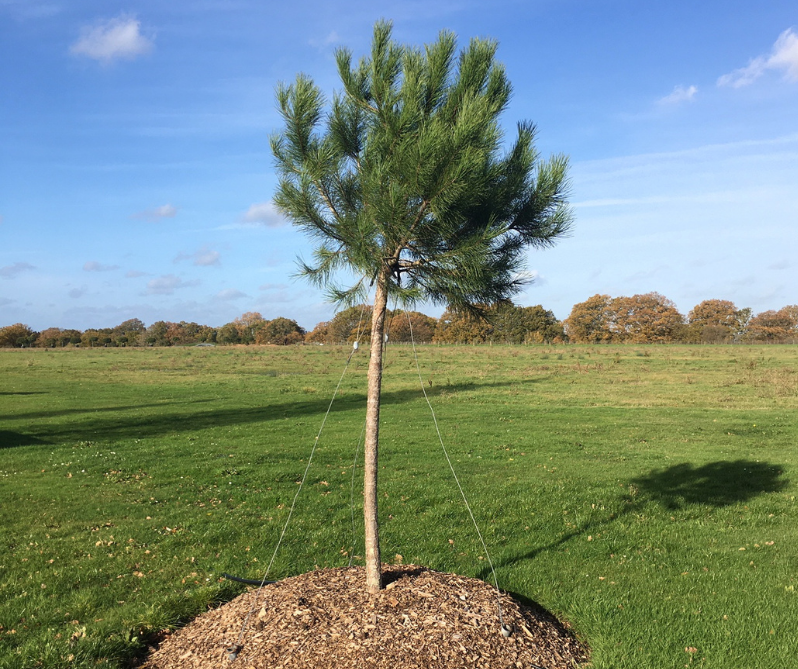
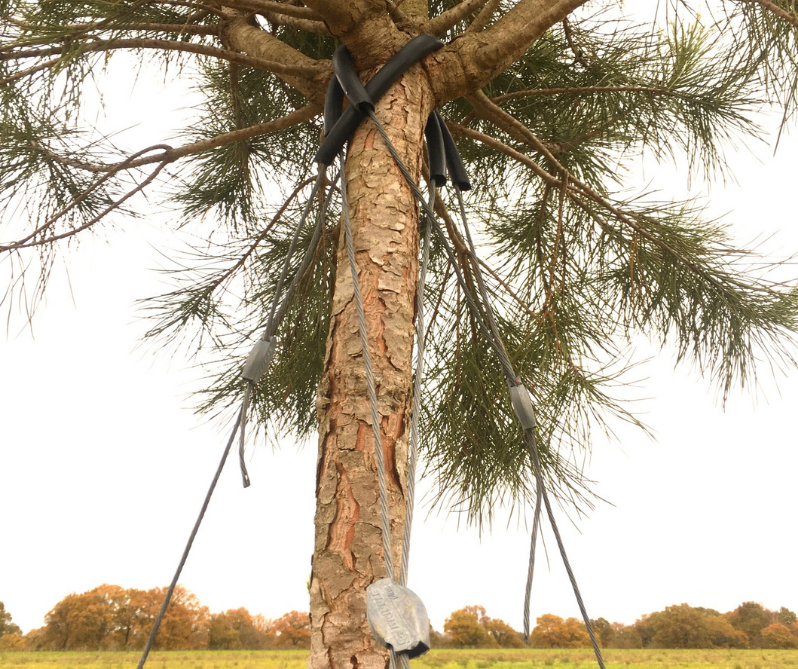
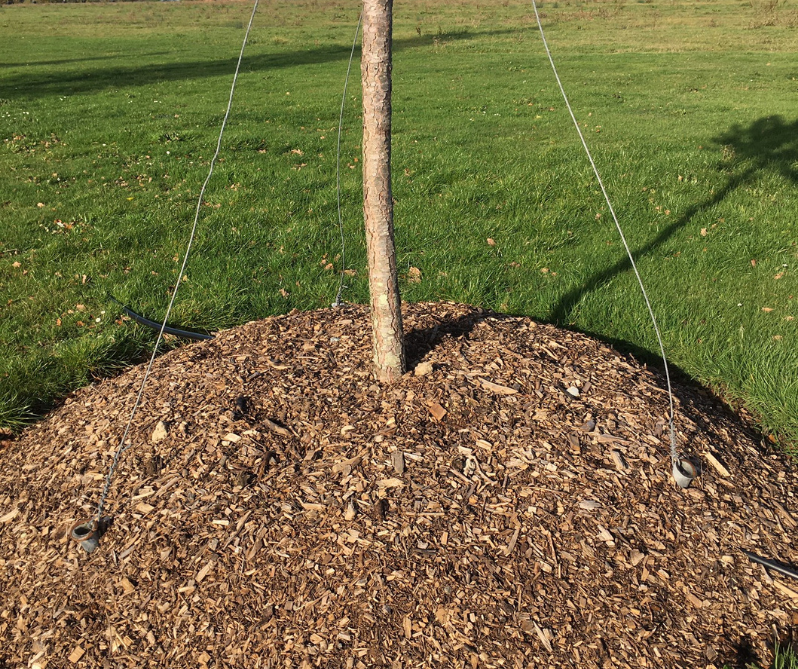
There are lots of examples of guyed trees on the nursery. We developed this method specifically for Pinus pinea, because they’re very top heavy. Stakes are used as pegs (like you see on a tent), whacked into the ground at an angle. Then, wire is used to hold the tree in place. Where the wire meets the stem, it’s wrapped with rubber protection. Two or three guy points are recommended.
Training Your Tree
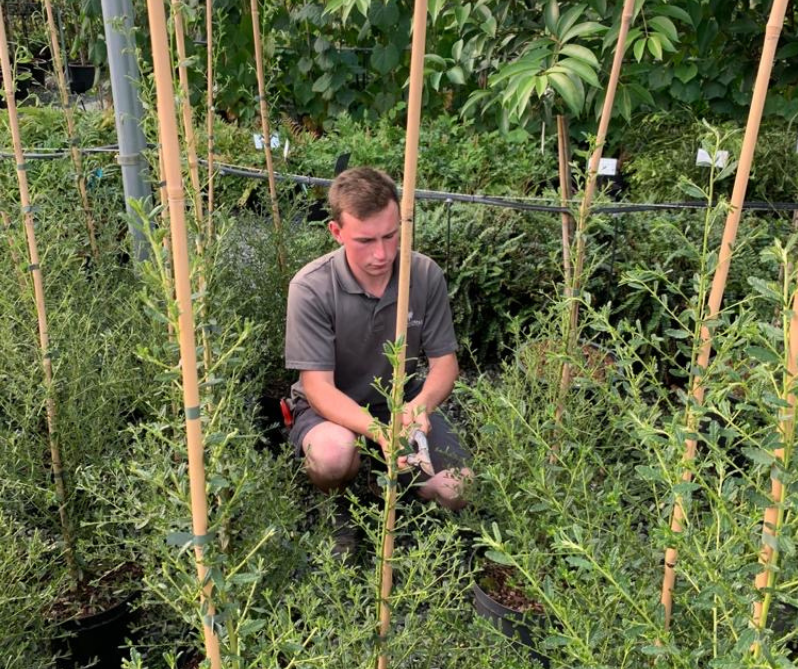
Caning & Tying
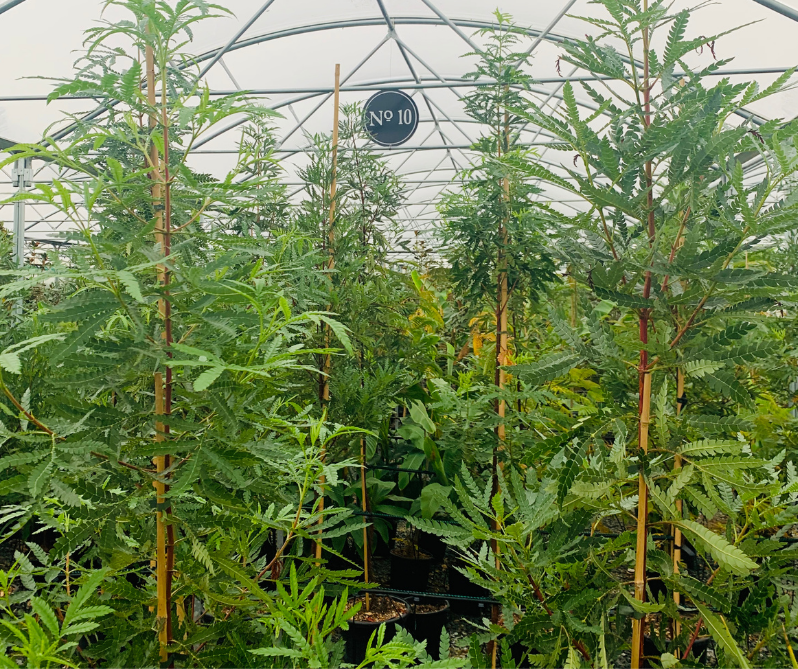
The use of a cane to support a tree’s growth is important. It gives you somewhere to tie on and train the new growth. Lots of plants require cutting back regularly, especially if they’re fast growing. Cutting back slows growth down and hardens it so that, over time, it’ll become stronger, more stable and self-reliant. In terms of the type of cane, we’ve always been big fans of bamboo.
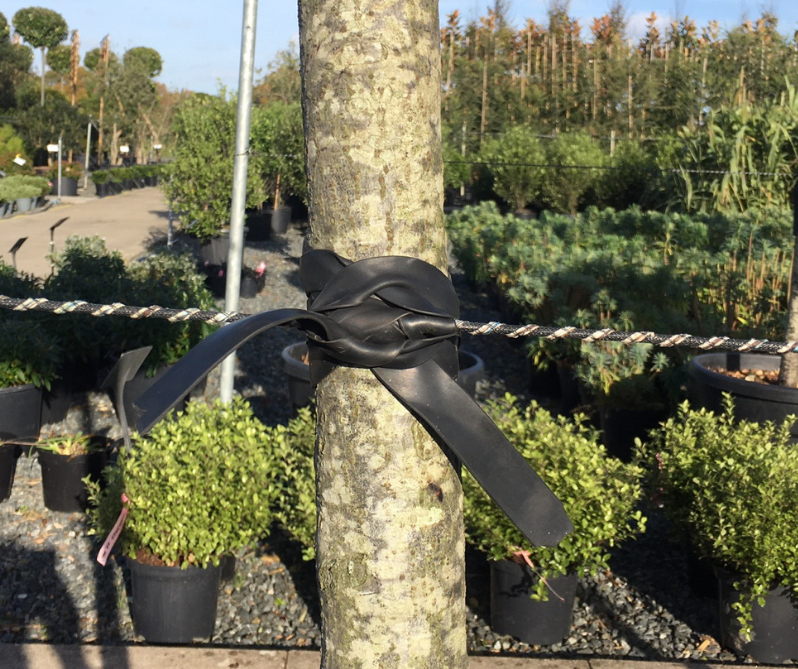
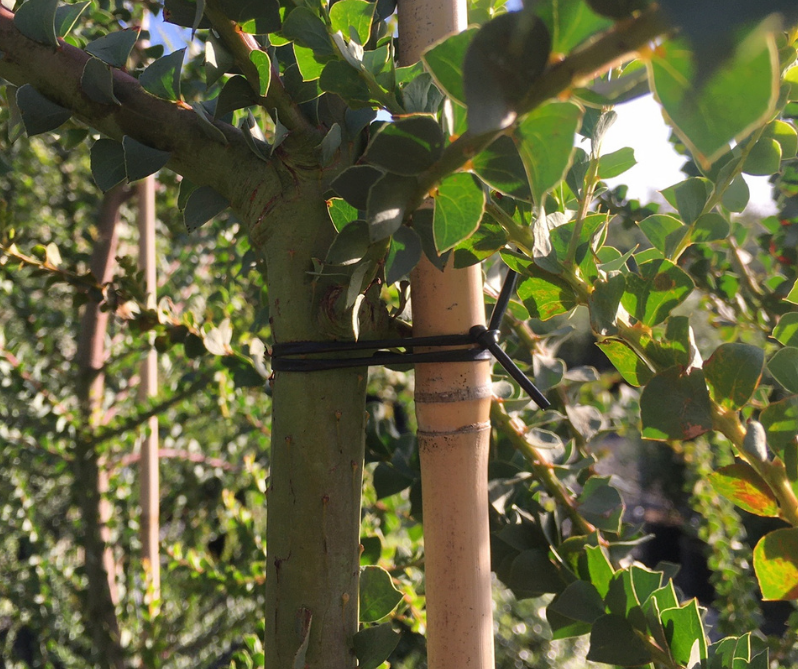
For tying we use a rubber product. We call it ‘spaghetti’. It’s a flexible and soft material, which doesn’t damage the plant. It’s important that when tying anything to a plant you allow room for growth, so that it doesn’t cause the plant any problems as it develops.