Screening Special
A Guide to Creating Natural Privacy with Plants
It’s the question we’re asked more than any other:
“Do you sell screening plants?”
Short answer — yes.
Long answer — absolutely yes, and we love nothing more than jumping onto the nearest pot to explain how we do it better than anyone else.
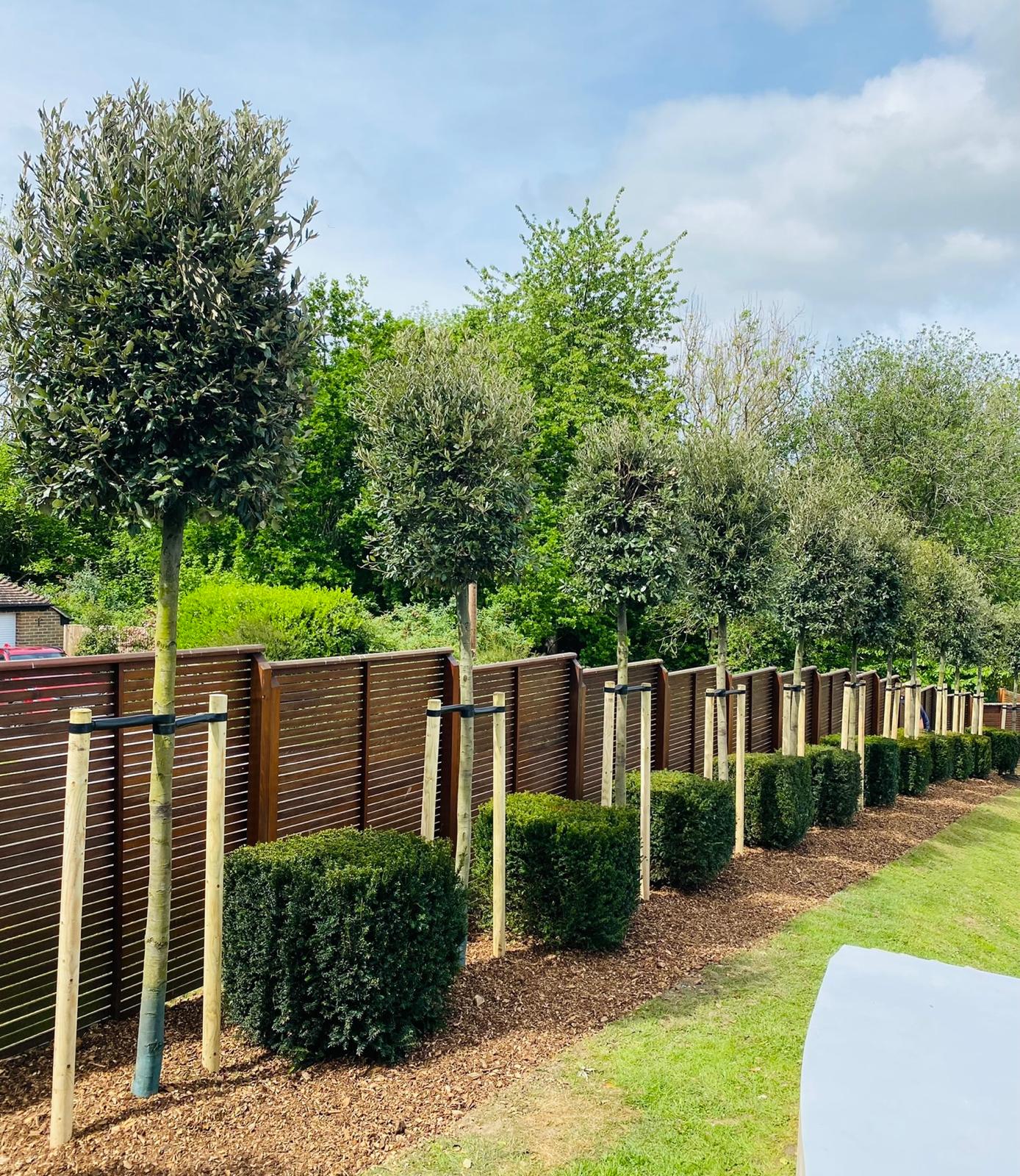
1. Practical Considerations for Choosing Screening Plants
Before you pick a plant, consider what you’re trying to achieve. Screening is never one-size-fits-all. Start by thinking about:
- Purpose: Are you looking for privacy from neighbours, protection from wind, a buffer against noise, or just to add visual depth?
- Site Conditions: What’s the soil like? Is it sunny, shady, or exposed? What kind of drainage do you have?
- Maintenance Level: Some options need annual shaping. Others can be left to grow more naturally.
- Speed of Growth: Do you need an instant result, or are you planning for the long term?
- Local Restrictions: Planning rules, height limits, and tree preservation orders can all influence your choice.
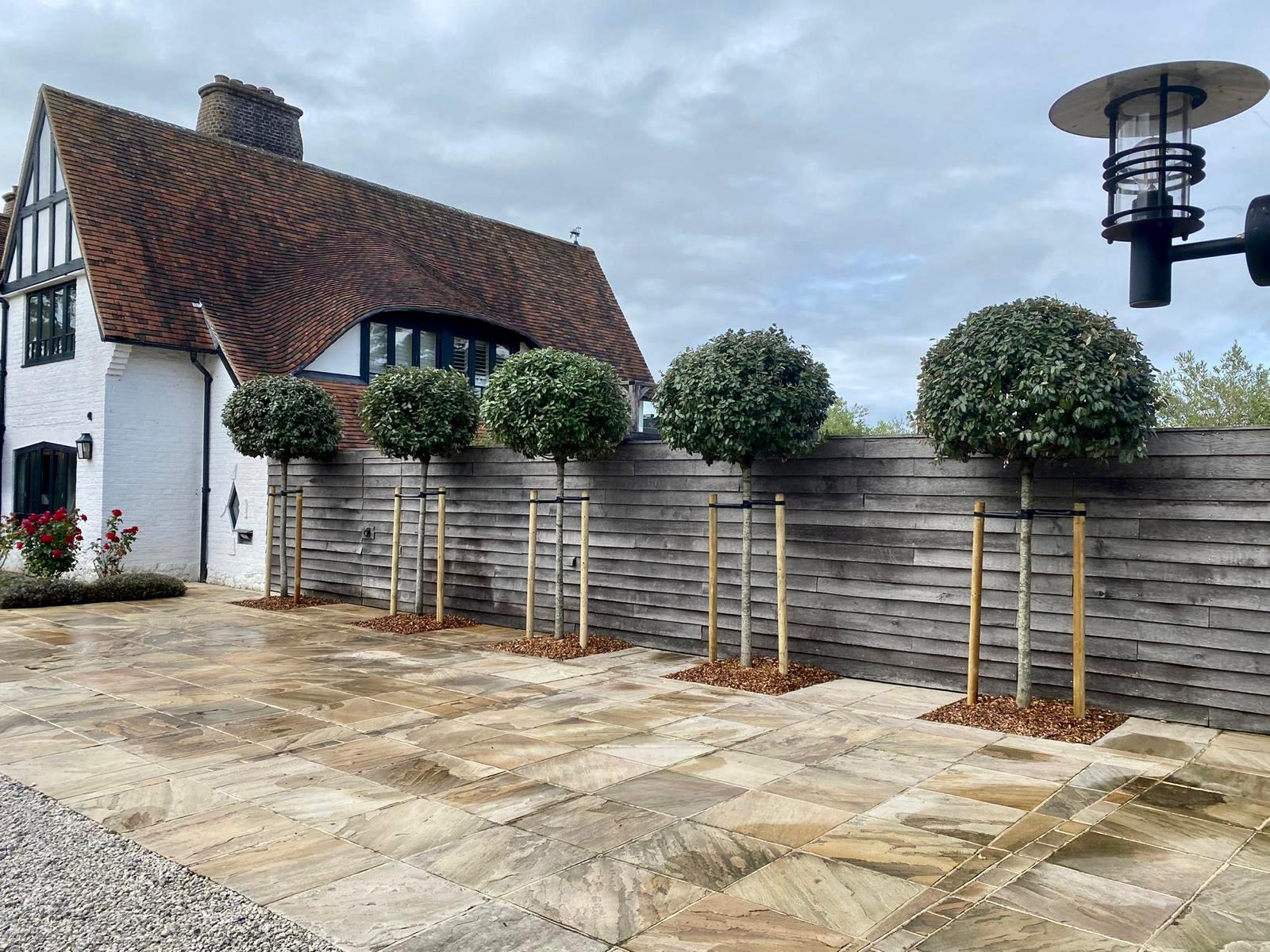
3. Key Forms of Screening Plants
We offer a wide variety of plant forms to suit different types of screening:
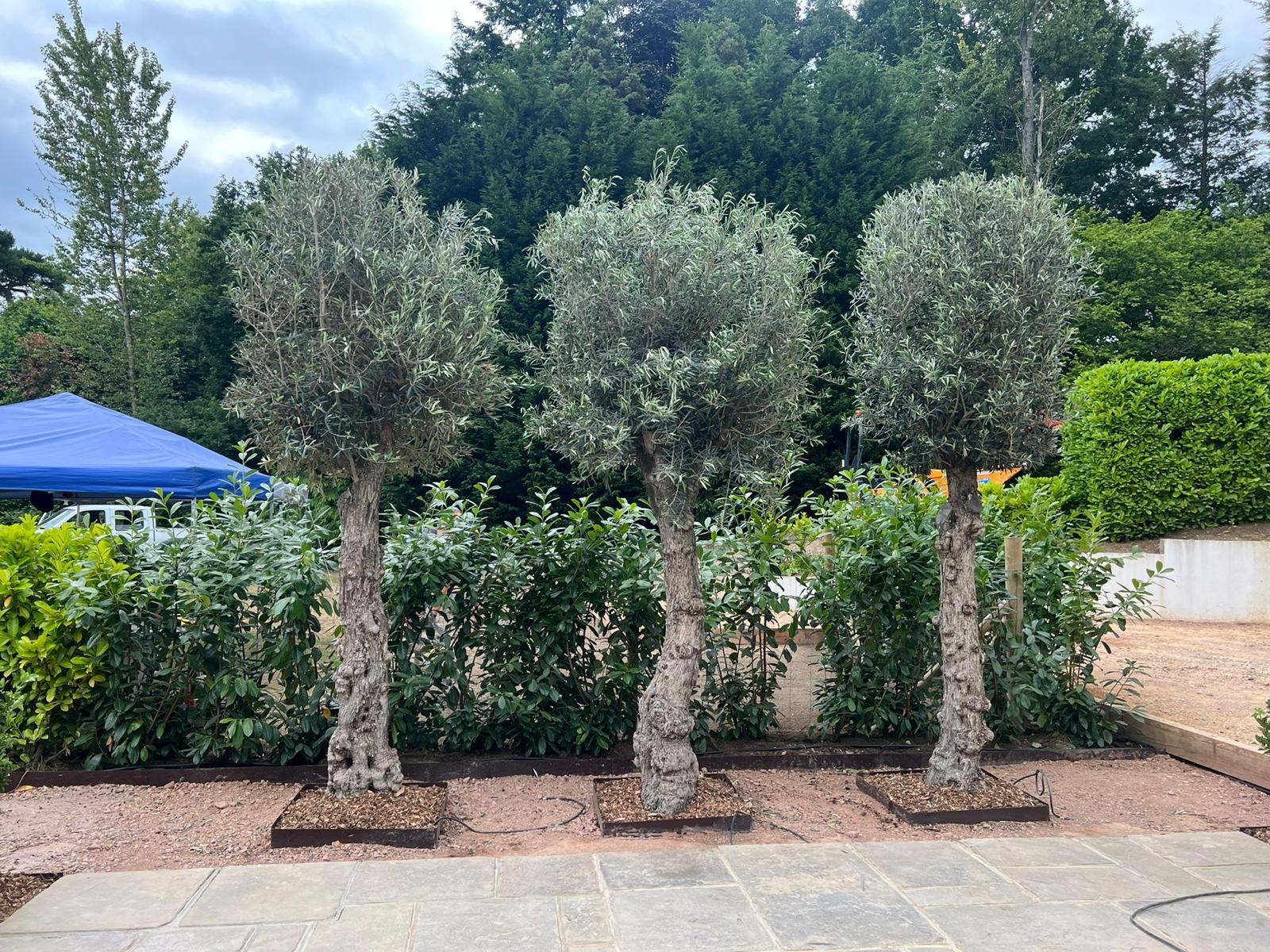
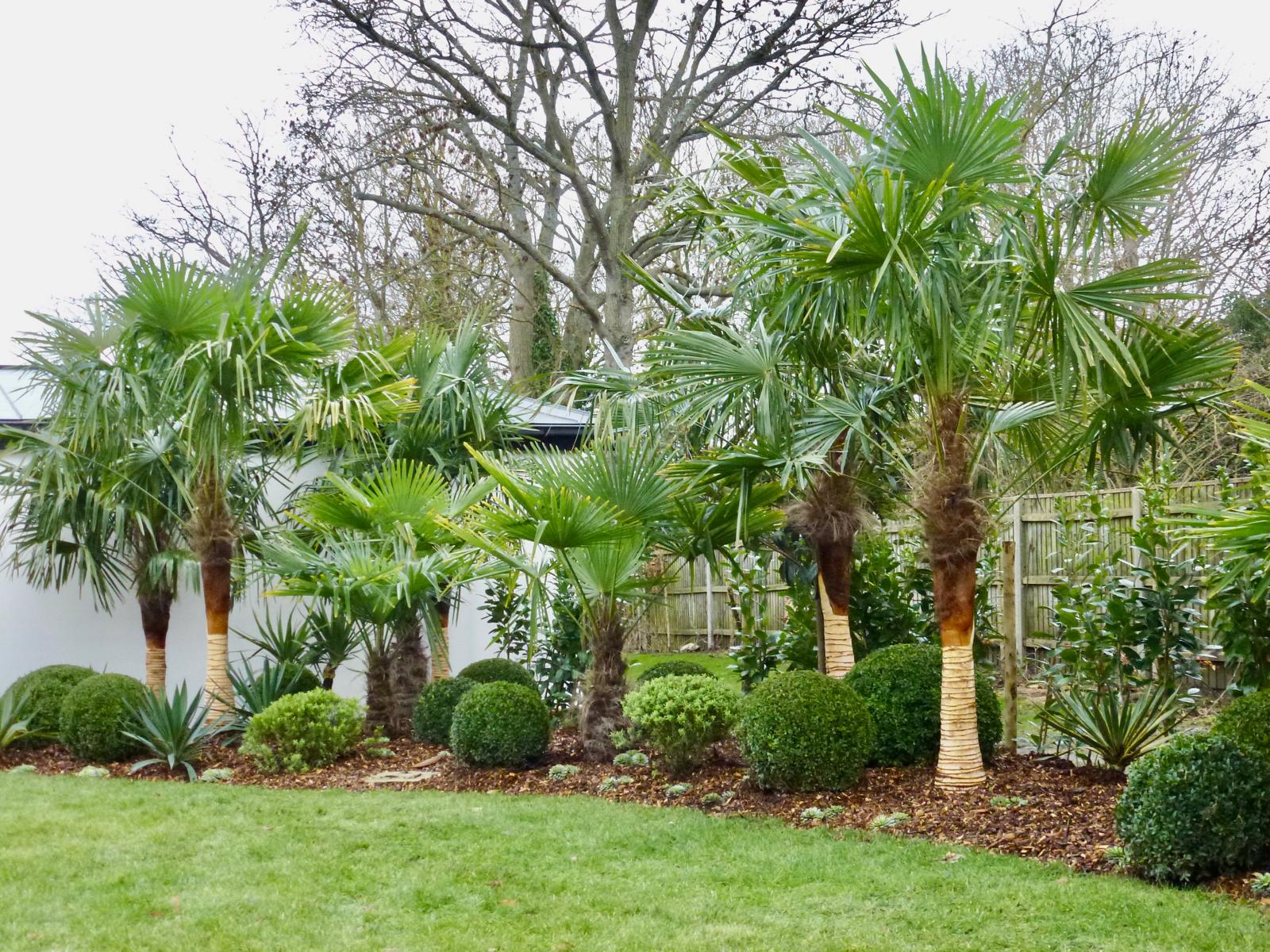
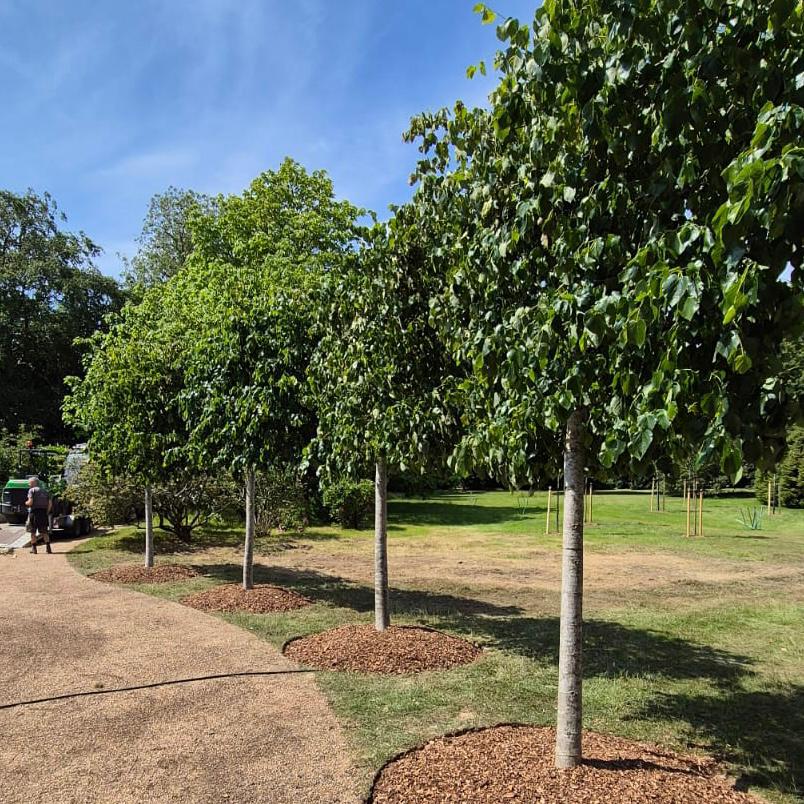
- Multi-Stem Trees: Sculptural and architectural, these can screen without blocking light — great in modern gardens.
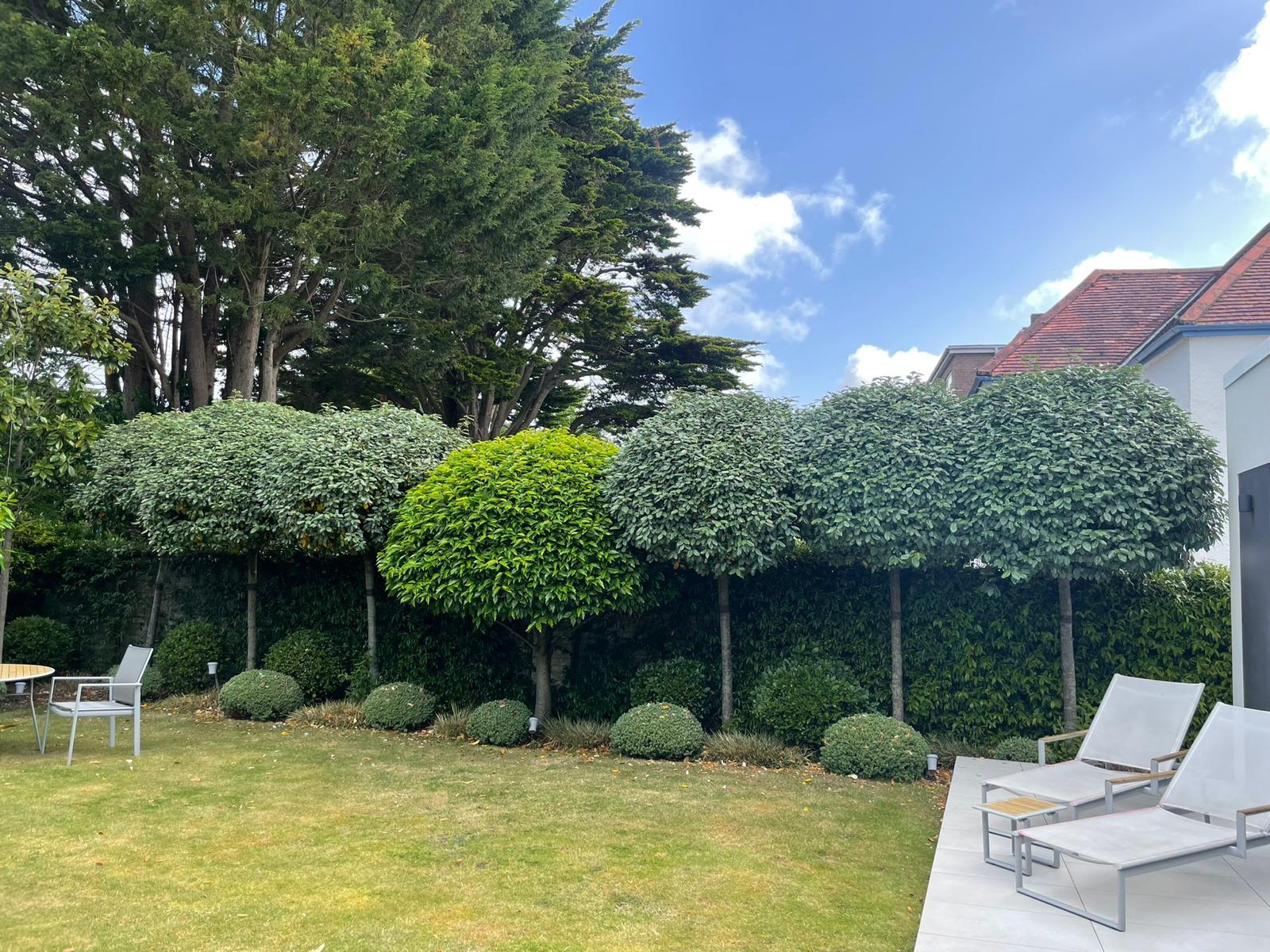
- Loose Standard Trees: Natural, airy trees with a clear stem — great for informal gardens.
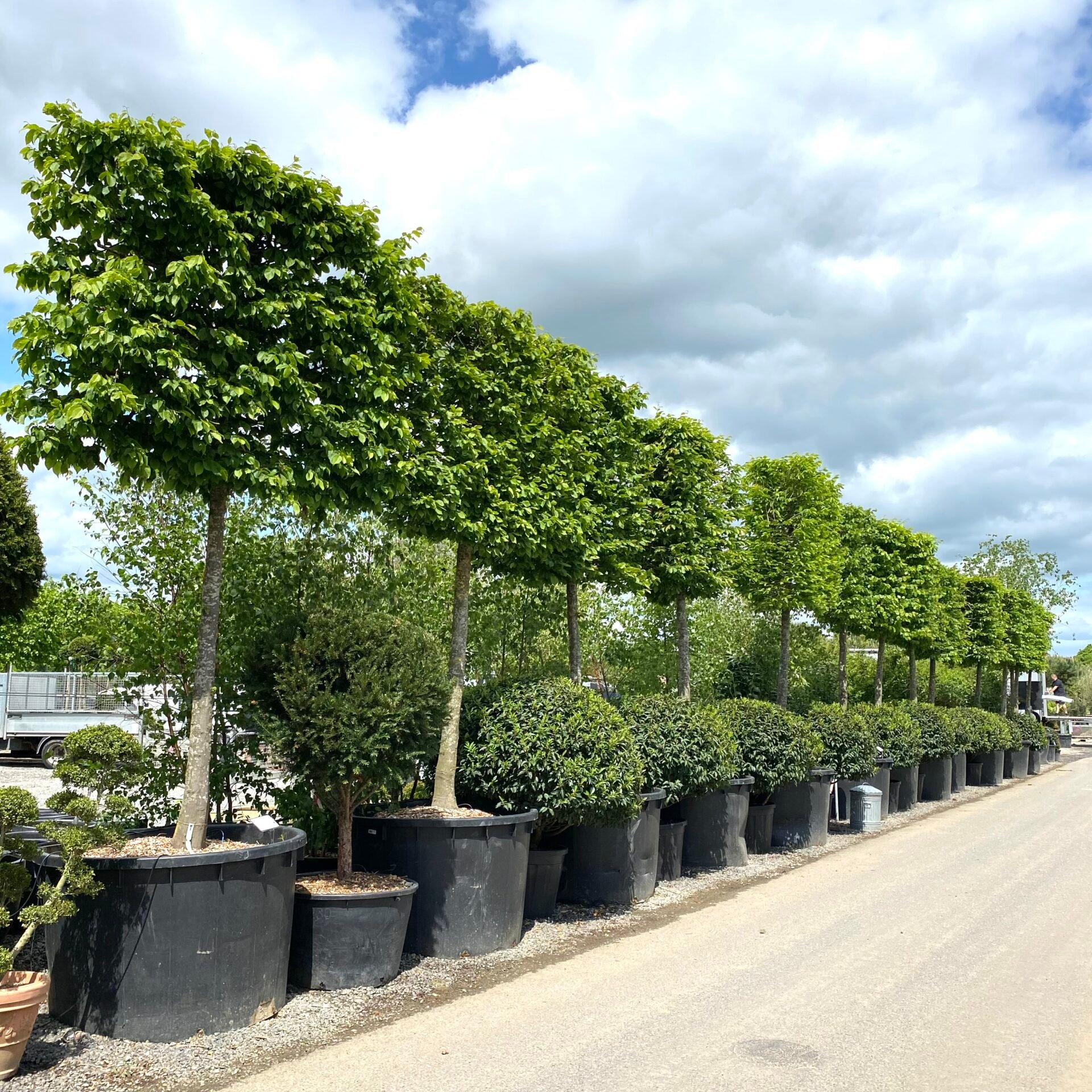
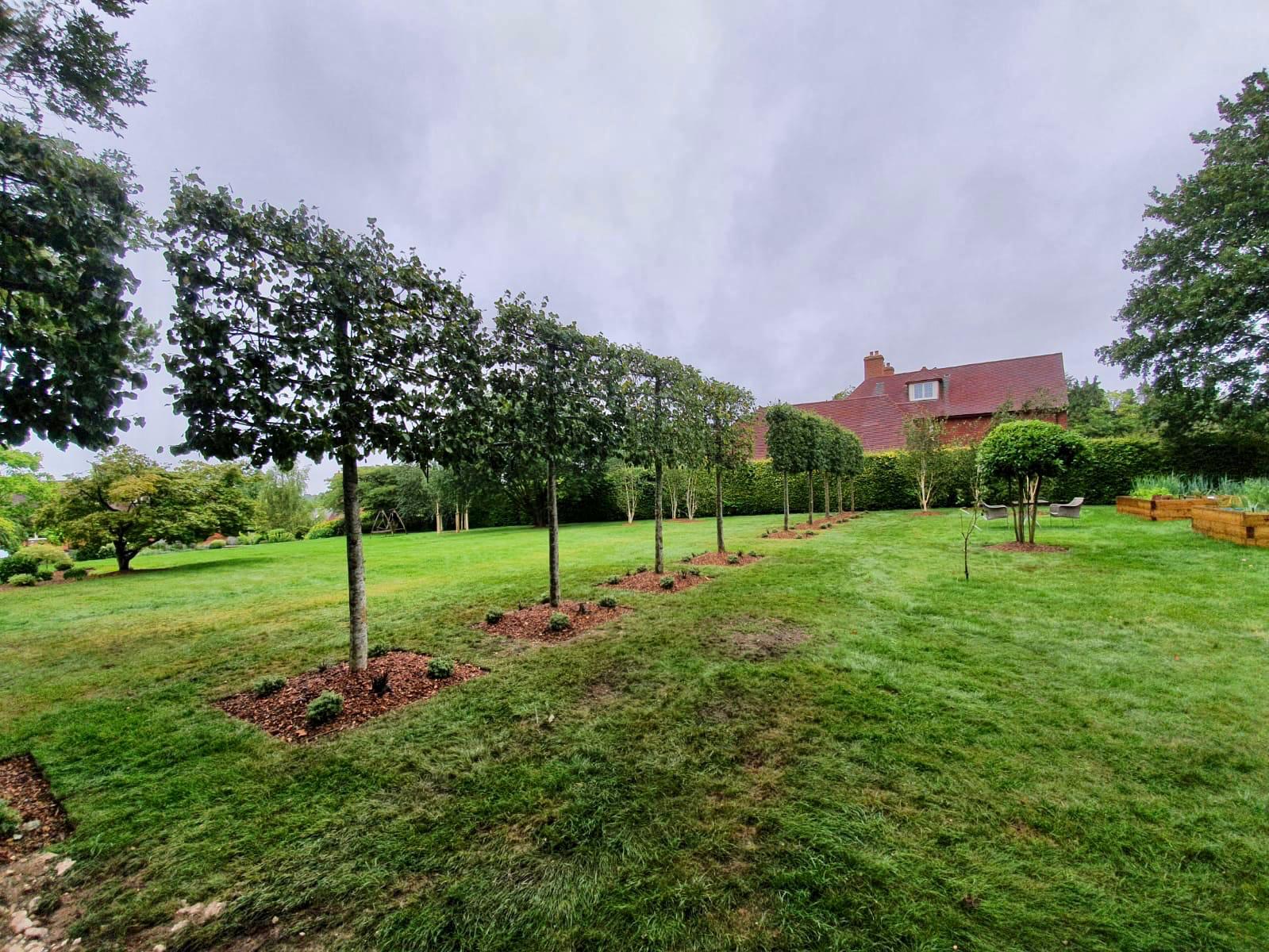
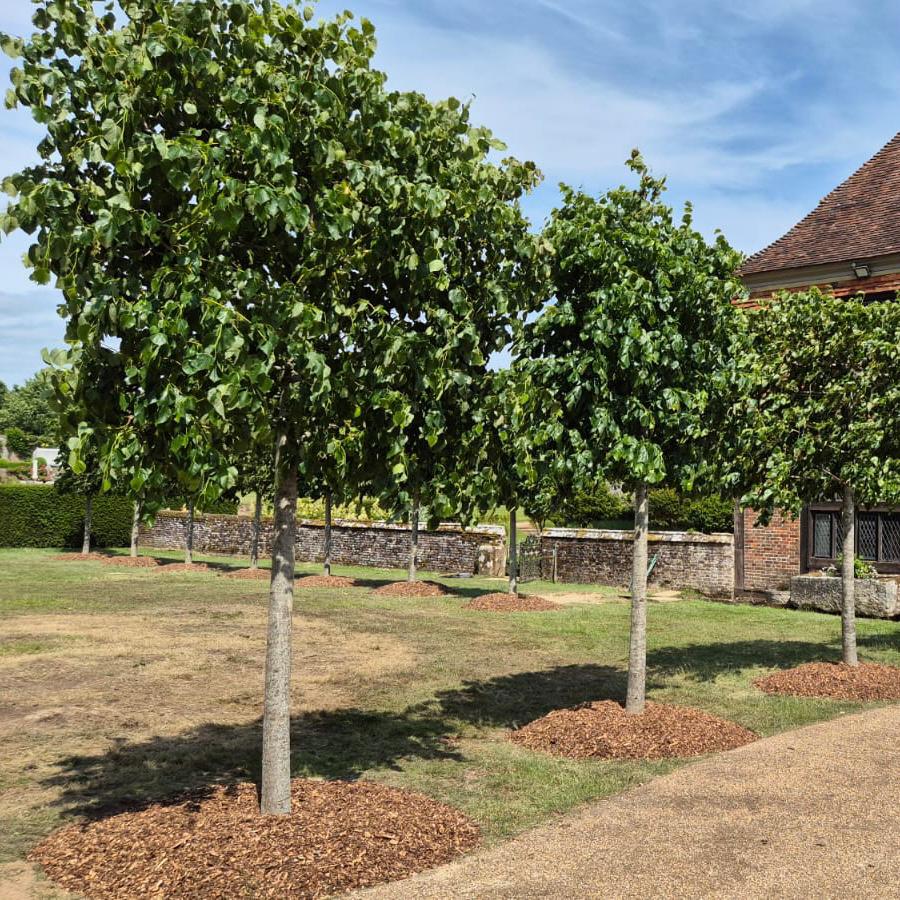
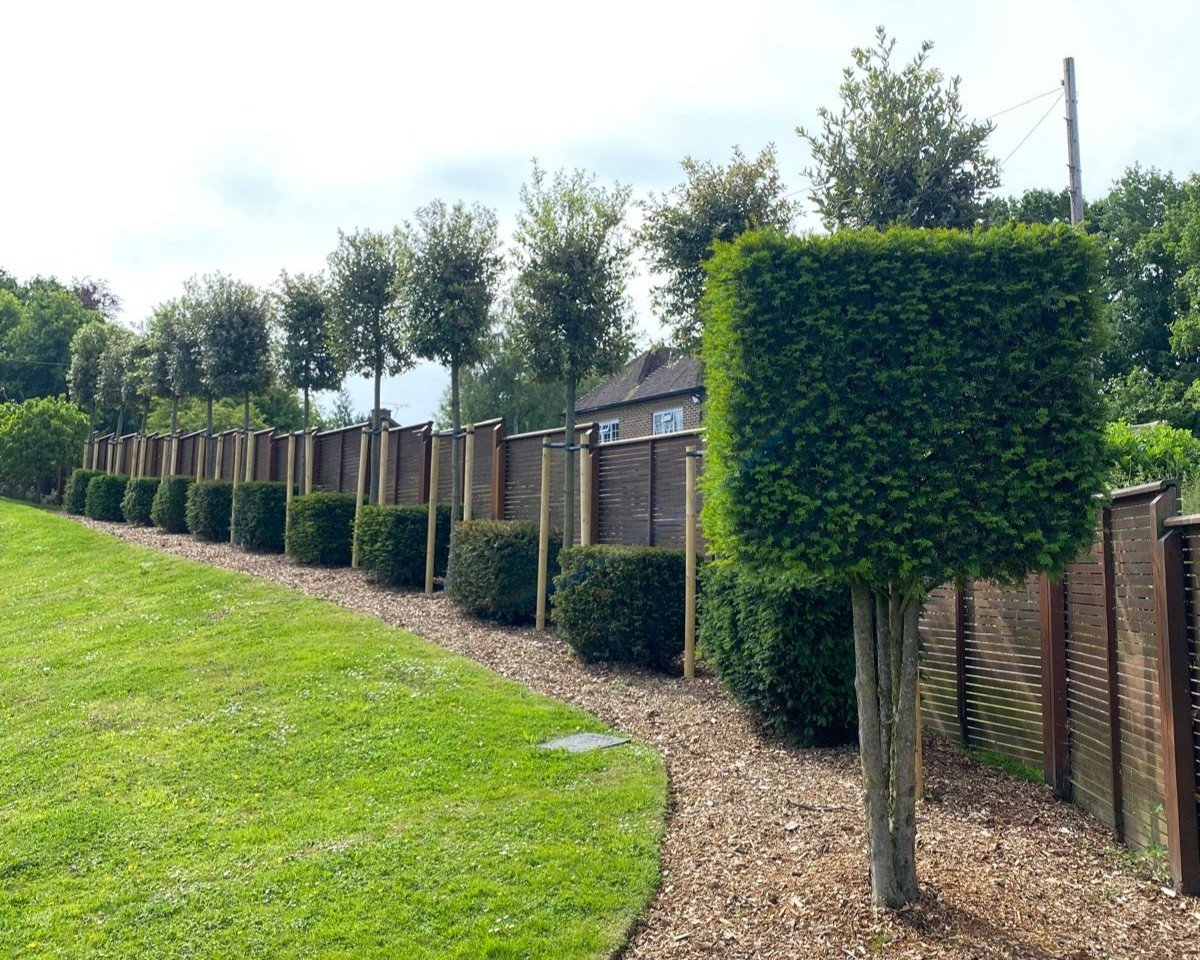
- Pleached Trees: Flat-sided, trained trees that provide structured screening without taking up depth. Ideal for narrow beds or courtyards.
- Espalier Trees: Grown flat against a wall or frame — perfect for decorative boundary planting.
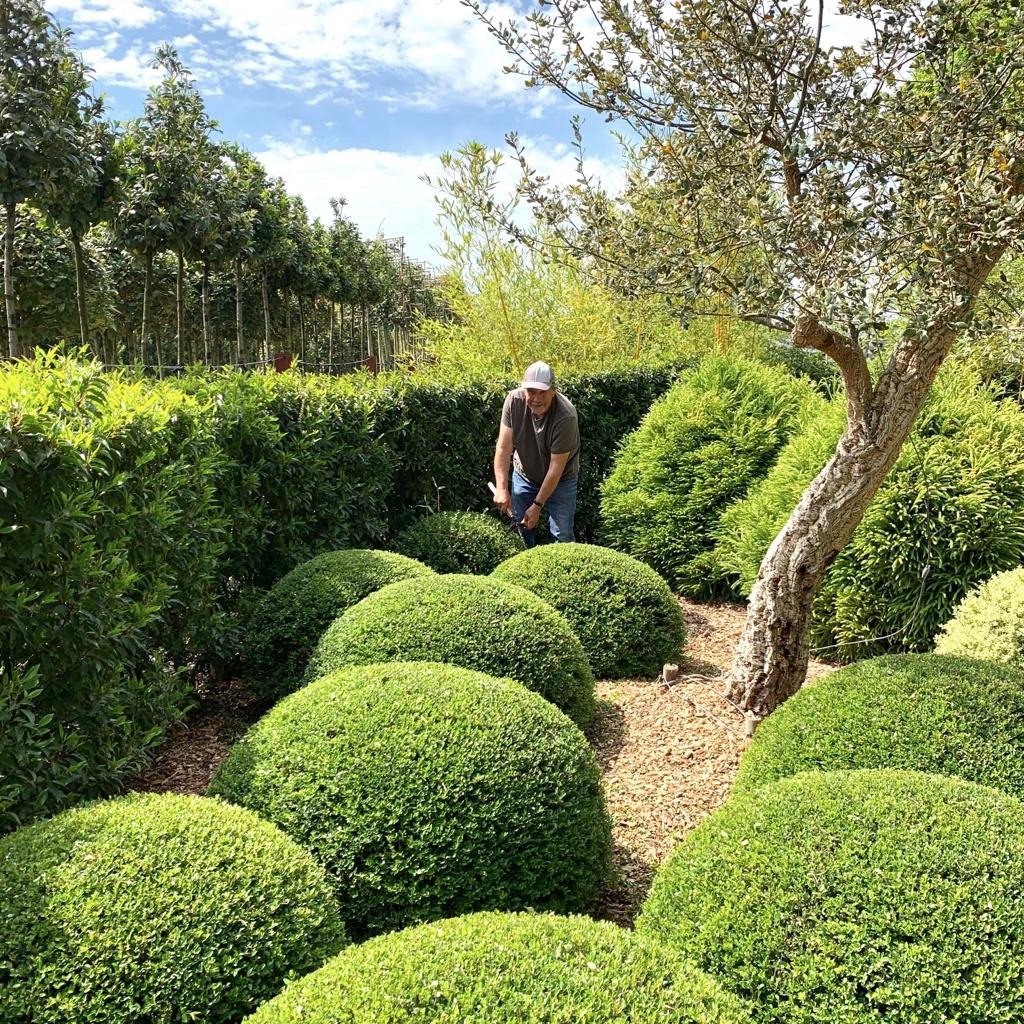
- Hedging: Dense and continuous, either evergreen or deciduous. A classic, versatile choice.
At Architectural Plants, around 90% of our customers are looking for some form of screening — whether it’s to block a view, create a sense of seclusion, or soften the edges of a garden. From instant impact trees to finely trained pleached forms, we have options to suit every garden and every level of privacy.
This guide will walk you through some of the most popular choices, practical tips, and our own approach to designing natural screens that are both functional and beautiful.
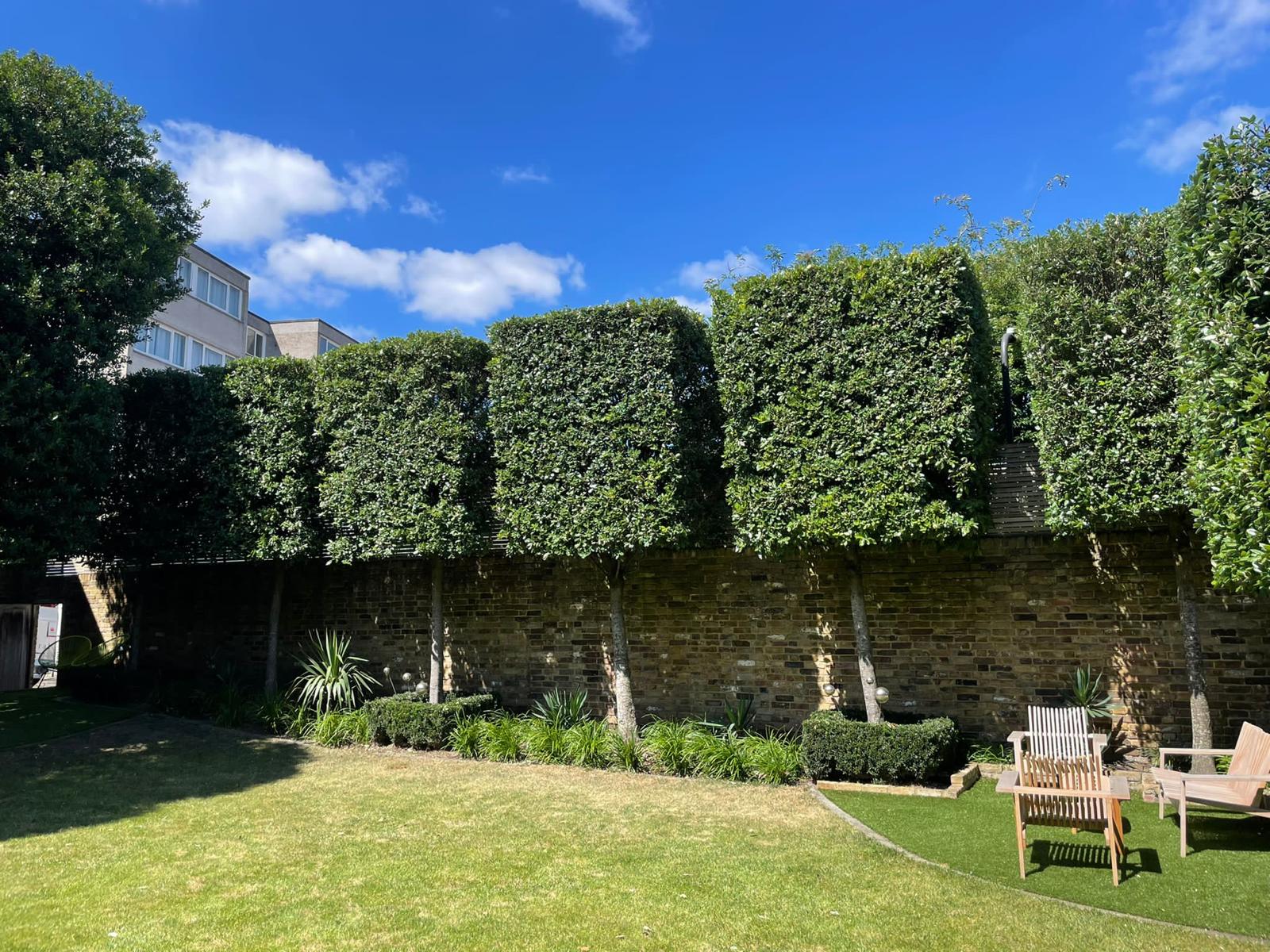
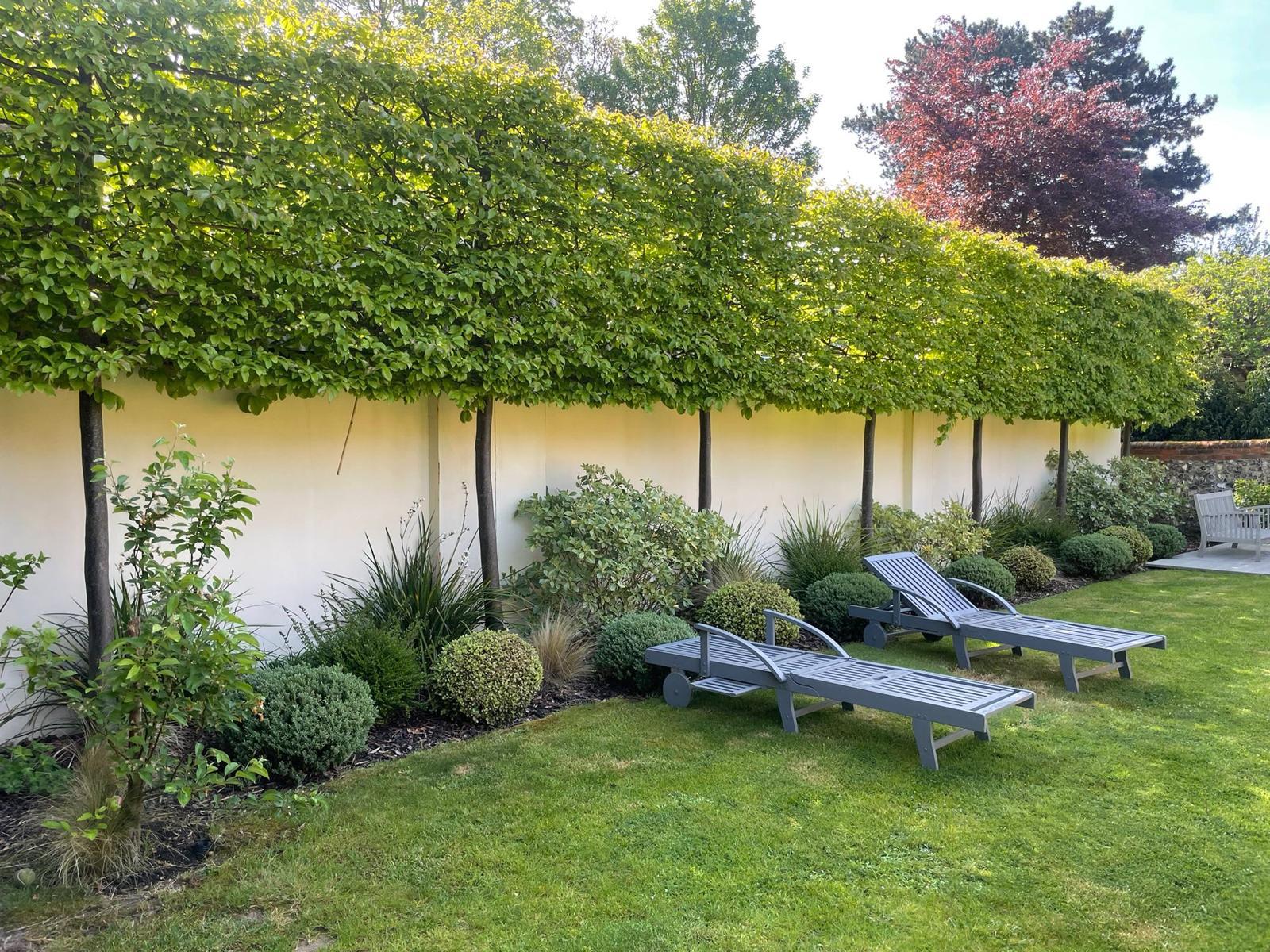
2. Common Height Requirements
Screening heights typically fall into a few categories:
- Tall screening (3.5m+): Often needed in larger gardens or rural settings for wind protection or blocking distant views.
- Eye-level screening (1.5–2m): For low-level privacy and patio boundaries.
- Above-fence height (2–3.5m): The sweet spot for screening between neighbours.
4. Transport and Nursery Care for Screening Trees
Large screening trees often come from specialist growers in Europe and require careful handling. At our nursery, we take pride in ensuring:
- Trees are transported safely and acclimatised to UK conditions.
- Root balls are protected, watered, and stored properly on arrival.
- We only plant when conditions are right — ensuring the best chance of success.
6. Top Evergreen Screening Plants
Evergreens are the go-to for year-round privacy. Some of our favourites:
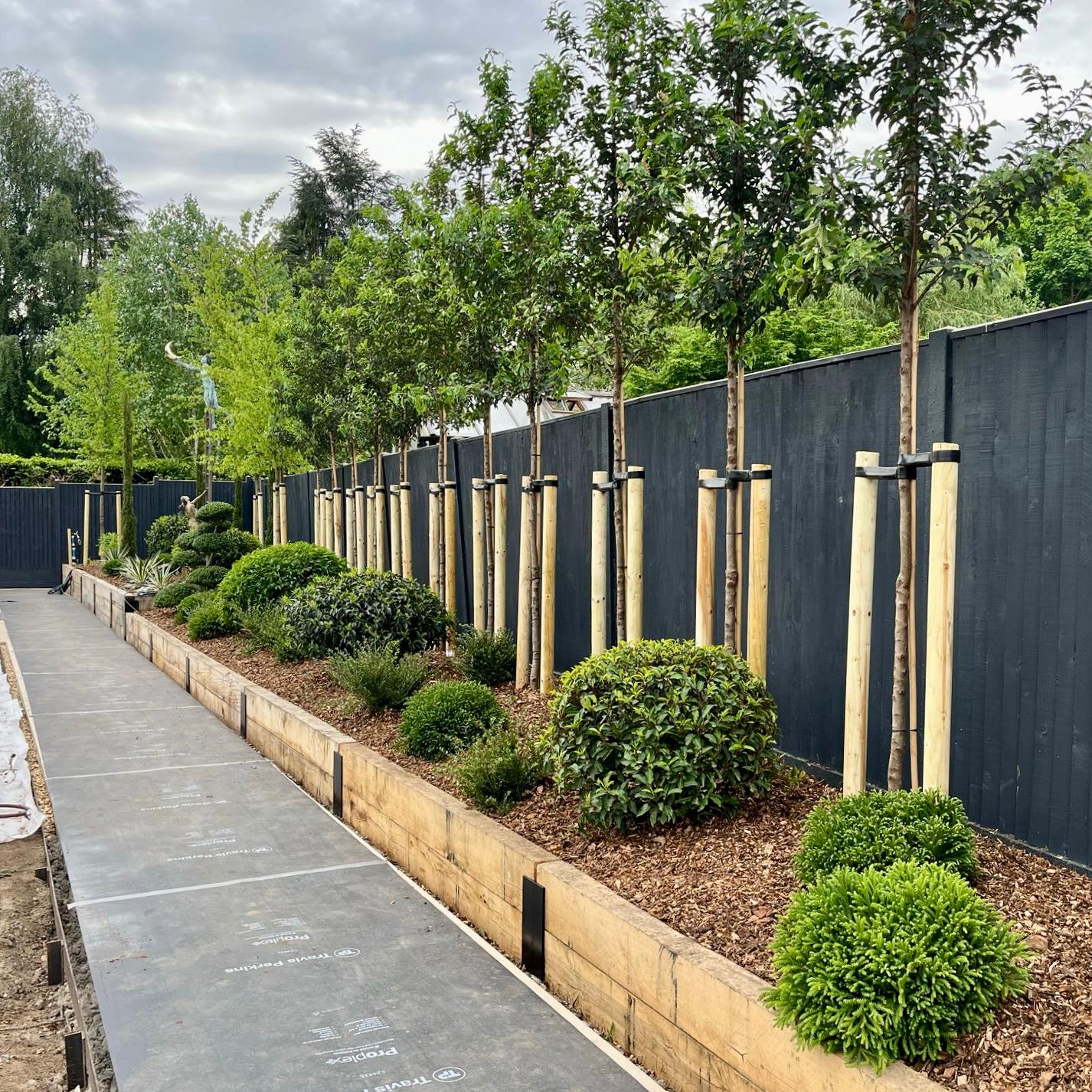
- Elaeagnus × ebbingei: Tough, fast, and silvery-green — ideal for pleaching.
- Photinia × fraseri ‘Red Robin’: Vibrant red new growth adds colour to a hedge.
- Prunus lusitanica (Portuguese Laurel): Elegant, dark-leaved classic.
- Quercus ilex (Holm Oak): A native evergreen oak with serious presence.
- Magnolia grandiflora: Glossy leaves and fragrant flowers. A star outside the office.
Advantages: Instant coverage, all-year foliage, shelter from wind, and consistent structure.
5. Why So Many People Need Screening
The demand for screening has only grown in recent years. Here’s why:
- Natural Boundaries: Hedges offer a softer, more beautiful alternative to fencing.
- Revitalising Social Spaces Post-COVID: Outdoor dining and relaxation areas need privacy and shelter.
- Creating “Outdoor Rooms”: Dividing gardens into zones for different uses adds depth and structure.
- New Build Gardens: Many modern developments have small, overlooked plots.
7. Deciduous Options for Seasonal Screening
While not evergreen, these plants shine through seasonal changes:
- Carpinus betulus (Hornbeam): Holds its copper leaves through winter. Excellent for formal hedging.
- Fagus sylvatica (Beech): Similar to hornbeam, with slightly more vibrant autumn colour.
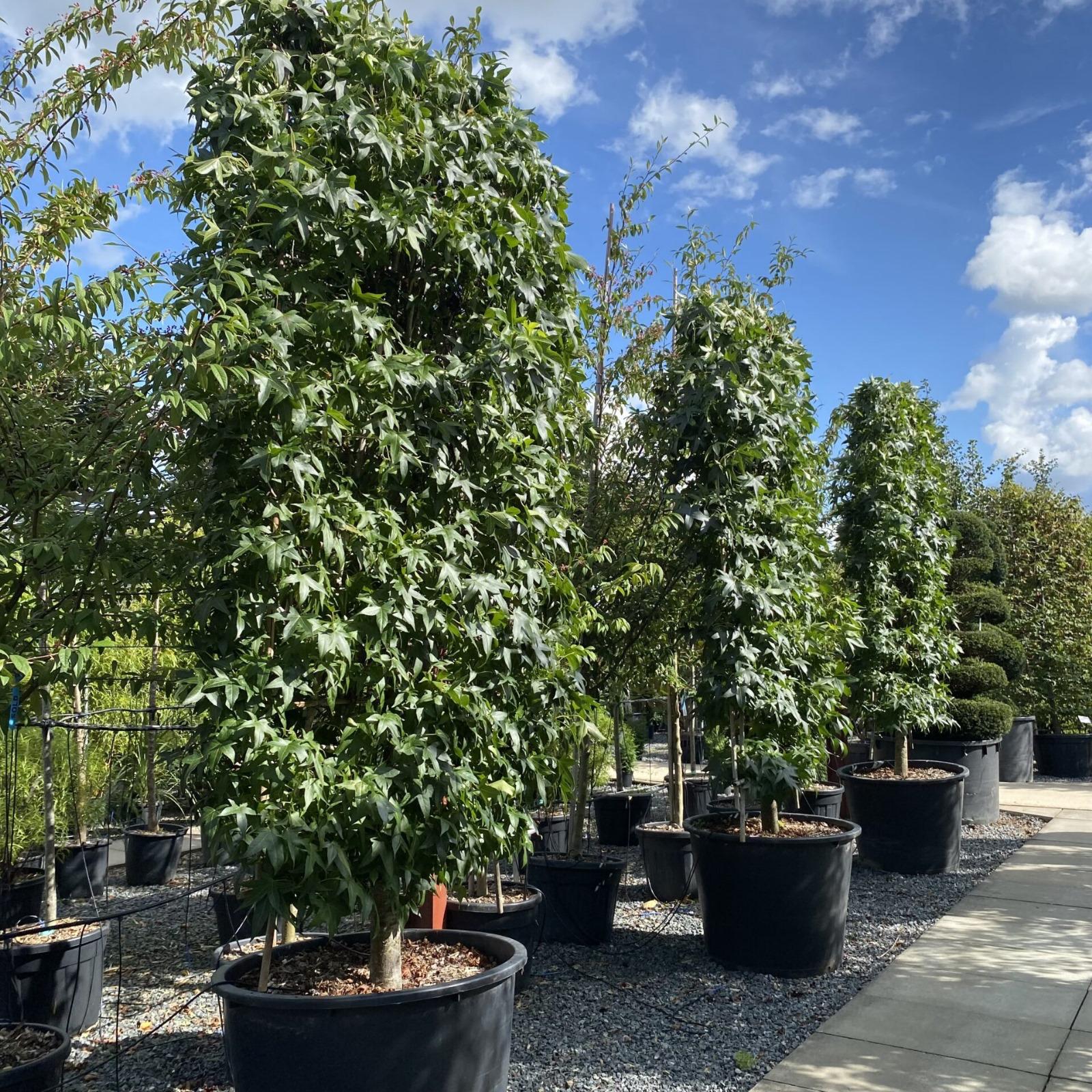
- Liquidambar styraciflua: Beautiful star-shaped leaves and fiery autumn tones.
- Amelanchier: Great for blossom and autumn colour in smaller spaces.
- Tilia (Lime): Tall and stately with excellent form.
Advantages: Lower cost, seasonal beauty, lighter feel in winter.
8. All-Year-Round Screening Solutions
For the best of both worlds:
- Combination Planting: Mix evergreen and deciduous species to create texture, depth, and long-term success.
- Semi-Evergreen Species: Plants like Pittosporum tenuifolium hold most of their leaves in mild winters, making them a flexible option.
Final Word: Come See for Yourself
Whether you need privacy for a small town garden or are redesigning a rural retreat, we’ve got the tools, knowledge, and plants to help. Come visit us and we’ll happily show you the options — possibly while perched on a pot of Elaeagnus. Better yet, bring photos of your space and we can recommend the right solution for you.
Book Your Visit
Come to the nursery for a closer look. Plants & trees of every shape, size & variety imaginable. Pulborough – West Sussex.
Choose The Right Visit For You:
- Explore & Shop On Your Own
- Explore & Get Advice As You Shop
Book your visit online: https://bit.ly/3id7HR9
Or contact us: 01798 879213 / [email protected]